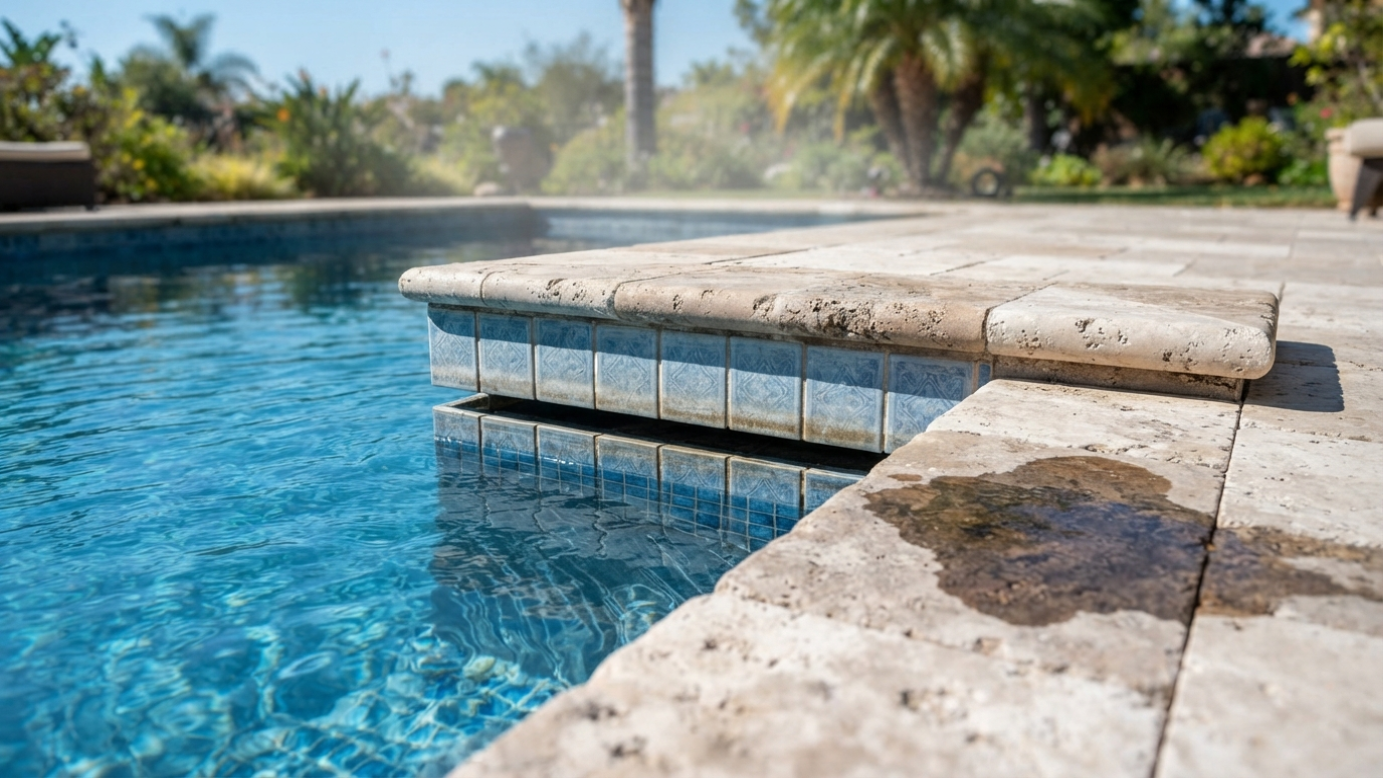
Signs Your Pool Equipment Has a Hidden Leak: Pumps, Filters, Valves, and Plumbing Issues
When a swimming pool starts losing water, many homeowners immediately look for a crack in the pool shell.
But the source may be somewhere else entirely.
Pumps, filters, valves, fittings, and underground plumbing can all develop leaks. Some only lose water while the circulation system is running, and in Las Vegas, small amounts of water around an equipment pad can evaporate before an obvious puddle ever forms.
That makes changes in equipment behavior especially important to notice.
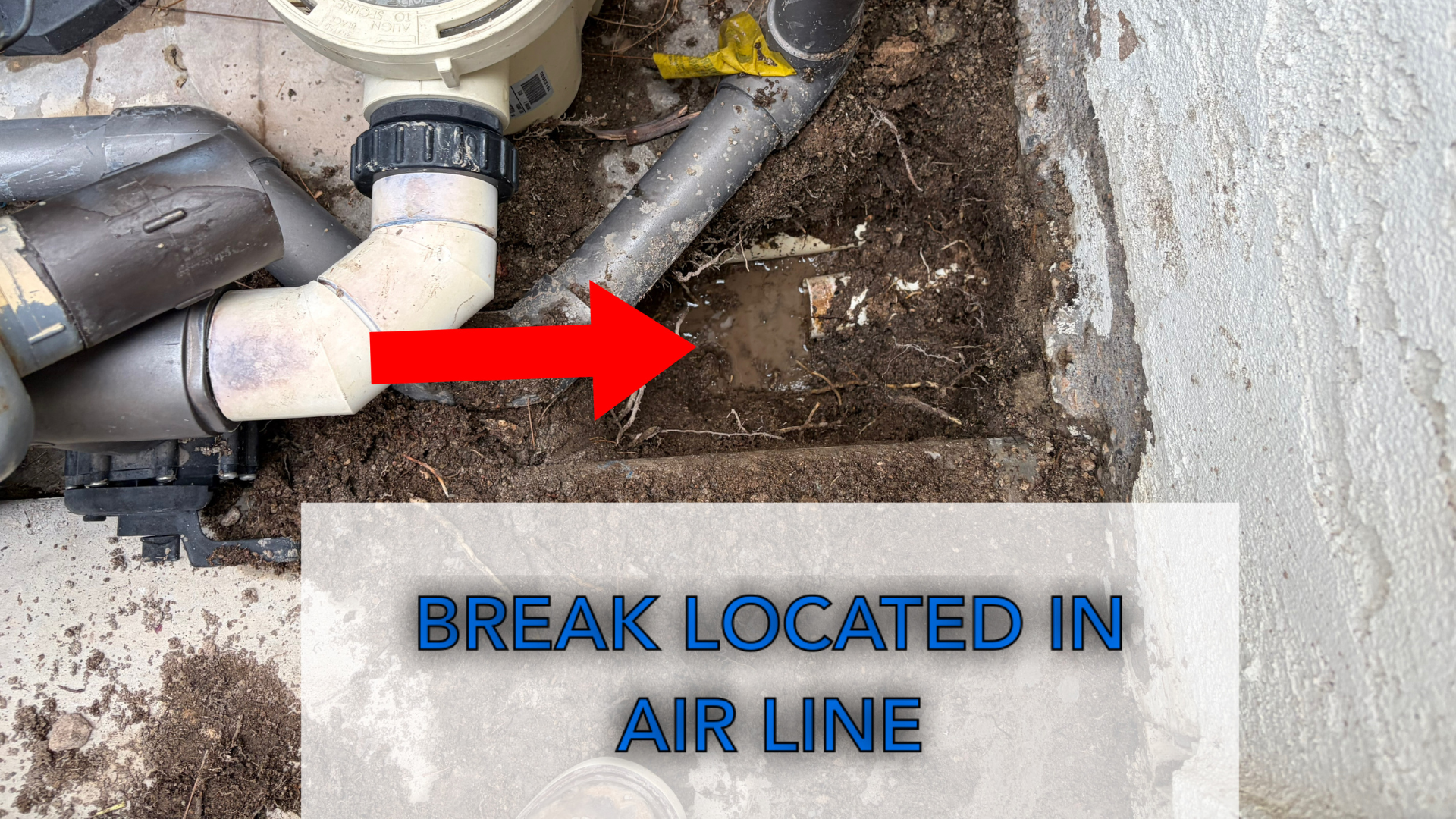
Watch for a Pump That Keeps Losing Prime
A properly operating pump should maintain consistent water flow after it has been primed.
If the pump basket repeatedly fills with air, the pump struggles to stay primed, or bubbles appear at the pool returns, air may be entering somewhere on the suction side.
Possible causes can include worn seals, loose fittings, valve problems, or damaged plumbing.
These symptoms do not automatically prove that water is leaking from the pool, but repeated changes in normal pump operation deserve investigation.
Look Closely Around the Equipment Pad
Some equipment leaks leave physical evidence even when standing water is absent.
Check around pumps, filters, unions, valves, heaters, and plumbing connections for recurring dampness.
Mineral deposits, staining, corrosion, or a section of concrete that repeatedly looks darker than the surrounding pad can also provide clues.
Pump shaft seals are another potential trouble spot. A leak between the wet end of the pump and the motor may begin slowly but should not be ignored.
Because Southern Nevada is so dry, escaping water can disappear quickly and make a small leak look insignificant.
Pay Attention to Filter Changes
The filter is another area worth watching.
Changes in filter pressure can indicate that something in the circulation system is behaving differently than normal.
The filter itself can also leak around the housing, clamp, drain plug, pressure-gauge fitting, or air-relief assembly.
Inspecting these components while the system is operating is useful because some leaks only appear once the plumbing is under pressure.
Valves Can Create Less Obvious Problems
Pool valves direct water through different plumbing lines and between pools, spas, drains, and water features.
As valves age, internal seals and O-rings can deteriorate.
Some valve leaks are visible.
Others affect where water is flowing inside the system.
For example, if an attached spa repeatedly loses water into the pool when the equipment is off, a valve-related problem may be worth investigating.
Unexpected changes between the water levels of a pool and spa can therefore provide useful diagnostic information.
Underground Plumbing May Leave No Puddle
A buried plumbing leak can be much harder to recognize.
Water may escape under decking, landscaping, or soil without ever becoming visible at the surface.
Possible warning signs include unexplained water loss, recurring air in the circulation system, changes in pump behavior, damp or settling areas near the pool, or water loss that changes depending on whether the pump is running.
A high-water-use or continuous-flow alert can also be an important clue, particularly when an automatic fill system is quietly replacing water as fast as the pool loses it.
Professional Testing Can Separate the Possibilities
Equipment systems contain too many potential leak points for guessing to be reliable.
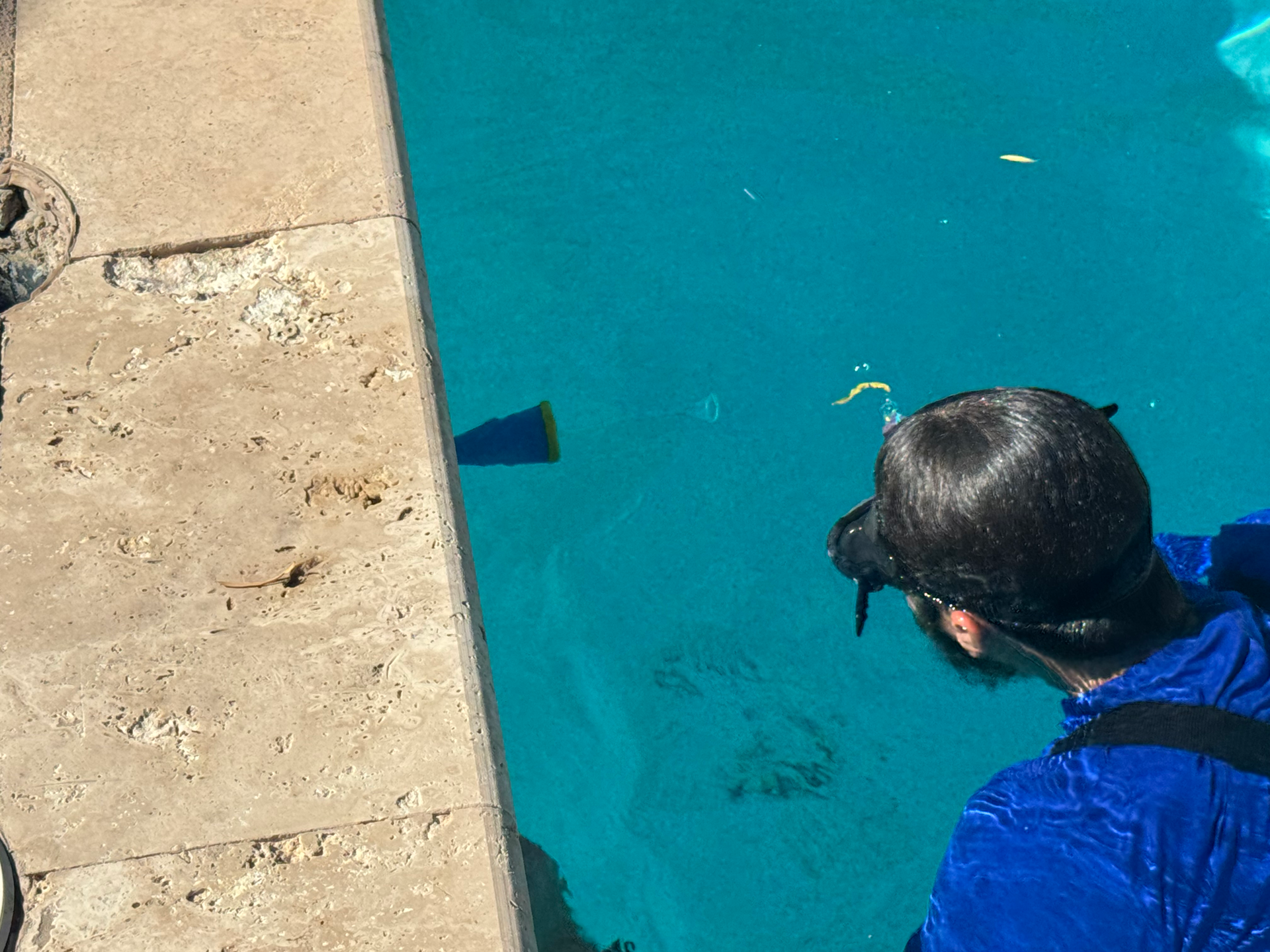
Hound Dog Leak Detection LV can use isolation testing to separate plumbing lines, water features, and pool or spa bodies and determine which part of the system is losing water.
Dye testing serves a different purpose by helping pinpoint suspected structural leak locations.
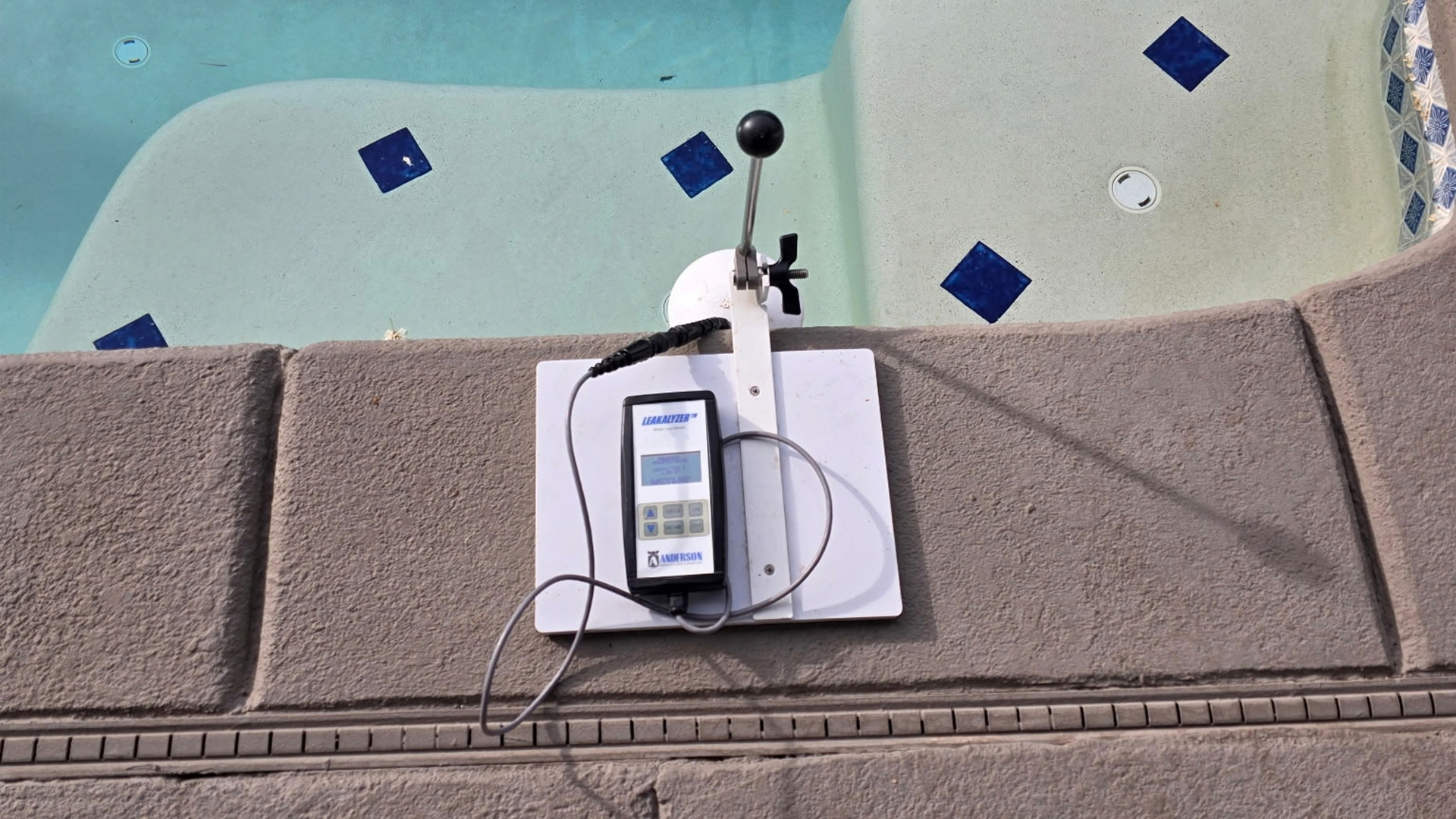
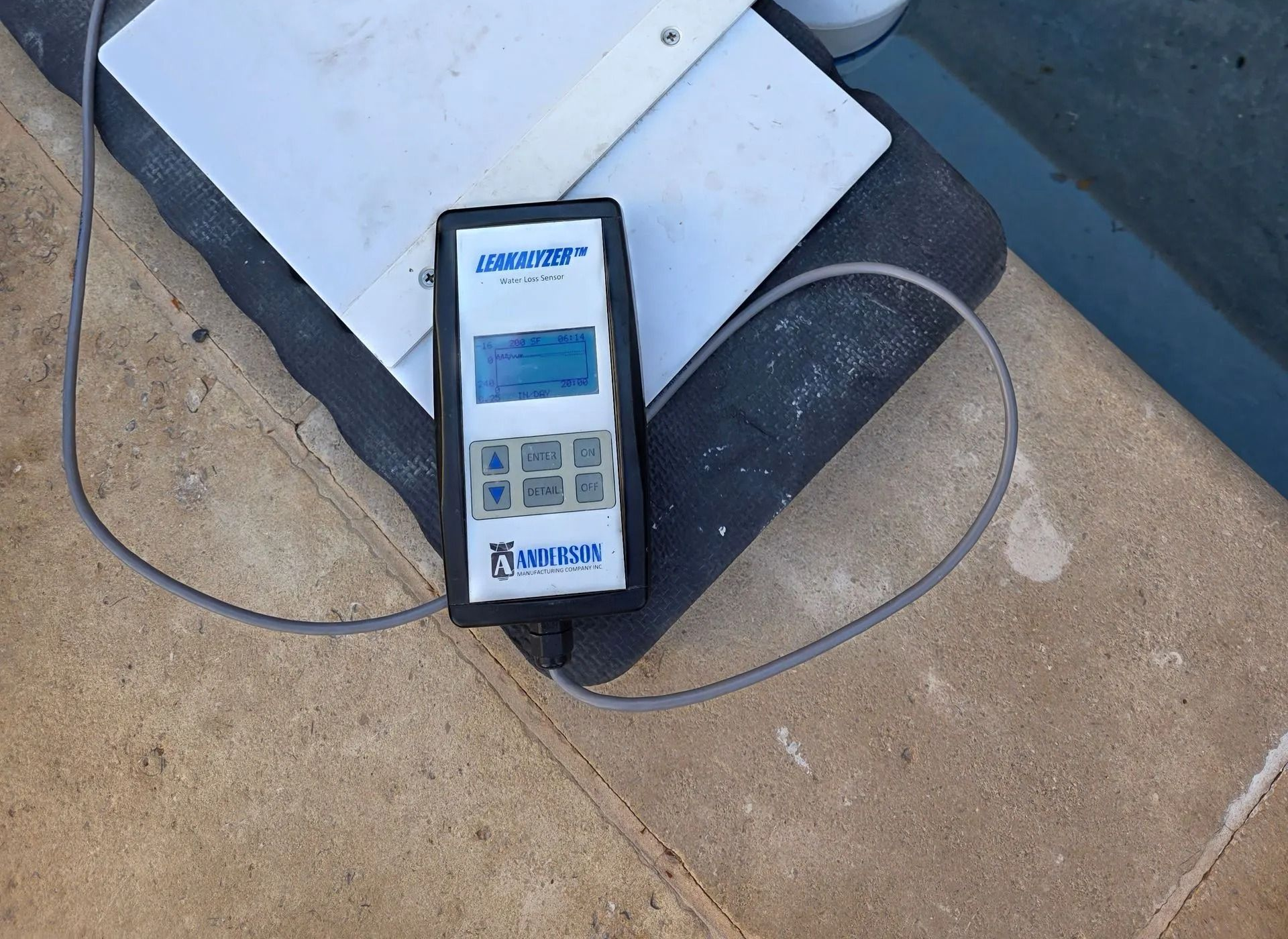
A Leakalyzer® Rapid Water Loss Sensor measures the rate of water loss and can help establish whether the pool is losing water faster than expected. It does not, by itself, identify the exact leak location.
Do Not Ignore Changes in Equipment Behavior
A hidden leak does not always begin with a dramatic drop in water level.
Sometimes the first signs are a pump behaving differently, recurring air bubbles, unexplained dampness, unusual filter behavior, or an autofill that seems to run more often.
If your pool is showing those symptoms, contact Hound Dog Leak Detection LV. Professional testing can help determine whether the problem is in the pump, filter, valves, plumbing, or another part of the pool system so the correct repair can be made without unnecessary guesswork.