Why DIY Pool Leak Fixes Often Fail and When to Call a Leak Detection Specialist

September 22, 2026

A dropping pool water level can tempt homeowners to try a quick fix. Adding sealant, tightening a fitting, replacing a gasket, or patching a visible crack may seem like an easy way to solve the problem.


Sometimes a simple repair does work.


The difficulty is that the visible symptom is not always the true source of the leak. Pool systems contain plumbing lines, fittings, skimmers, drains, lights, equipment, and structural components that can all lose water in different ways.


That is why DIY repairs often fail when the source has not been identified first.
Water Loss Does Not Always Point to the Source

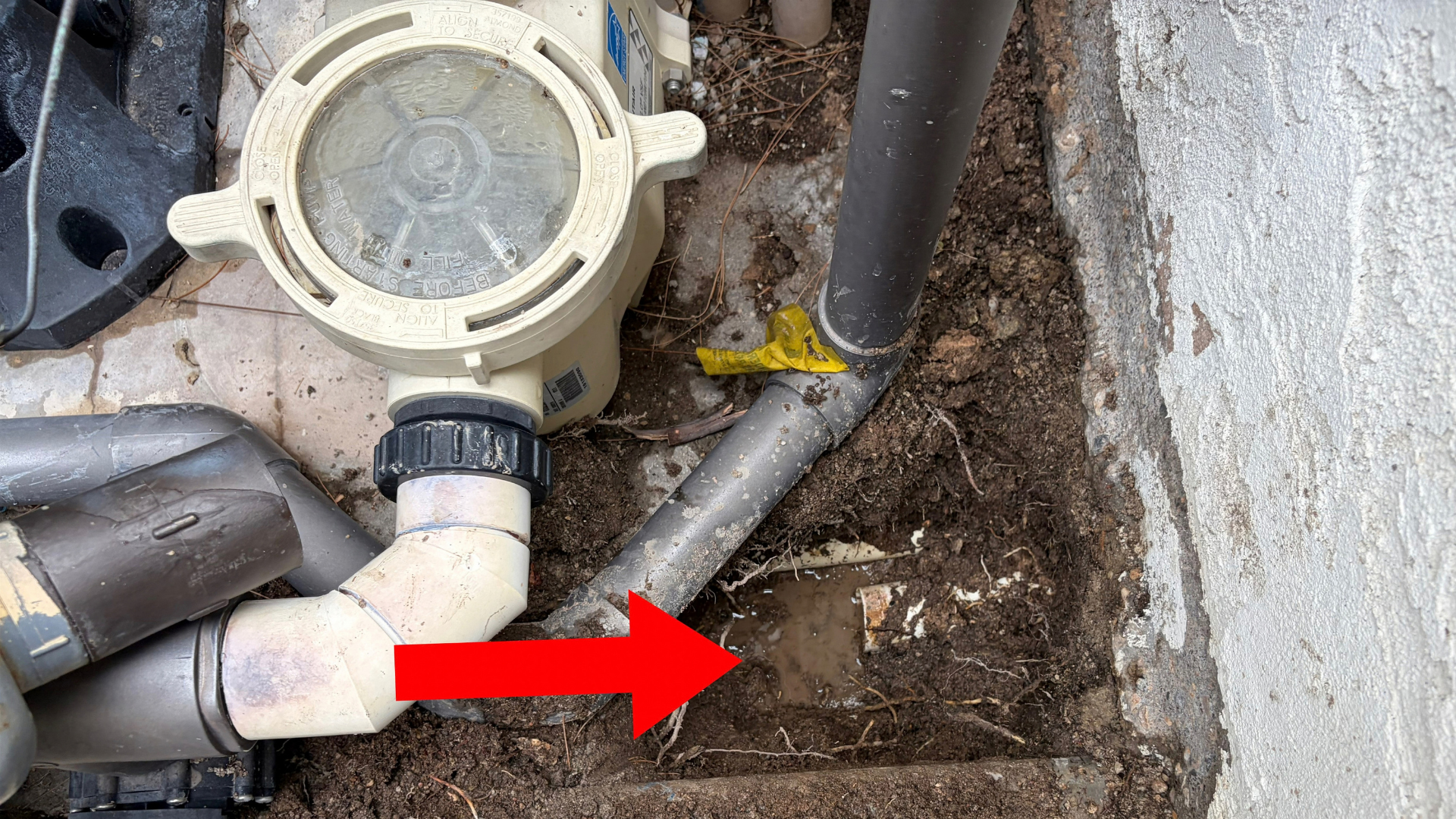
Water can travel before it becomes visible.


A wet area near the equipment pad may come from a nearby fitting, but it could also be caused by water moving along plumbing or collecting in a low spot.


The same is true around the pool shell.


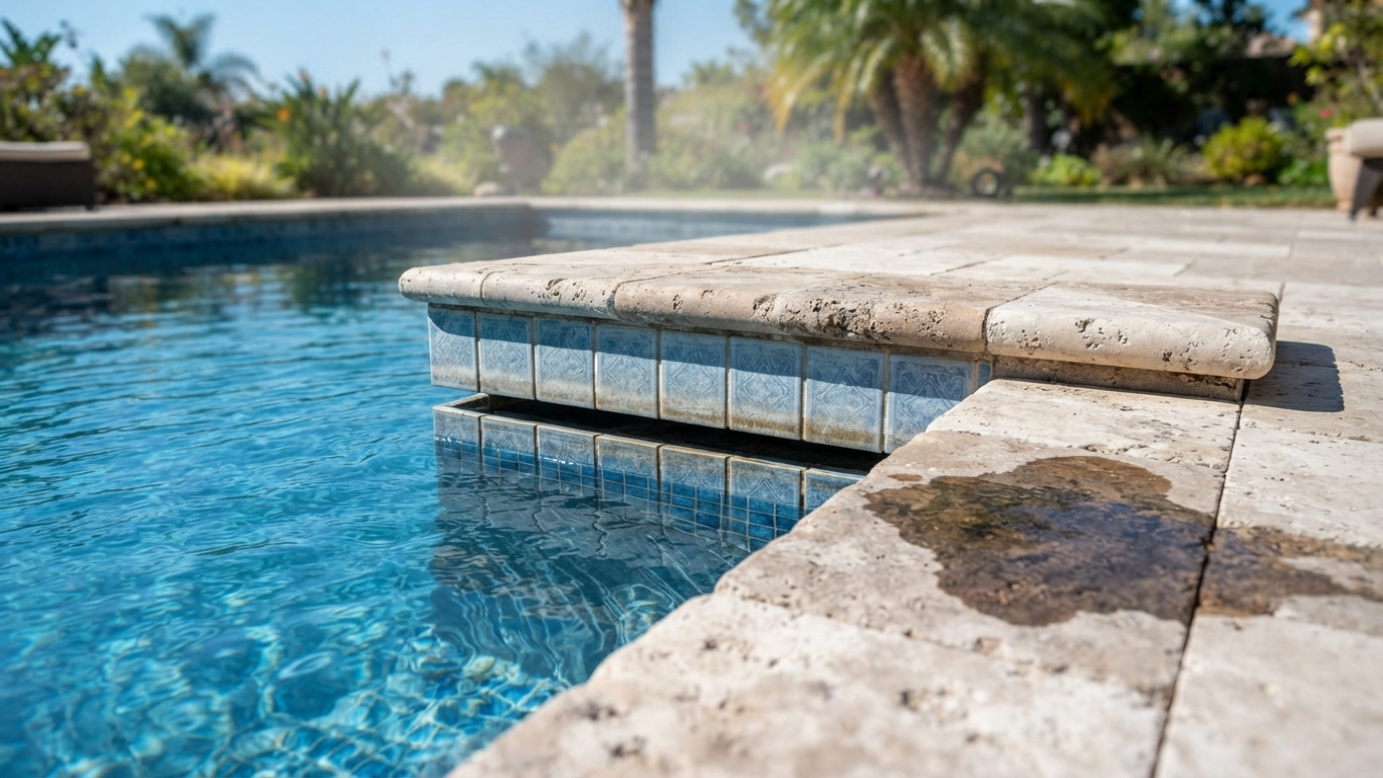
A crack may look suspicious without actually being the primary leak point.


Patching the first visible problem can leave the real leak untouched.


Evaporation Can Be Mistaken for a Leak

Las Vegas pools naturally lose water through evaporation, especially during hot, dry, or windy conditions.


That makes it important to confirm that abnormal water loss is actually occurring before repairs begin.


A basic bucket test can sometimes help homeowners compare pool water loss with evaporation, but it does not locate the leak.


If the pool is losing water faster than expected, professional testing can provide a more precise measurement.


Sealants Can Hide the Problem Temporarily

One common DIY approach is to apply sealant around a suspected crack, fitting, or skimmer.


The problem is that a temporary surface patch may not address movement, deterioration, plumbing damage, or another underlying cause.


If the leak continues behind the repair, the homeowner may simply lose more time while the problem grows.


In some cases, added sealant can also make later diagnosis more difficult by covering the original condition.


Plumbing Leaks Are Difficult to Diagnose Without Testing

Underground plumbing is one of the biggest challenges in pool leak detection.


A pressure-side line, suction line, spa line, return, or water feature may be leaking without producing an obvious surface clue.

Guessing which line is responsible can lead to unnecessary digging or repair work.


Hound Dog Leak Detection LV uses isolation testing to separate different lines, features, or pool and spa systems so the source can be narrowed down systematically.


That approach is much more reliable than repairing components one at a time and hoping the water loss stops.


Equipment Problems Can Mimic Structural Leaks

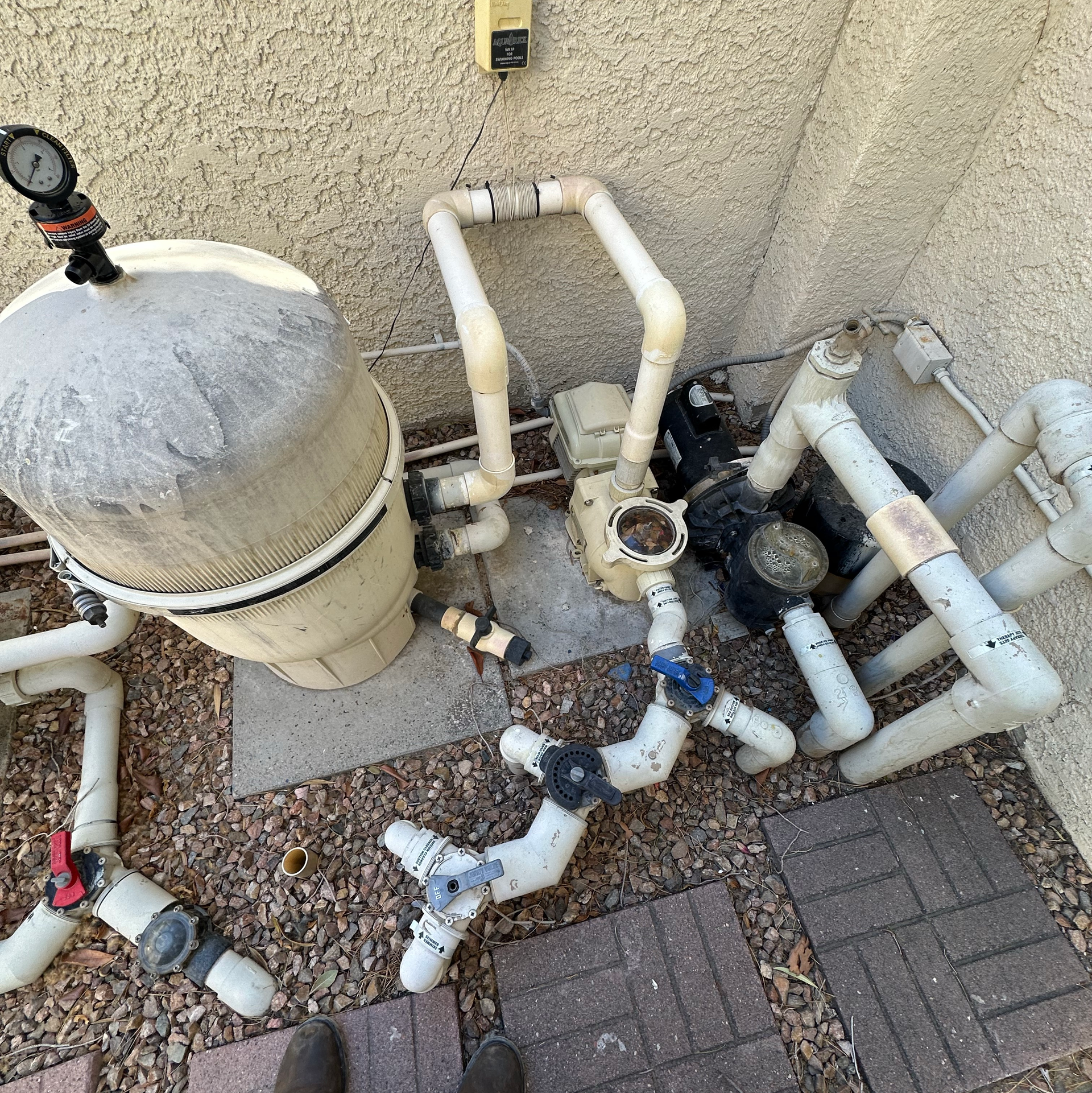
Pool pumps, filters, valves, and plumbing connections can all develop leaks.


Sometimes the problem only appears while the pump is running. Other times, water loss is more noticeable when the system is off.


Those patterns can provide useful clues.


A specialist can compare system behavior under different operating conditions and determine whether the leak is more likely to be in the equipment, plumbing, or pool shell.


Dye Testing Works Best After the Search Is Narrowed

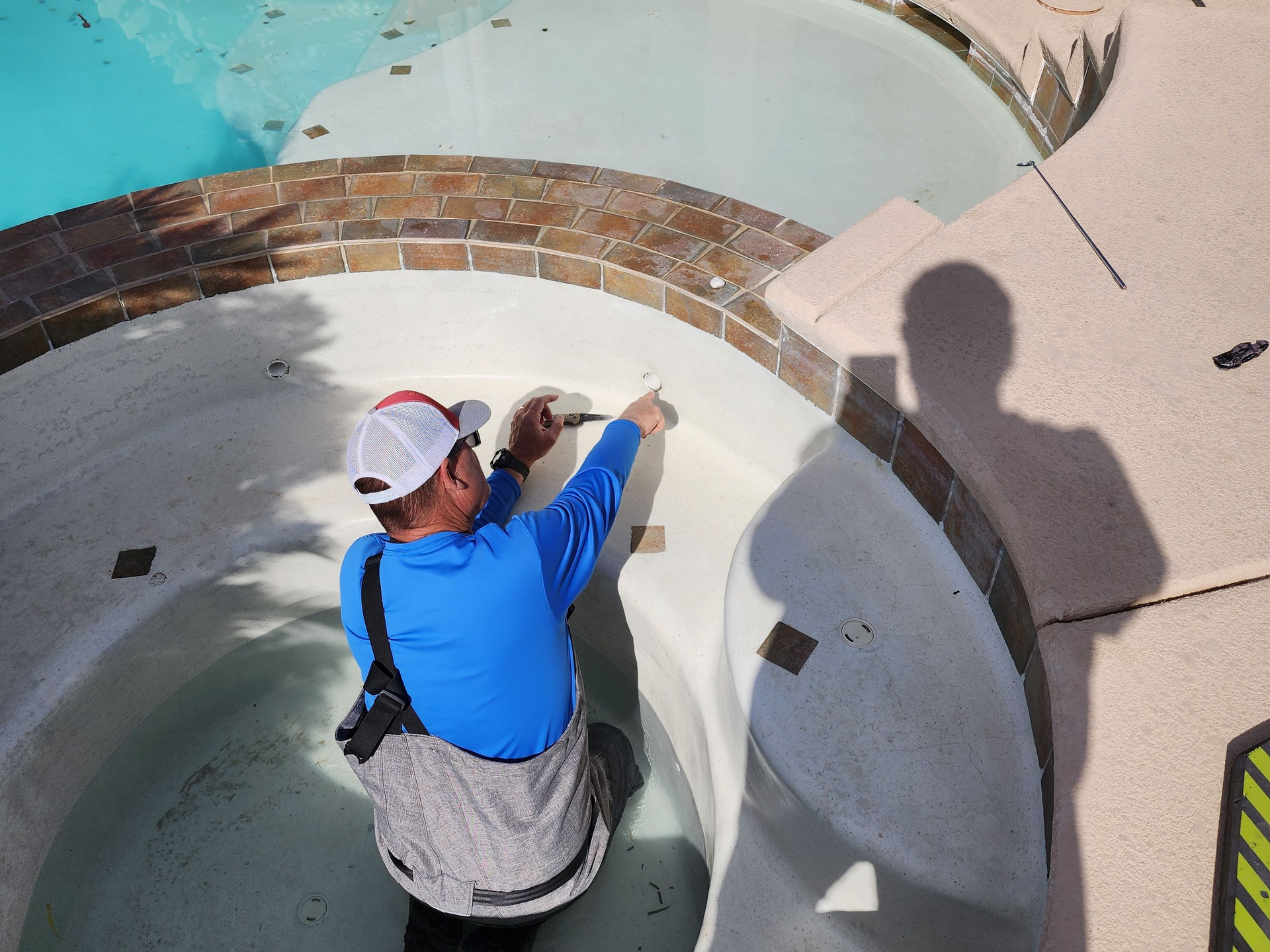
Dye testing can be very useful for pinpointing leaks around fittings, cracks, lights, drains, or other suspected areas.


But randomly applying dye throughout the pool is not always efficient.


Dye testing works best once the likely leak zone has been narrowed.


That is why professional leak detection often follows a step-by-step process instead of relying on one method alone.


Measurement Can Save Time

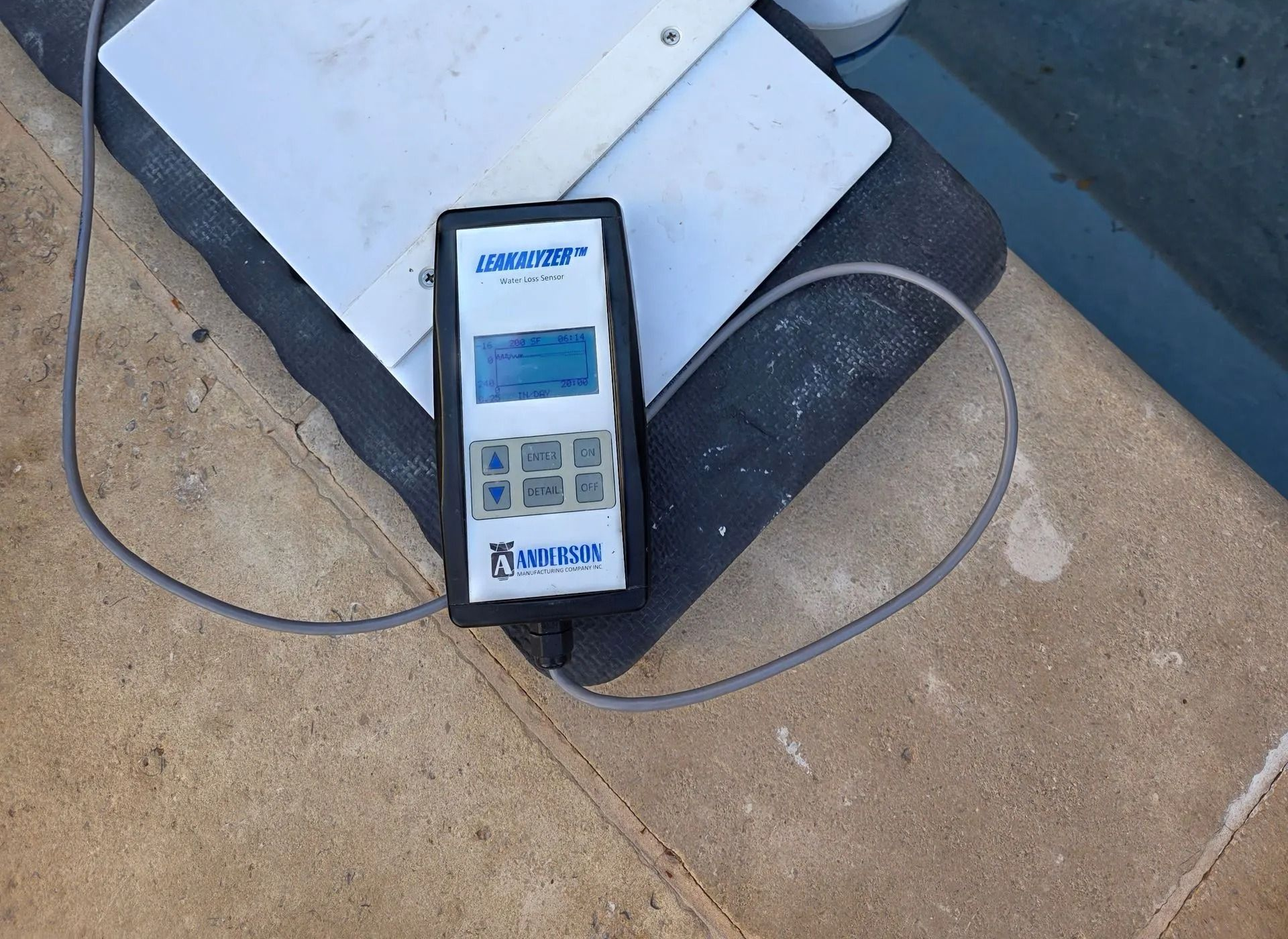
Hound Dog Leak Detection LV also uses the Leakalyzer® Rapid Water Loss Sensor to measure how quickly water is leaving the pool.


That helps distinguish measurable water loss from normal evaporation and provides a clearer starting point for the investigation.


From there, isolation testing and dye testing can be used to locate the source more precisely.


The goal is to repair the actual problem instead of repeatedly treating the symptom.


Know When to Call a Specialist

DIY troubleshooting may be reasonable for simple observations, such as checking the equipment pad, watching the water level, or performing a bucket test.


But if the pool continues losing water, the autofill runs constantly, the water bill rises, or previous repairs have not solved the issue, it is time for professional leak detection.


Hound Dog Leak Detection LV provides pool leak detection and repair throughout the Las Vegas area using specialized testing methods designed to locate leaks efficiently.


Finding the source first can help avoid unnecessary repairs, reduce water loss, and prevent a small leak from becoming a larger and more expensive problem.
September 21, 2026
A small pool leak may not seem urgent. If the water level drops slowly, it can be tempting to simply add more water and assume the problem can wait.  Unfortunately, even a relatively small leak can create larger problems when it continues over time. Water escaping from a pool shell, plumbing line, fitting, skimmer, or equipment connection does not simply disappear. It can move into the surrounding soil, interfere with water chemistry, and affect how pool equipment operates. In Las Vegas, where homeowners already expect some water loss from evaporation, distinguishing normal evaporation from an actual leak is especially important.
September 8, 2026
Pool water loss in Las Vegas can be difficult to interpret. High temperatures, low humidity, wind, heavy pool use, and normal evaporation can all cause the water level to drop. At the same time, an actual leak can quietly waste significant amounts of water if it is not identified.  That is why local experience matters. A leak detection specialist who understands Southern Nevada conditions is better positioned to separate normal environmental water loss from patterns that deserve further testing.
September 1, 2026
Pool water levels naturally rise and fall, especially in Las Vegas. Heat, wind, low humidity, splashing, and normal evaporation can all cause water loss. However, if you find yourself repeatedly adding water to the pool, notice an unexplained increase in your water bill, or receive a continuous-flow notification from your water provider , a leak may be worth investigating.  Before calling a professional, homeowners can perform several simple checks that may help determine whether the water loss appears normal or whether professional pool leak detection is the next step.
August 25, 2026
When a swimming pool is losing water, the first question is not always “Where is the leak?” Before searching plumbing lines, fittings, lights, skimmers, or the pool shell, it is important to determine whether the pool is actually losing water at an abnormal rate.  Hound Dog Leak Detection uses the Leakalyzer® Rapid Water Loss Sensor as part of its diagnostic process throughout Las Vegas and Southern Nevada. The device provides precise, real-time information about water loss, helping technicians confirm whether a leak exists and develop a more focused plan for locating and addressing it.
August 21, 2026
Pool water levels naturally rise and fall, but Las Vegas weather can make those changes especially noticeable. Extreme heat, low humidity, wind, and sudden temperature shifts can all increase evaporation. At the same time, unusual water loss can also signal a leak.  The challenge for homeowners is knowing when changing weather is responsible and when the pool needs professional testing. Hound Dog Leak Detection helps Las Vegas-area pool owners distinguish normal evaporation from active water loss using professional tools and targeted leak detection methods.
August 12, 2026
Yes, spas and hot tubs can leak, and the source is not always obvious. Because these systems contain multiple fittings, jets, pumps, valves, plumbing lines, and seals packed into a relatively small area, even a small failure can lead to steady water loss.  For homeowners in Las Vegas and throughout Southern Nevada, unexplained water loss deserves attention. Hound Dog Leak Detection helps identify leaks in pools, spas, and connected water systems using professional diagnostic methods designed to narrow down where the problem is occurring before repairs begin.
August 7, 2026
If your pool pump is running normally but your pool continues losing water, it is easy to assume the pump is causing the problem. In reality, the pump is often just one part of a larger circulation system where hidden leaks can occur. While some water loss from evaporation is normal—especially during the hot Las Vegas summer —a pool that requires frequent refilling may have a leak that needs professional attention.  Finding the source of the water loss early can help prevent higher water bills, unnecessary chemical use, equipment damage, and costly repairs. Hound Dog Leak Detection specializes in locating hidden pool leaks using advanced diagnostic equipment and proven testing methods.
August 3, 2026
If your swimming pool seems to be losing more water than normal, you may be wondering whether evaporation is to blame or if you have an actual leak. While some water loss is expected, excessive water loss can lead to higher utility bills, damage to your pool or surrounding property, and unnecessary water waste—an especially important concern in Southern Nevada.  At Hound Dog Leak Detection, we use specialized equipment and proven diagnostic techniques to accurately identify the source of pool leaks. Here are answers to some of the questions homeowners ask most often about the inspection process.
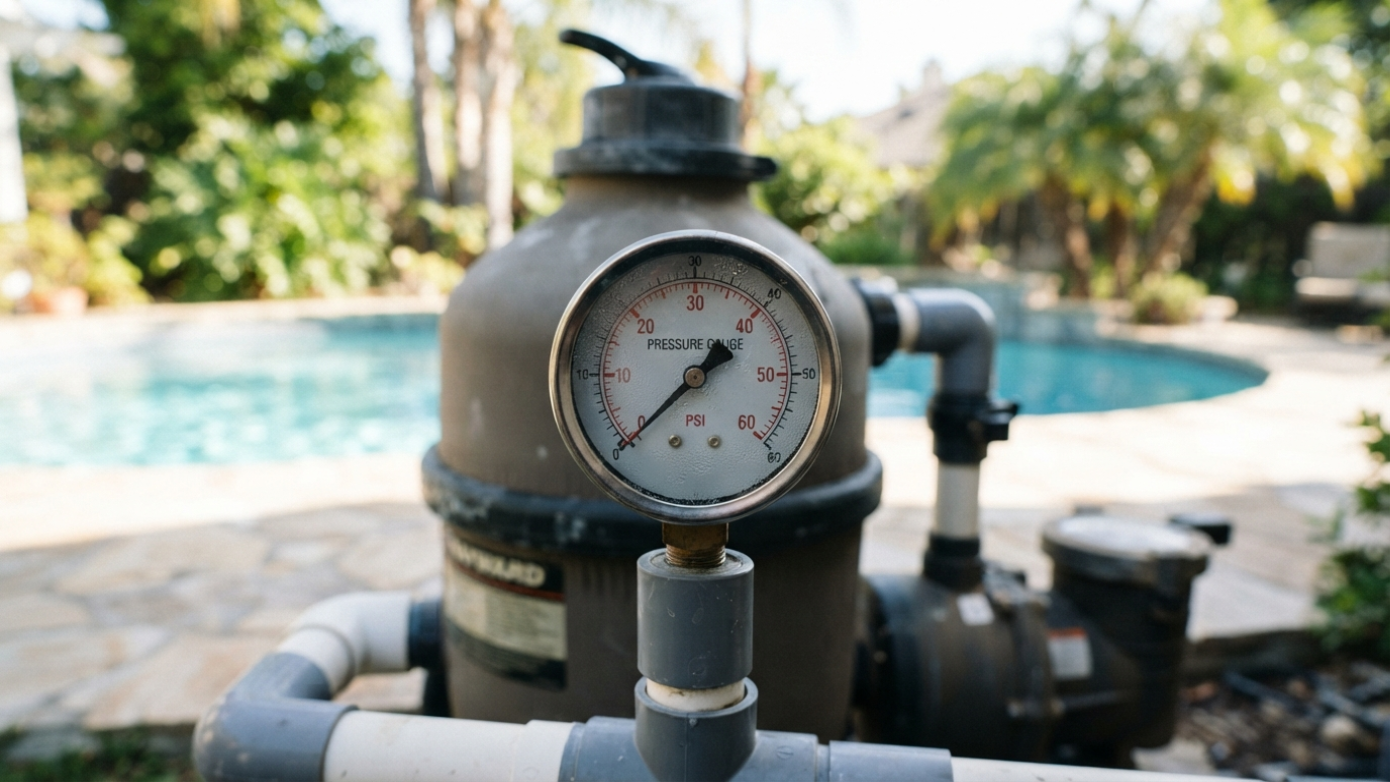
Pressure gauge on pool filtration system with pipes beside a swimming pool, outdoors.
July 31, 2026
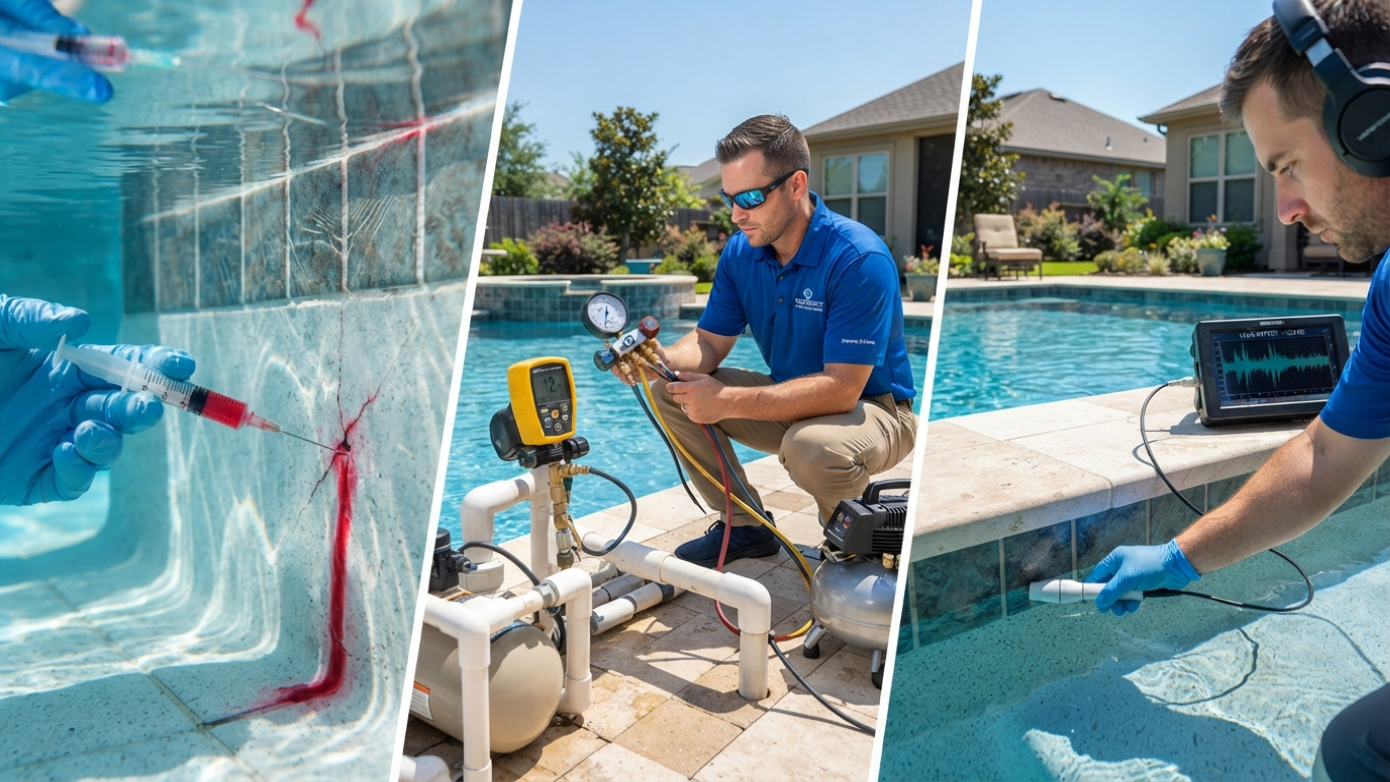
Learn how experts use dye testing, pressure testing, and electronic detection to find hidden pool leaks and protect your pool from costly damage.
Technician inspecting a swimming pool with a digital meter and skimmer net, checking water quality and surface debris
July 31, 2026
Learn how experts use dye testing, pressure testing, and electronic detection to find hidden pool leaks and protect your pool from costly damage.