How to Check for a Pool Leak Before Calling a Professional
Pool water levels naturally rise and fall, especially in Las Vegas. Heat, wind, low humidity, splashing, and normal evaporation can all cause water loss. However, if you find yourself repeatedly adding water to the pool, notice an unexplained increase in your water bill, or receive a continuous-flow notification from your water provider, a leak may be worth investigating.
Before calling a professional, homeowners can
perform several simple checks that may help determine whether the water loss appears normal or whether professional pool leak detection is the next step.
Start by Watching the Water Level
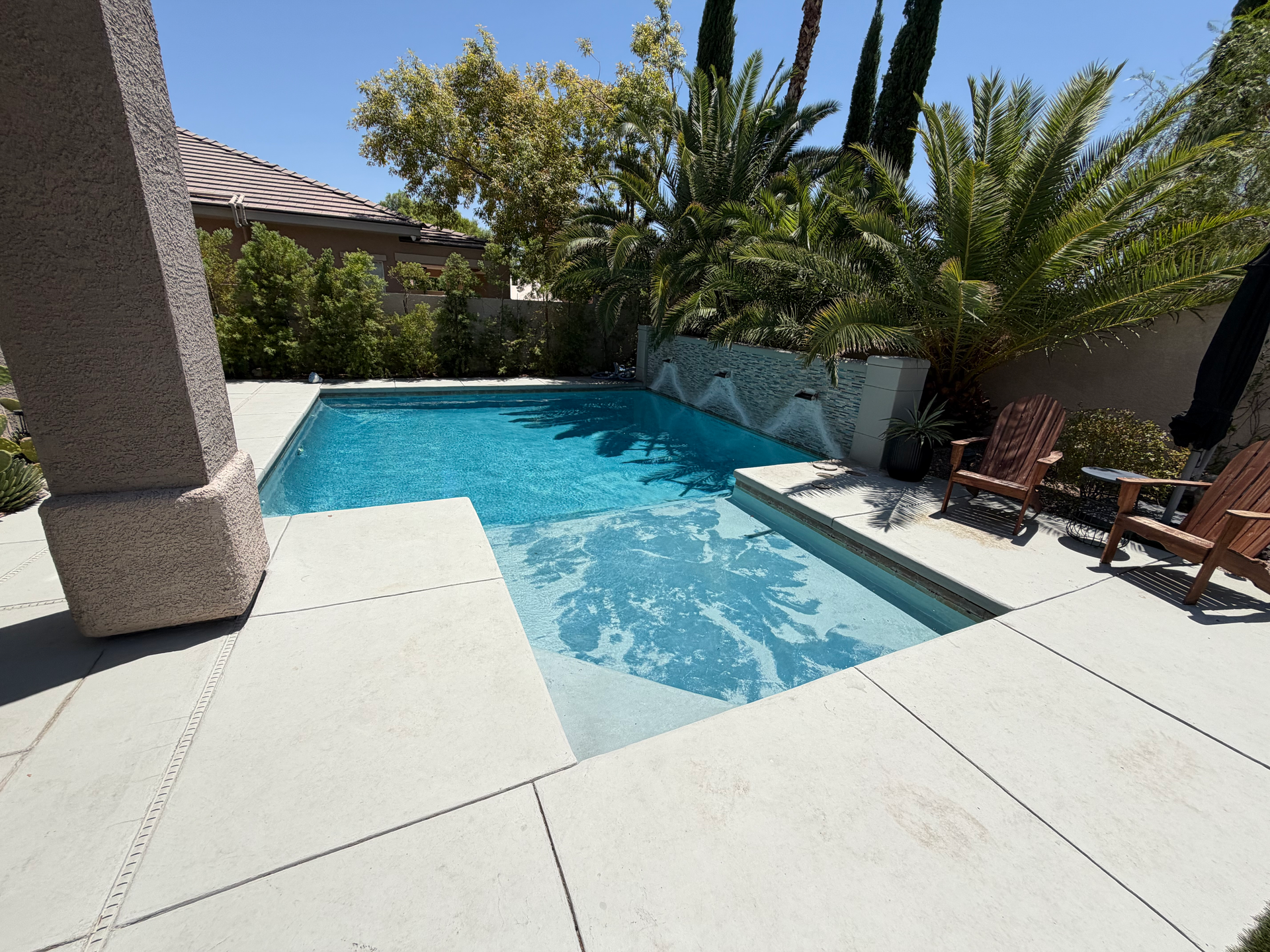
The easiest place to begin is simply observing the pool.
Mark the current water level with a piece of tape or another temporary marker at the waterline. Check it again after a day or two under similar conditions.
Remember that evaporation varies considerably with temperature, wind, humidity, and pool conditions, so a small drop does not automatically mean the pool is leaking.
What deserves more attention is water loss that seems unusually fast, continues consistently, or requires frequent refilling.
Perform a Bucket Test
One of the most useful homeowner checks is a bucket test.
Place a bucket on a pool step and add water until the water level inside the bucket matches the level of the surrounding pool water. Mark both levels and allow the bucket to remain undisturbed.
The Southern Nevada Water Authority recommends comparing the two water levels after several days. If the pool has dropped noticeably more than the water inside the bucket, the difference may indicate a pool leak rather than evaporation alone.
Try to perform the test during relatively normal pool conditions and avoid adding water while the test is underway.
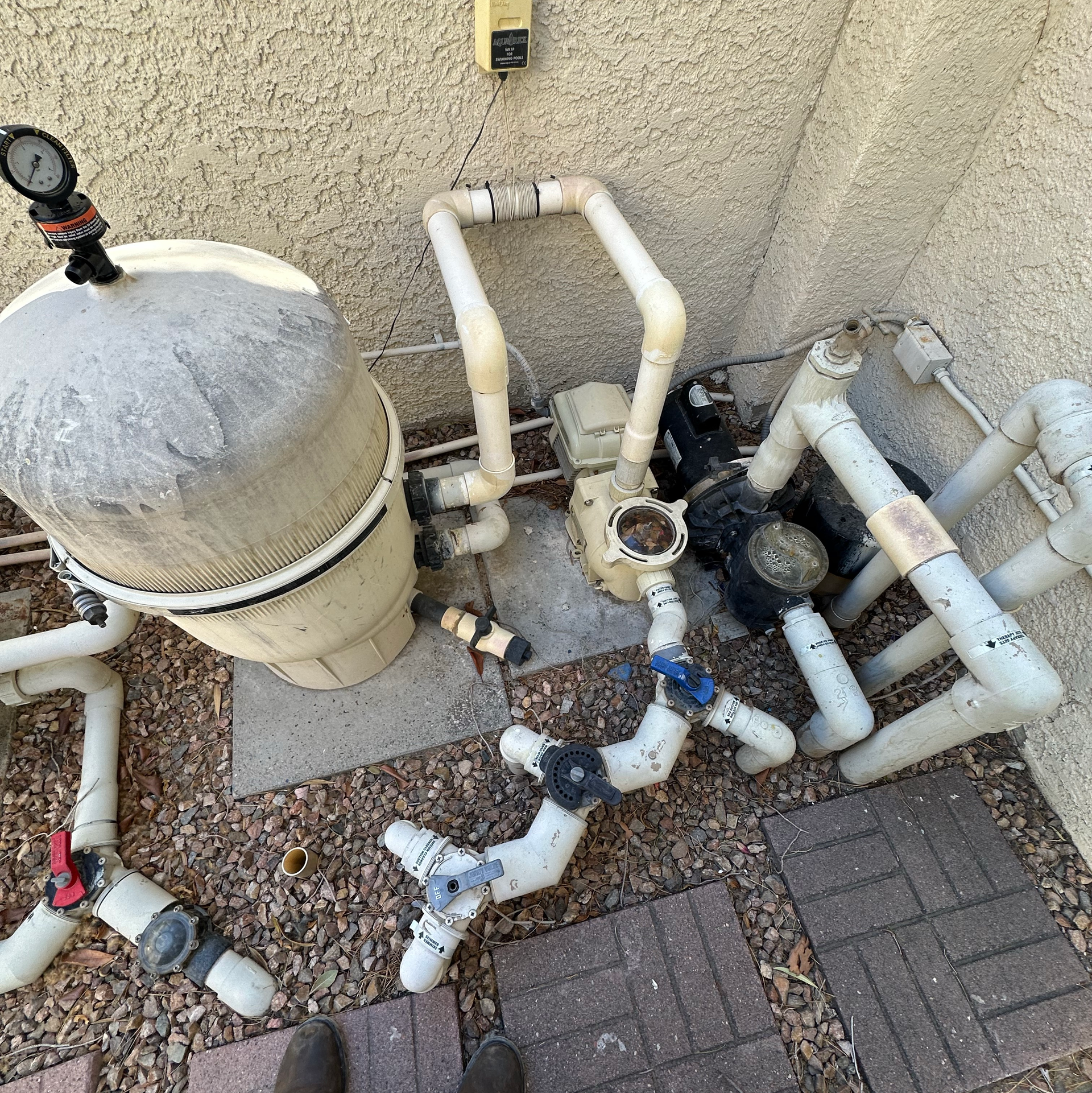
Look Around the Pool Equipment
Next, inspect the equipment area while the system is operating.
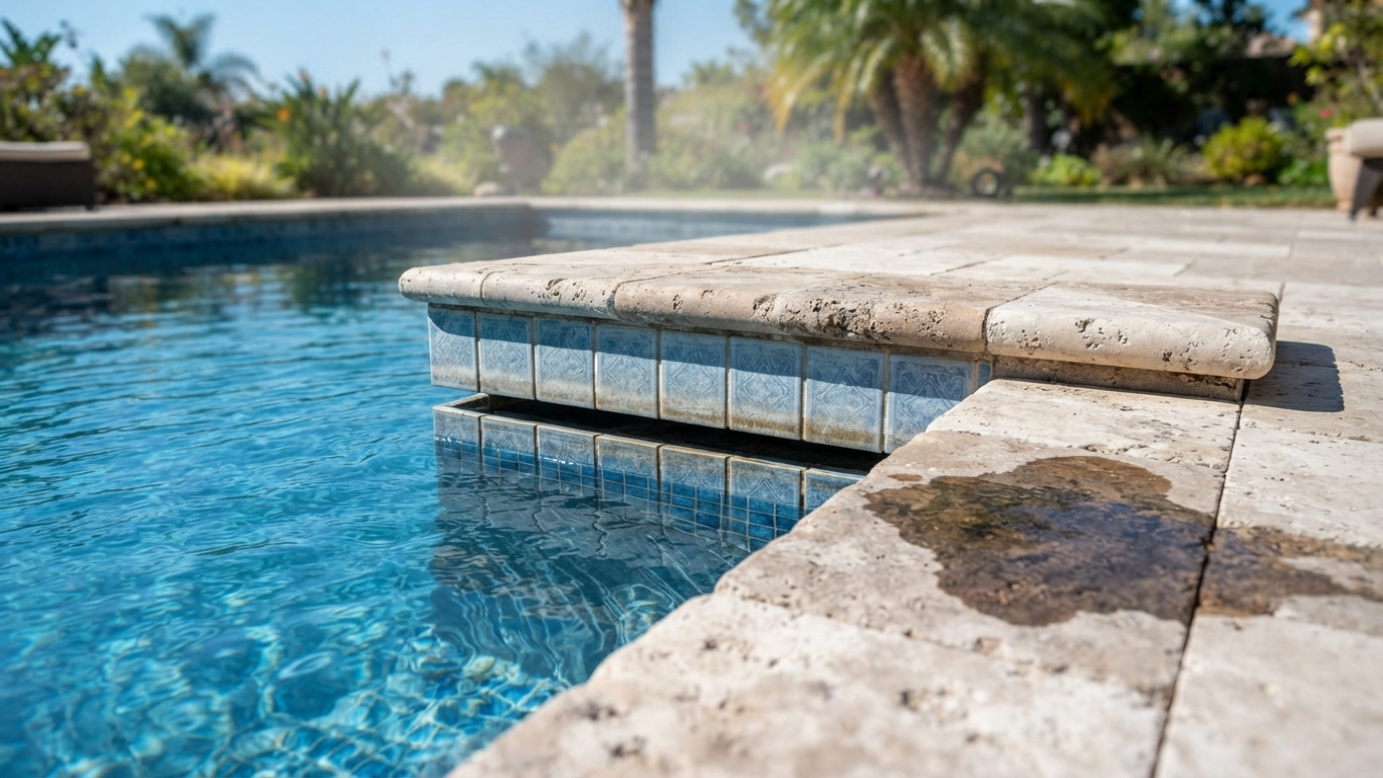
Look around the pump, filter, valves, heater, plumbing connections, and exposed pipes for dripping water, damp areas, mineral deposits, or puddles.
Some equipment leaks are obvious. Others may appear only while the pump is running.
Pay particular attention to areas that remain damp even though the surrounding ground is dry. A small equipment leak can lose a surprising amount of water over time.
Inspect the Pool for Visible Trouble Spots
Walk around the pool and look closely at areas where leaks frequently develop.
Check around:
- Skimmers
- Return fittings
- Lights
- Steps
- Cracks
- Tile lines
- Water features
- Spa spillways
- Plumbing penetrations
A crack does not automatically mean it is leaking, and a leak may exist without any obvious structural damage. The purpose of this inspection is simply to identify anything unusual that a leak detection specialist should know about.
Compare Pump-On and Pump-Off Water Loss
If practical, pay attention to whether water loss appears different depending on whether the circulation system is operating.
A pool that loses noticeably more water while the pump is running may point toward a pressure-side plumbing or equipment issue. Water loss that changes when the system is off can suggest a different part of the pool system.
This is only an observation, not a definitive diagnosis. Underground plumbing and complex pool-spa systems generally require specialized testing to isolate the actual source.
Pay Attention to Your Water Bill
An unexplained increase in water use can provide another clue.
Southern Nevada utilities use advanced metering and automated notifications to identify continuous water flow that may indicate a leak. SNWA reports that slow leaks are not always visible and can still result in significant water loss.
If you receive a high-consumption or continuous-flow warning, do not automatically assume the pool is responsible. Irrigation systems, toilets, supply lines, appliances, and other fixtures can also leak.
However, if the pool has also been requiring frequent refilling, it deserves closer attention.
Avoid Guessing at the Repair
Once your basic checks suggest a leak, randomly sealing cracks or replacing equipment can make diagnosis harder without addressing the actual source.
A professional leak detection process is designed to narrow the problem systematically.
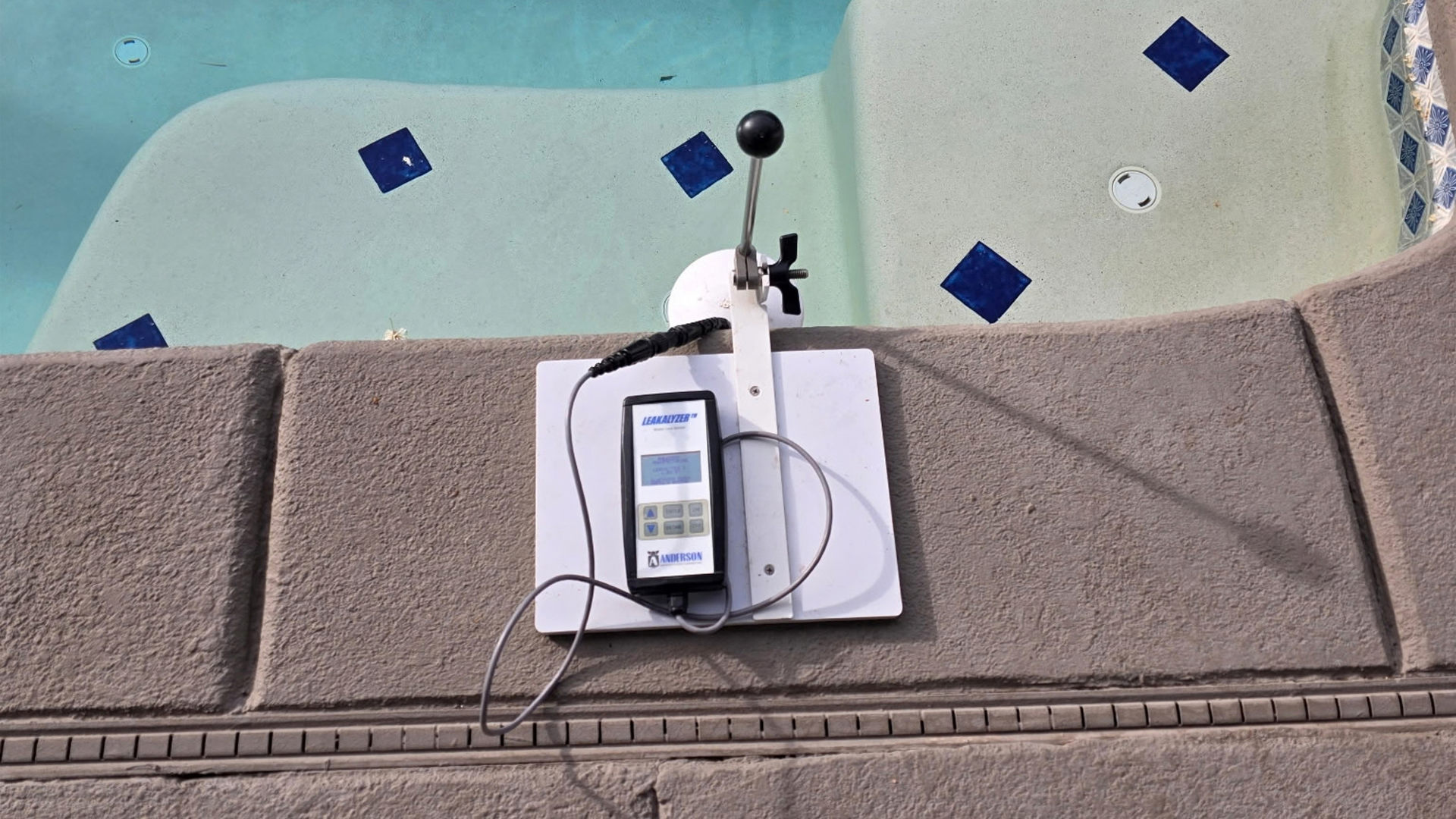
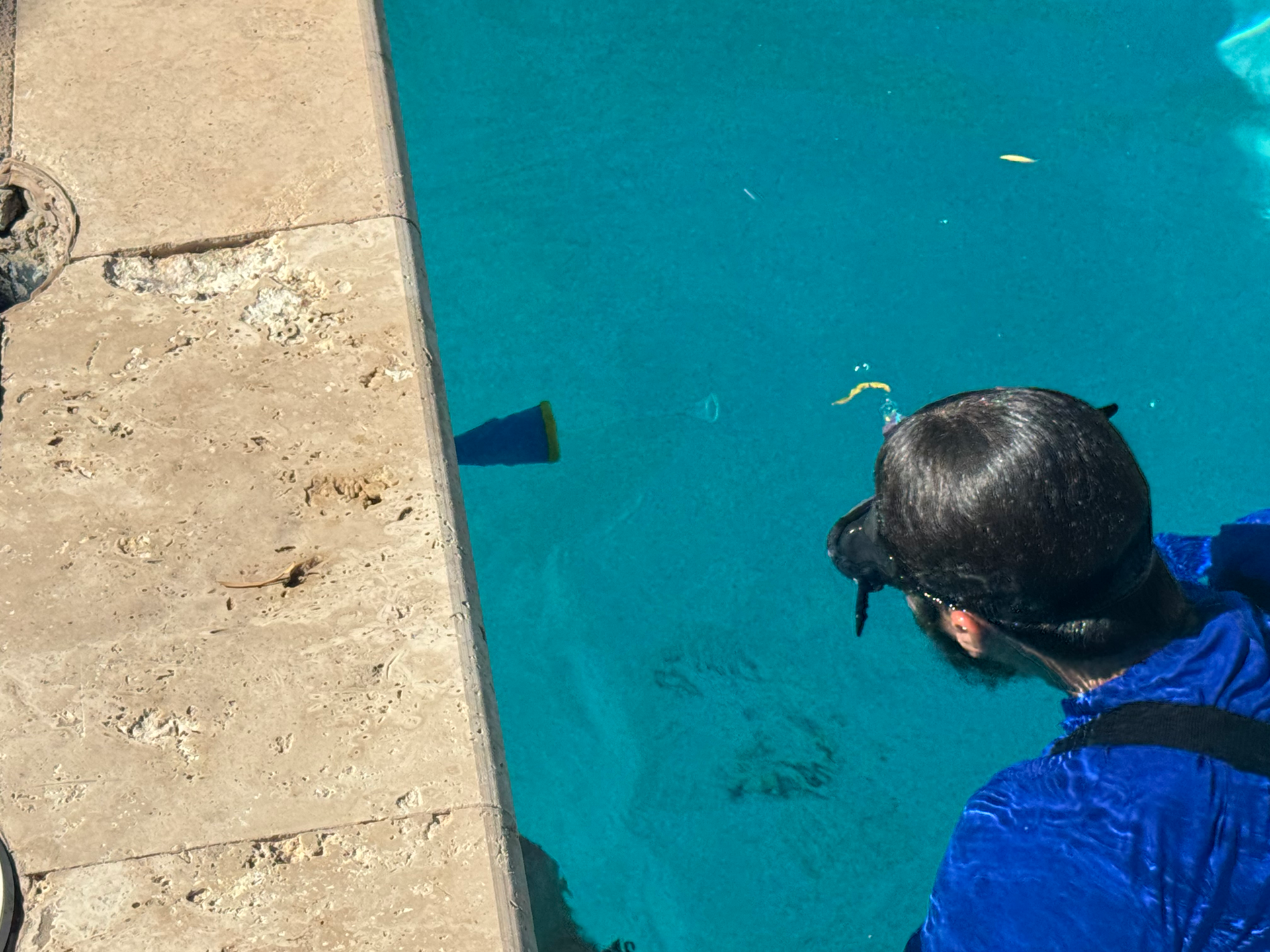
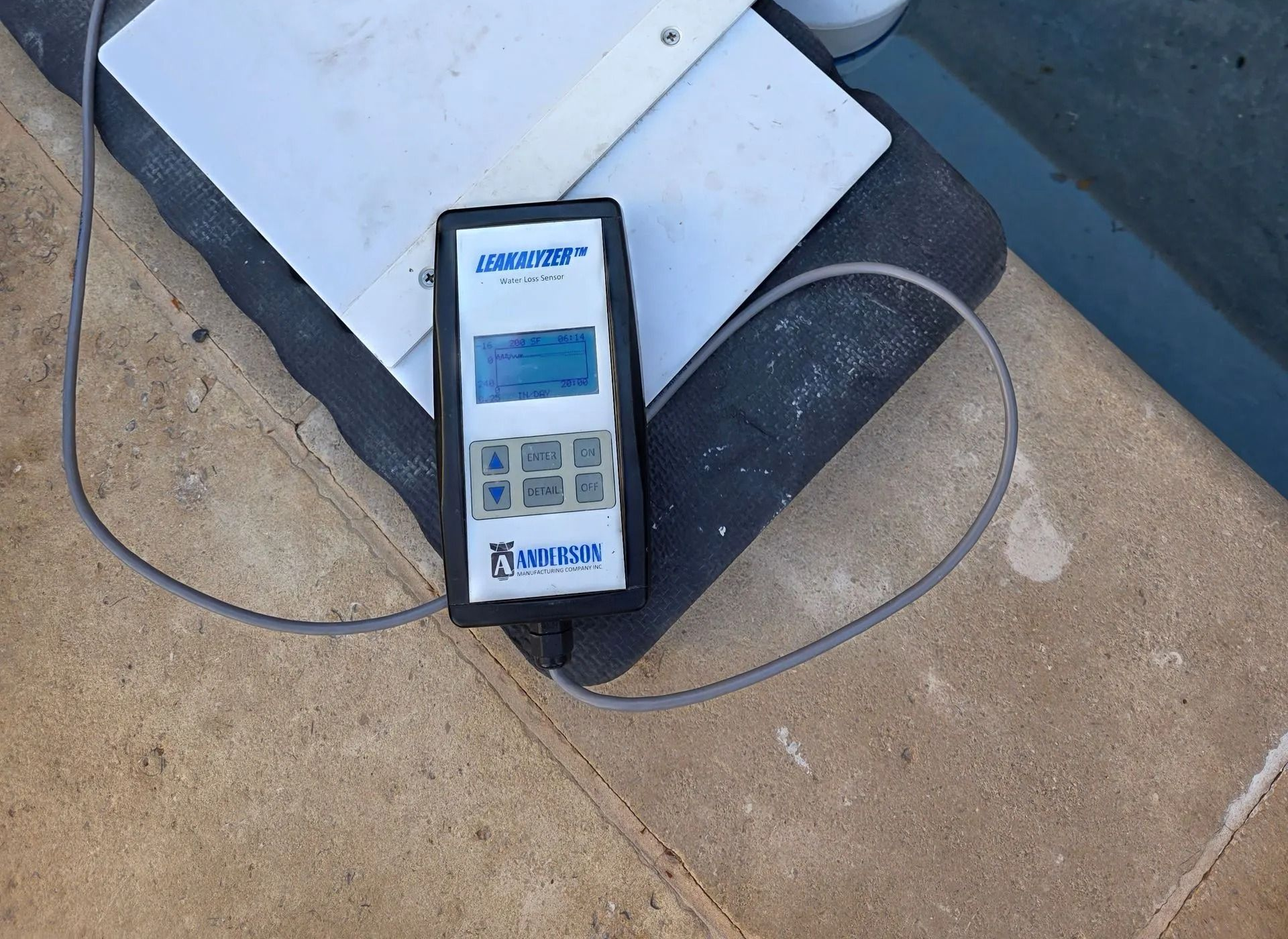
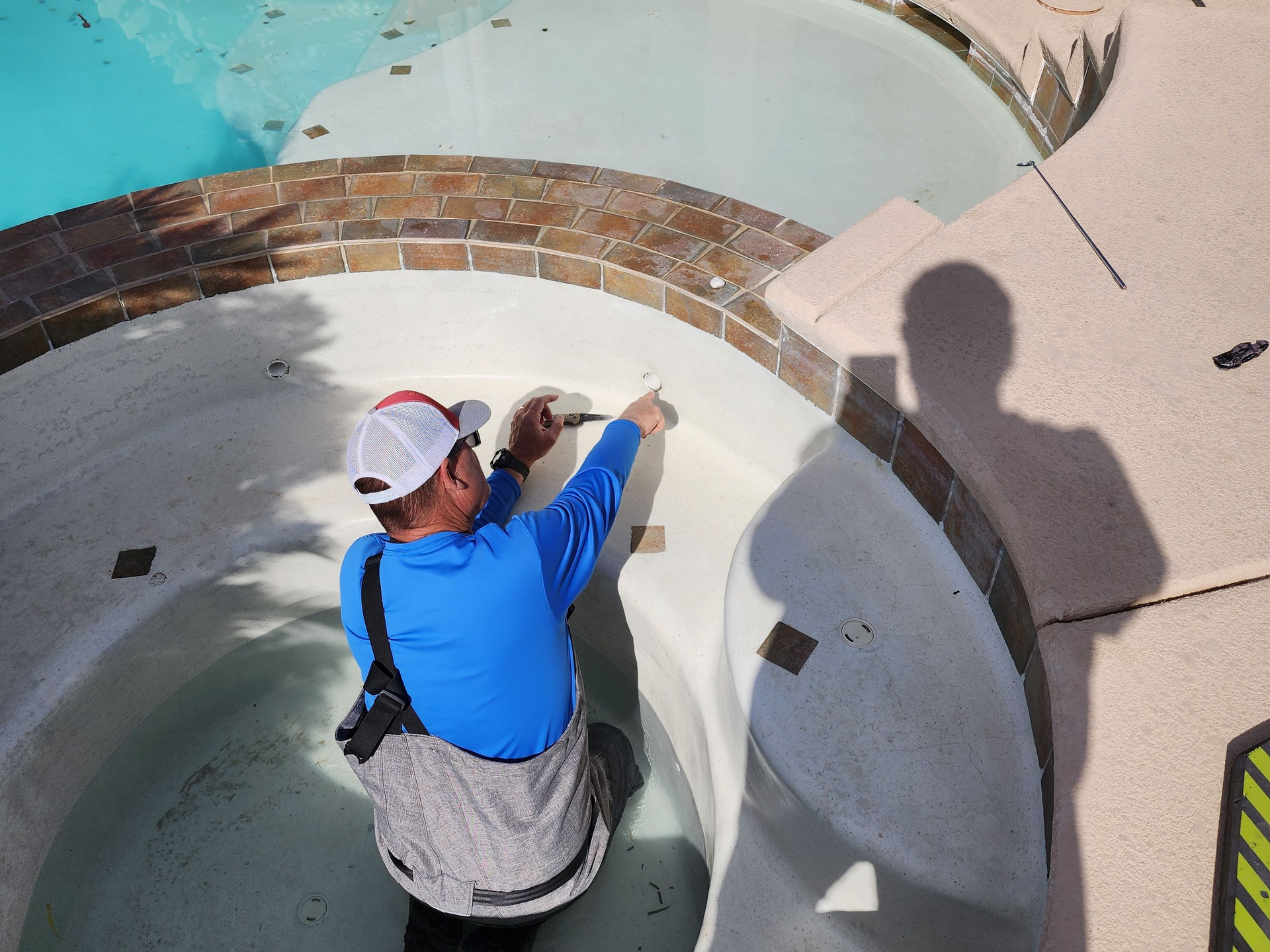
At Hound Dog Leak Detection LV, that may include measuring the actual rate of water loss with a Leakalyzer®, performing isolation testing to separate plumbing lines and pool or spa components, and using dye testing when appropriate to pinpoint suspected leak locations.
These methods can help distinguish normal evaporation from measurable water loss and determine where further investigation should focus.
Know When It Is Time for Professional Leak Detection
A bucket test and visual inspection can tell you a lot, but they cannot locate every hidden leak. Underground plumbing, structural leaks, spa systems, and equipment-related problems may require specialized testing.
If your pool continues losing more water than evaporation can explain, contact Hound Dog Leak Detection. A systematic professional evaluation can identify where the water is going so the correct repair can be made instead of relying on trial and error.