Pool Pump Running but Losing Water? Possible Causes and Solutions
If your pool pump is running normally but your pool continues losing water, it is easy to assume the pump is causing the problem. In reality, the pump is often just one part of a larger circulation system where hidden leaks can occur. While some water loss from evaporation is normal—especially during the hot Las Vegas summer—a pool that requires frequent refilling may have a leak that needs professional attention.
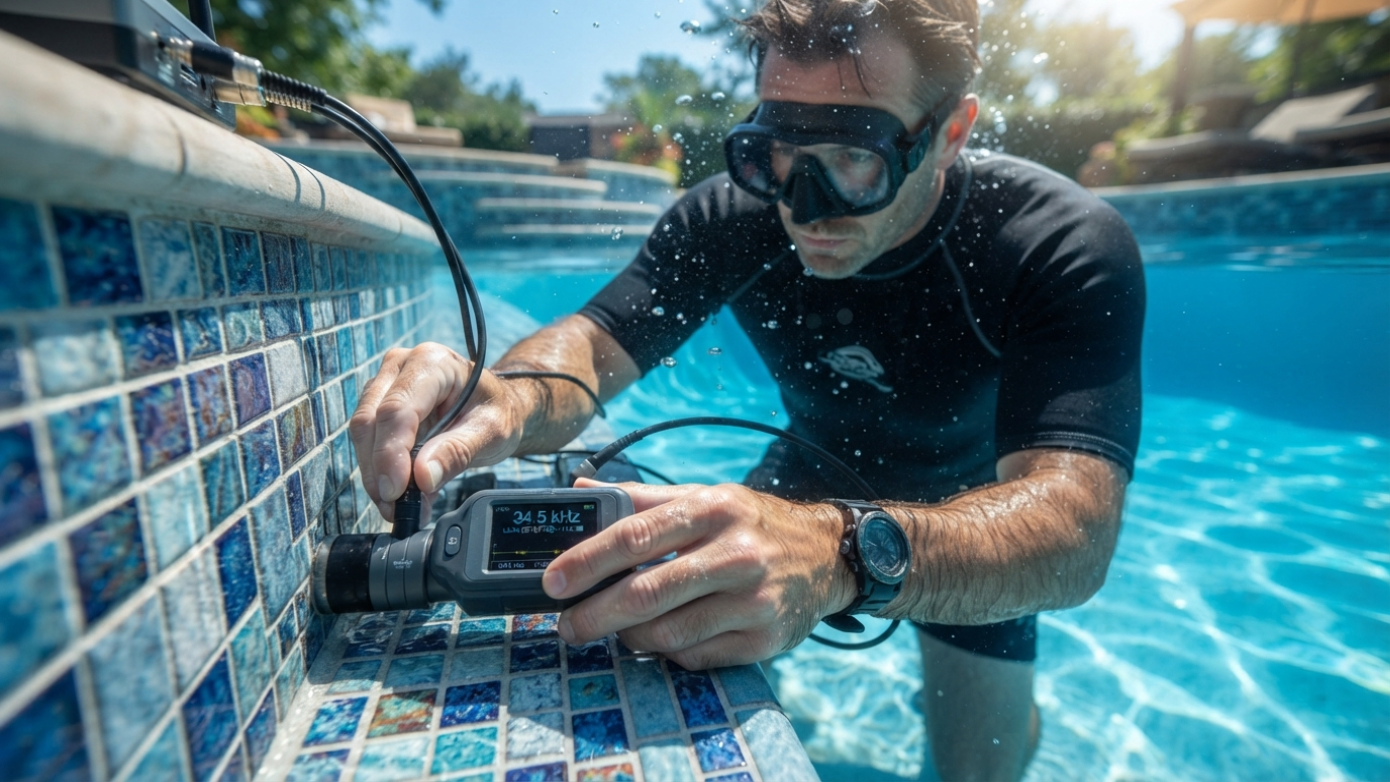
Finding the source of the water loss early can help prevent higher water bills, unnecessary chemical use, equipment damage, and costly repairs. Hound Dog Leak Detection specializes in locating hidden pool leaks using advanced diagnostic equipment and proven testing methods.

Is It Evaporation or a Leak?
Every swimming pool loses some water through evaporation. High temperatures, low humidity, wind, and heavy pool use can all increase water loss.
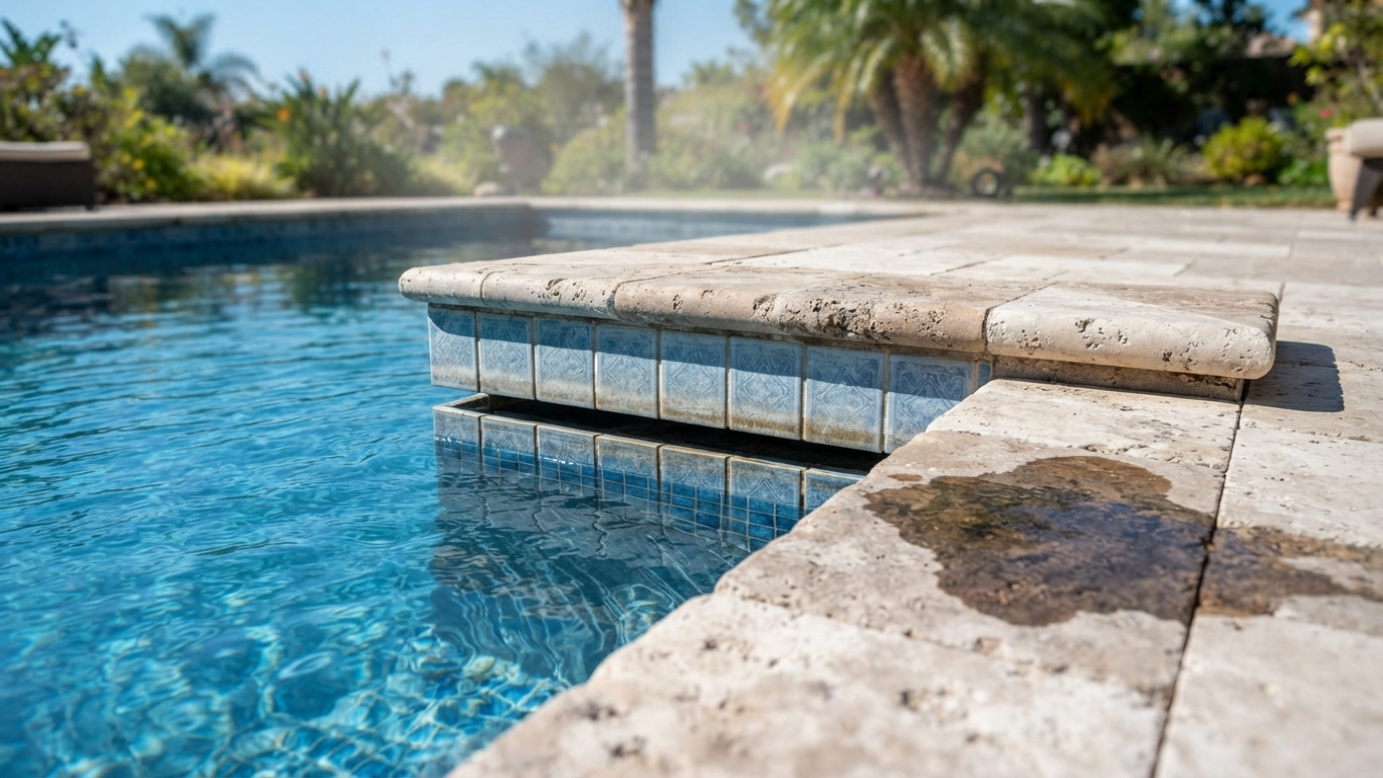
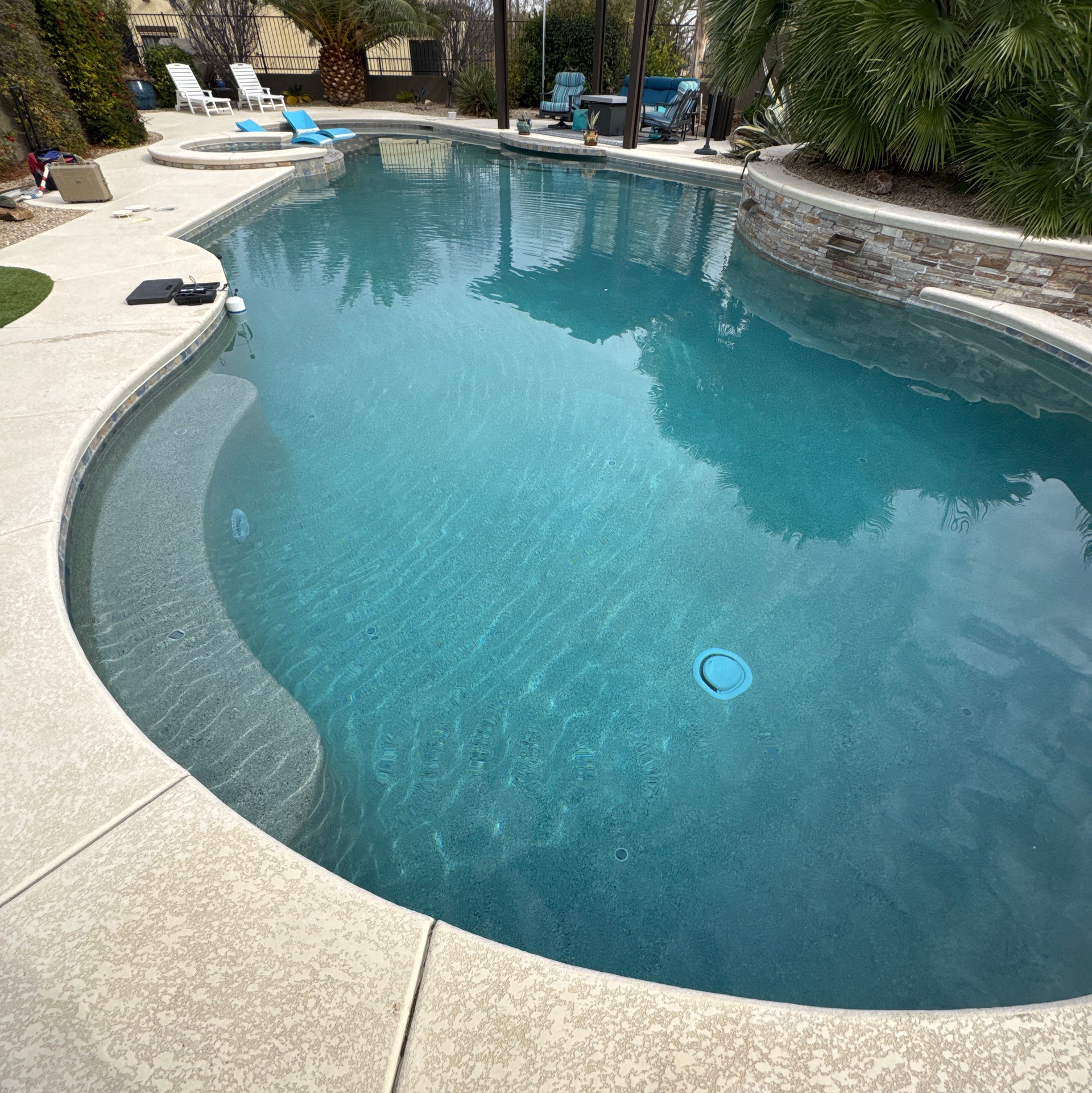
However, if your water level drops noticeably every few days or you find yourself constantly adding water, the loss may be greater than normal evaporation. A simple bucket test can provide a general indication of whether your pool may have a leak, but it cannot identify where the leak is located.
If excessive water loss continues, a professional inspection is often the next step.
Hidden Plumbing Leaks
Many pool leaks occur underground in the plumbing system.
Water travels through a network of pipes connecting the pool to the pump, filter, heater, and other equipment. Over time, fittings, joints, or underground pipes can develop leaks that allow water to escape whenever the system is operating.
Because these leaks are hidden beneath concrete or landscaping, they usually cannot be found through a simple visual inspection.
Equipment Can Leak Too
Not every leak is underground. Pool pumps, filters, valves, and other equipment contain seals and connections that can wear with age.
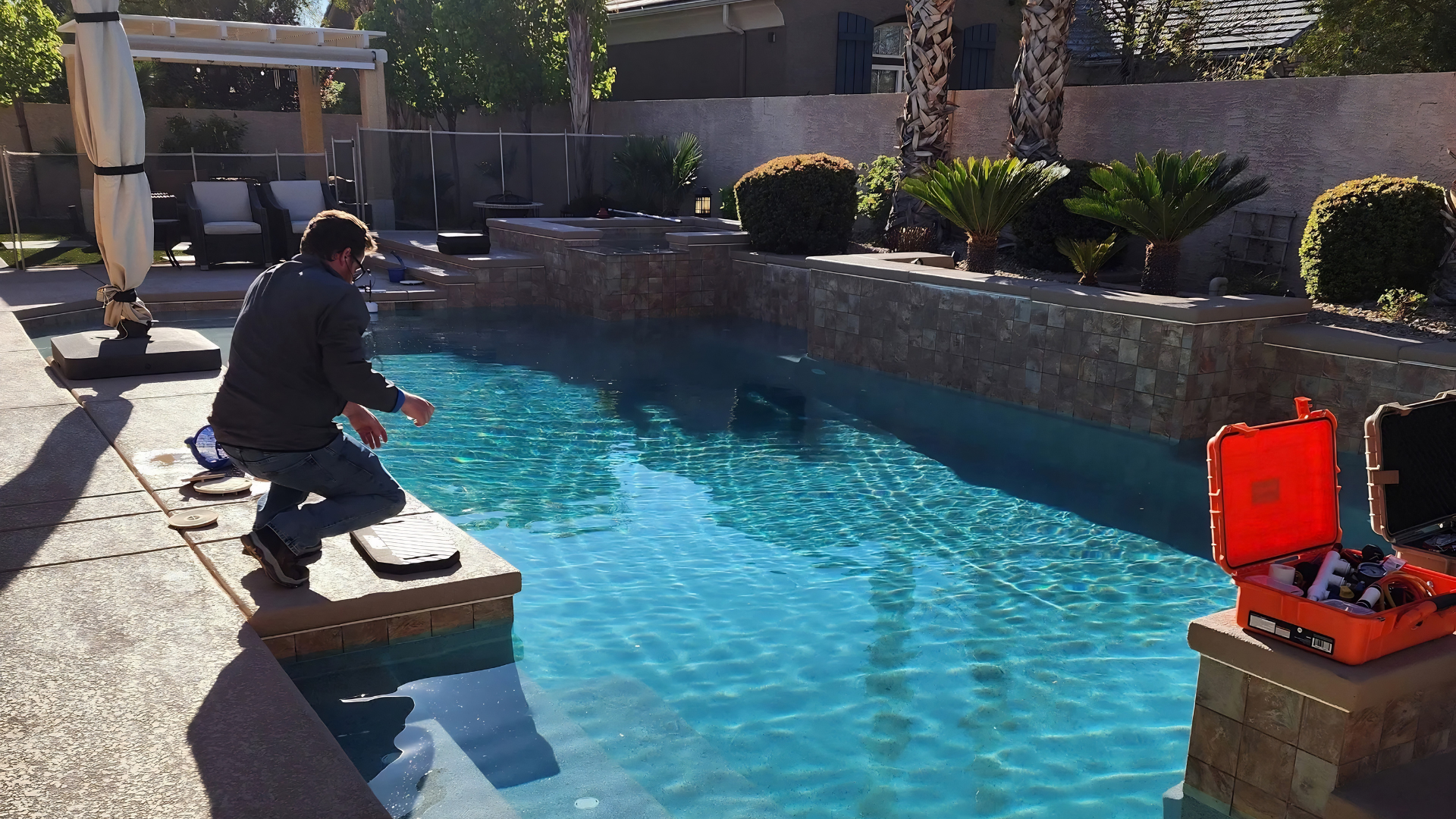
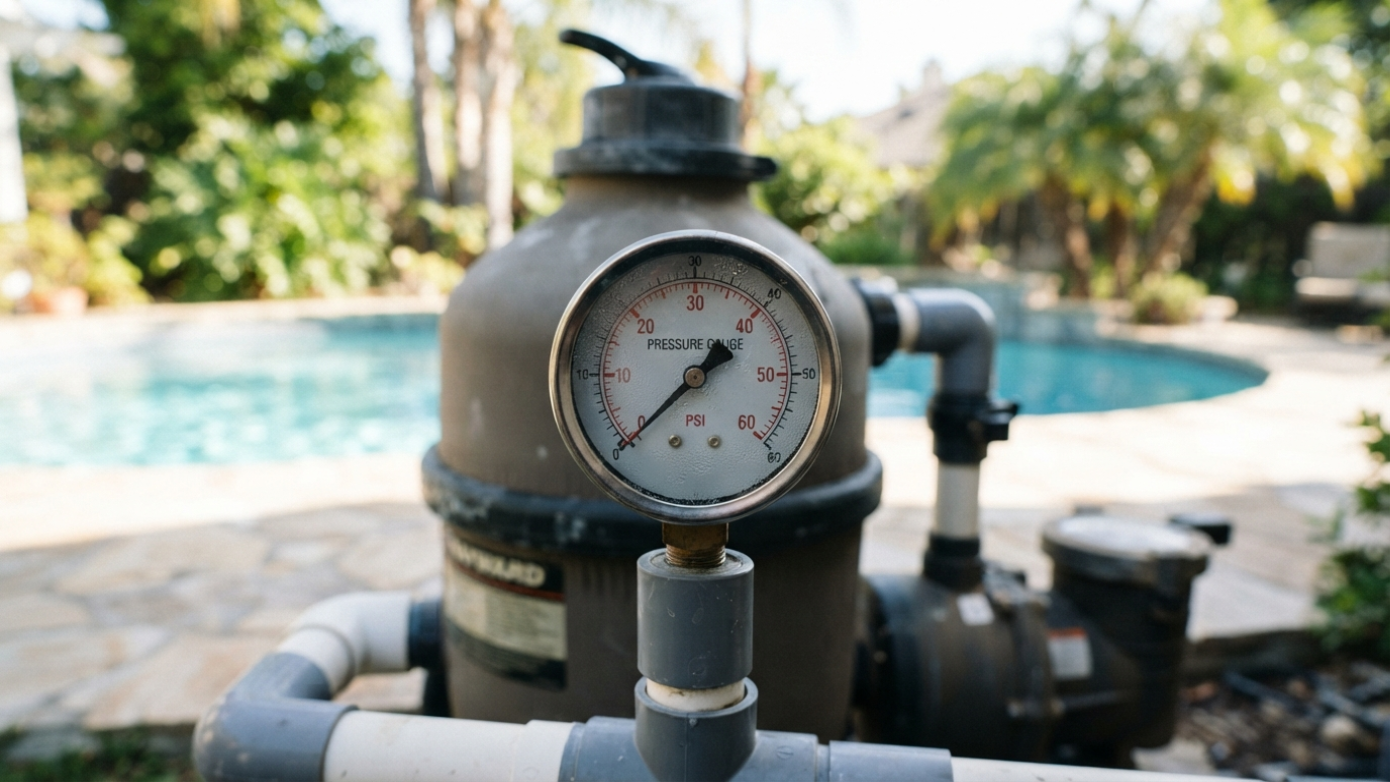
Sometimes these leaks only occur while the circulation system is running, making them difficult for homeowners to notice. A professional inspection includes the entire equipment pad as well as the pool itself to ensure every potential leak source is evaluated.
Using Dye to Locate Structural Leaks
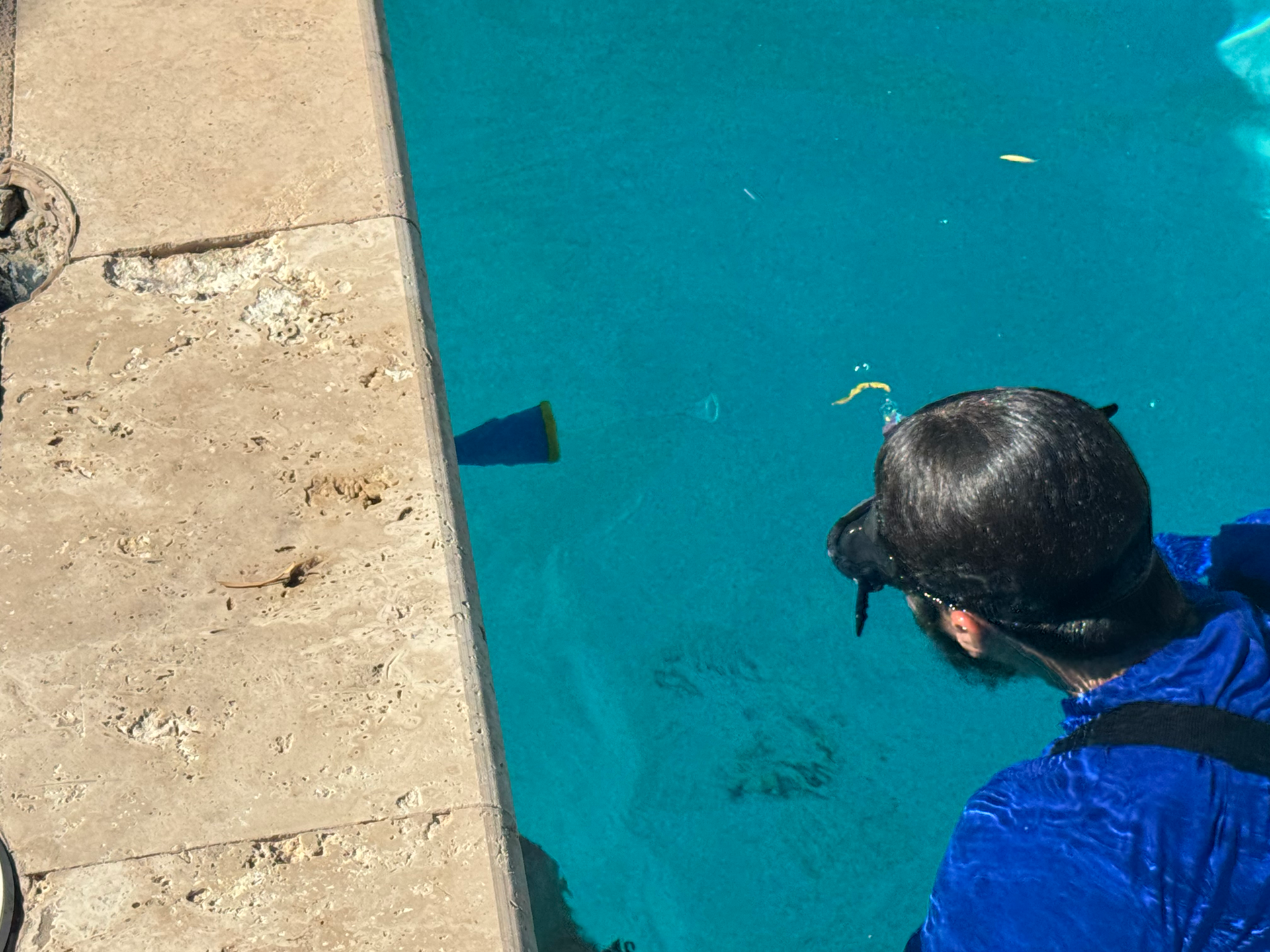
If the plumbing system appears to be functioning properly, technicians may perform a dye test.
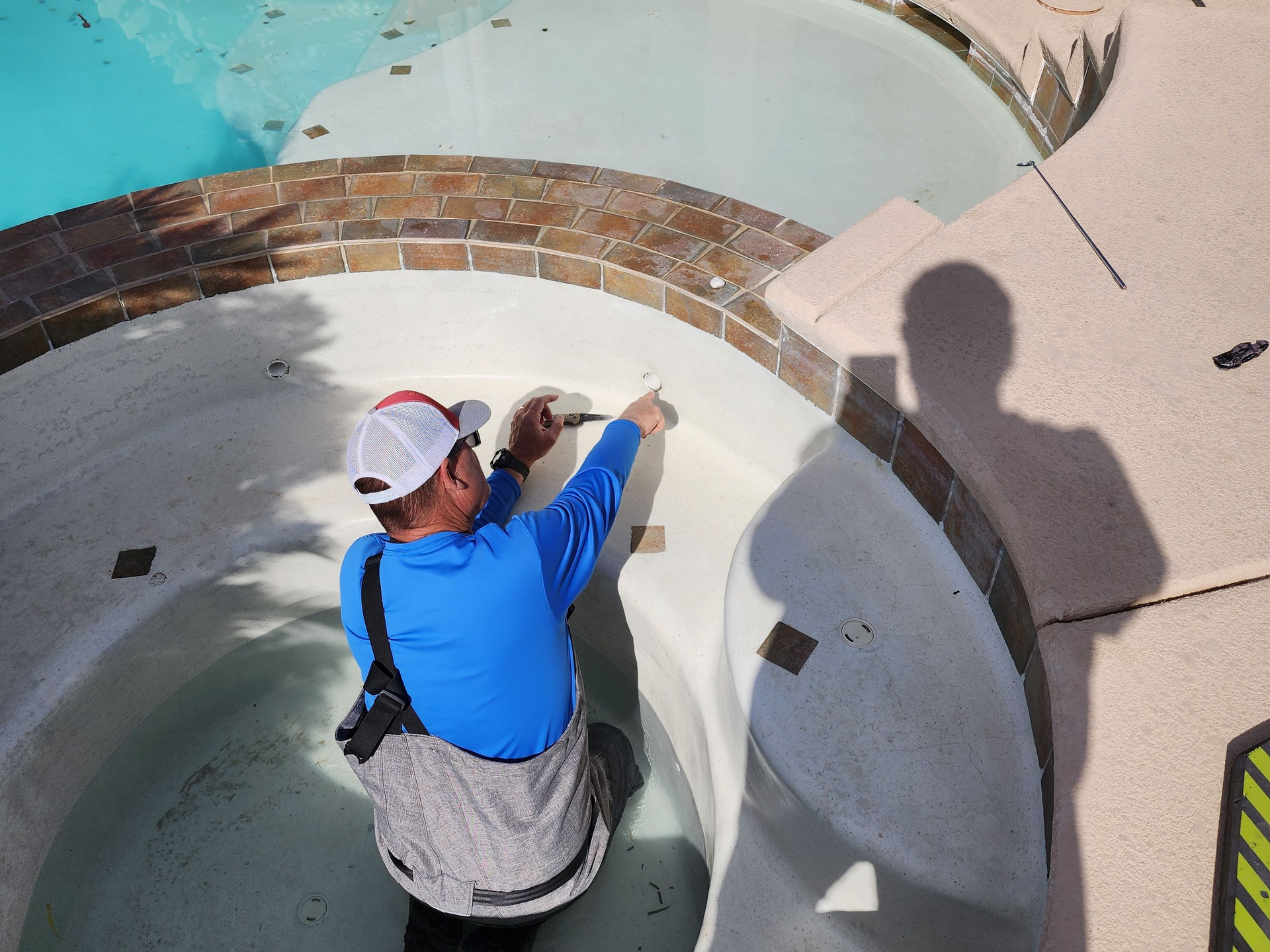
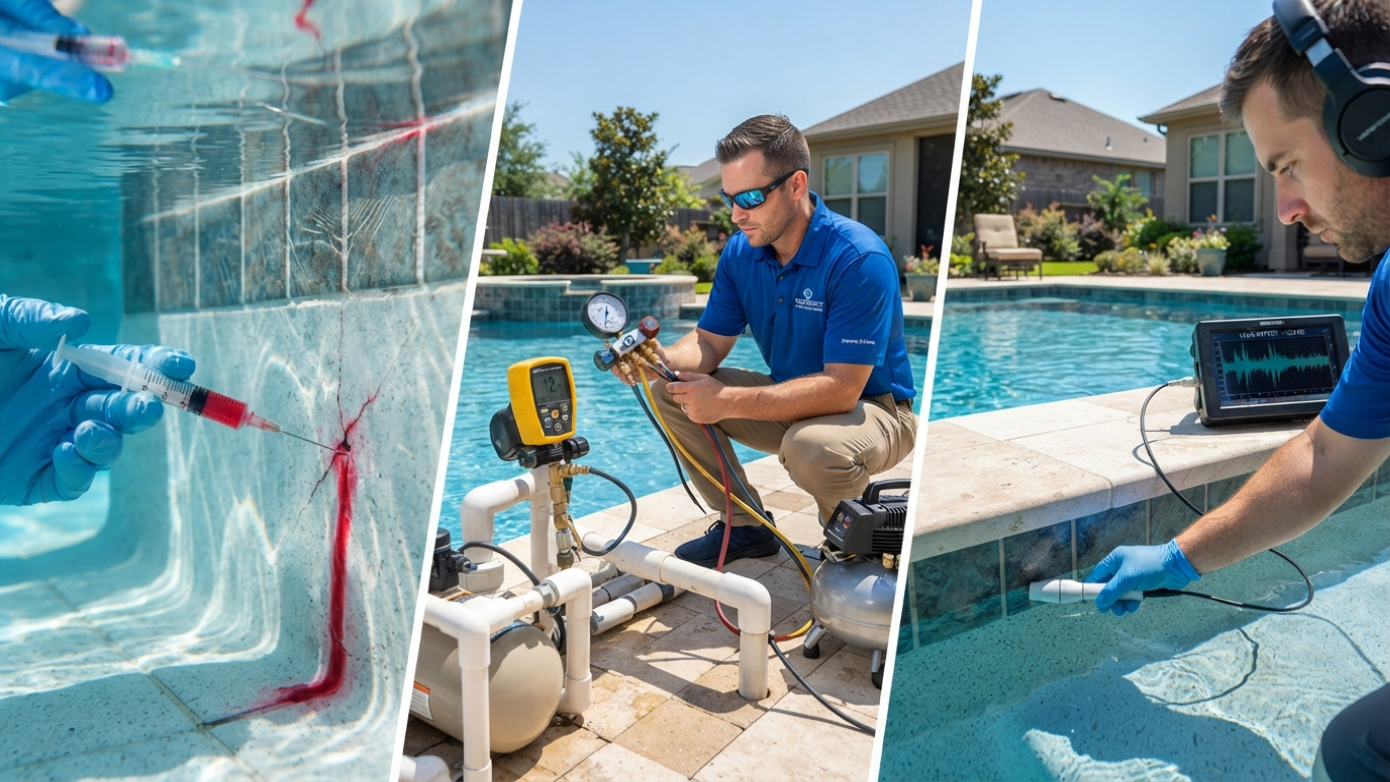
A specialized dye is placed near suspected leak locations, including cracks, skimmers, return fittings, lights, and other penetrations in the pool shell. If water is escaping, the dye is drawn toward the leak, allowing technicians to pinpoint the exact location.
This simple but effective technique helps identify structural leaks that may not be visible during a routine inspection.
Leakalyzer Technology Provides Accurate Measurements
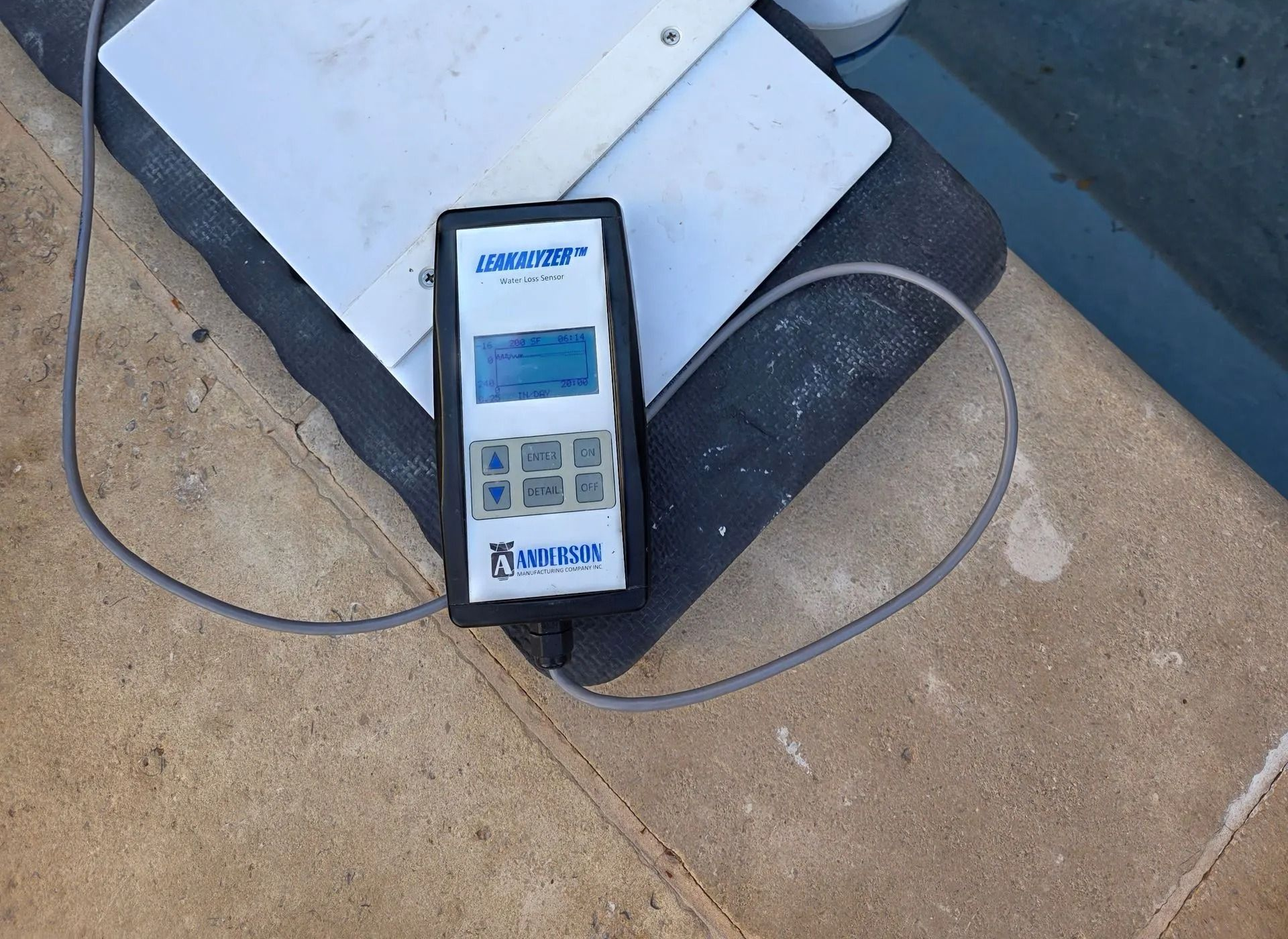
Hound Dog Leak Detection also uses the Leakalyzer® Rapid Water Loss Sensor, an advanced electronic device designed to measure very small changes in water level.
The Leakalyzer helps determine whether water loss is consistent with normal evaporation or indicates an active leak. When combined with isolation testing and dye testing, it provides valuable information that allows technicians to diagnose pool leaks accurately and efficiently.
Get Answers Before Water Loss Becomes a Bigger Problem
If your pool pump is running but your water level continues to drop, do not assume it is simply evaporation. Hidden plumbing leaks, equipment failures, or structural issues may all contribute to ongoing water loss.
Hound Dog Leak Detection provides professional pool leak inspections throughout the Las Vegas area using advanced diagnostic tools, including isolation testing, dye testing, and the Leakalyzer® Rapid Water Loss Sensor. Our experienced team accurately identifies the source of the leak so repairs can be made efficiently, helping protect your pool, equipment, and investment.