Do Spas and Hot Tubs Leak? Common Spa Leak Problems and How They Are Found

August 12, 2026

Yes, spas and hot tubs can leak, and the source is not always obvious. Because these systems contain multiple fittings, jets, pumps, valves, plumbing lines, and seals packed into a relatively small area, even a small failure can lead to steady water loss.


For homeowners in Las Vegas and throughout Southern Nevada, unexplained water loss deserves attention. Hound Dog Leak Detection helps identify leaks in pools, spas, and connected water systems using professional diagnostic methods designed to narrow down where the problem is occurring before repairs begin.

Child leaning over a round fountain basin with floating toys, viewed from above in a sunny plaza

What Are the Most Common Causes of Spa Leaks?

Spa leaks can develop in several different places.


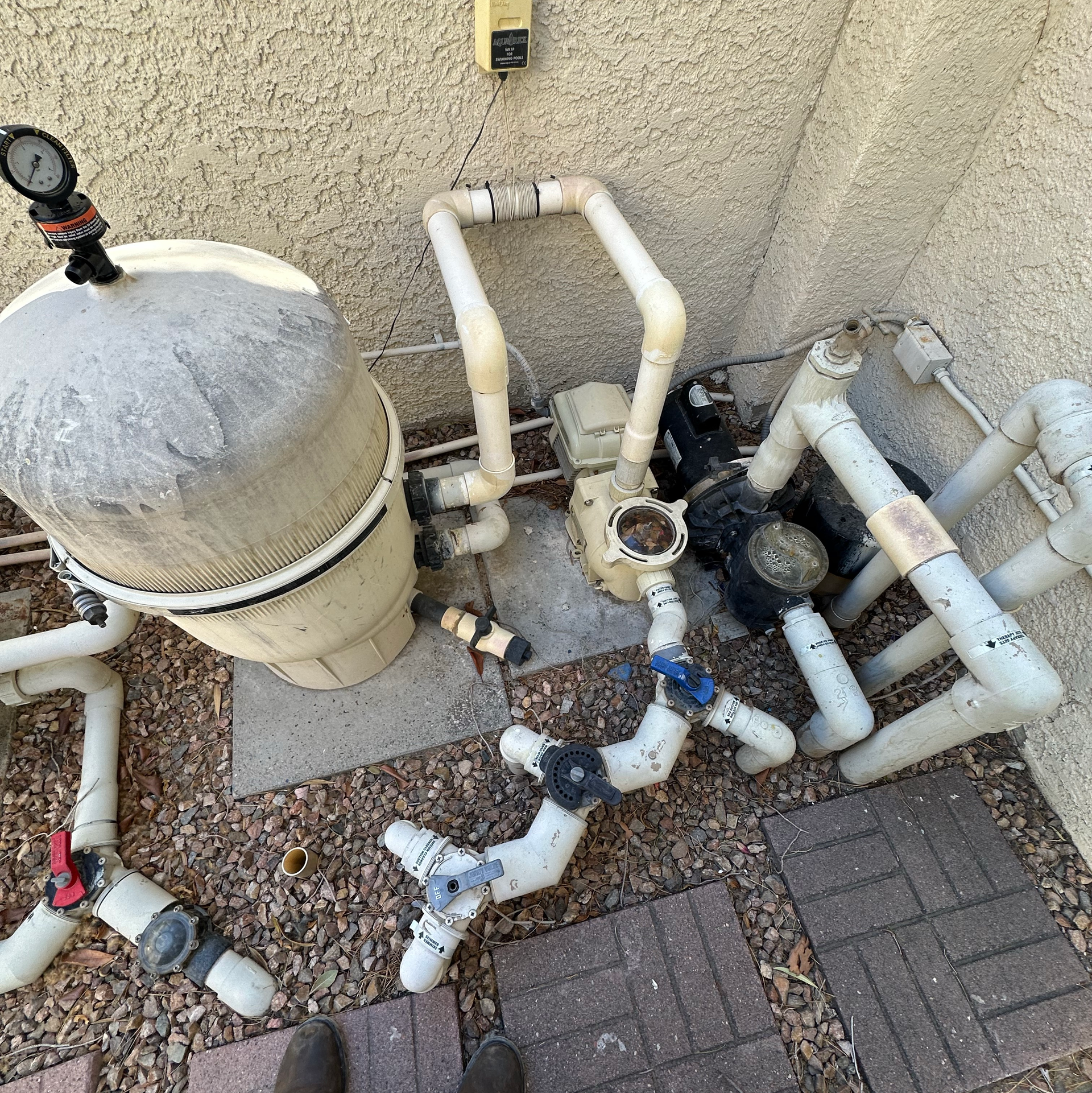
Common sources include worn pump seals, loose unions, cracked plumbing fittings, damaged jet bodies, leaking valves, deteriorated gaskets, and small cracks in the spa shell. Connections around heaters and filters can also develop leaks over time.


Because many of these components are hidden behind equipment panels or beneath the spa, the leak may not be visible from the outside.


A small amount of water collecting near the equipment pad can sometimes provide an early clue, but other leaks remain concealed until water loss becomes more noticeable.


Can a Spa Leak Even When the Equipment Is Off?

Yes. Some spa leaks continue whether the pump is operating or not.


If the leak is located in the shell, a fitting, or a plumbing line below the water level, gravity may allow water to escape even when the circulation system is off.


Other leaks may occur primarily when the pump is running because the plumbing is under pressure. For example, a damaged fitting or return line may leak more noticeably while water is being circulated.


Comparing water loss with the equipment running and turned off can provide useful information when narrowing down the source.


What If the Pool and Spa Are Connected?

Attached spas can make leak detection more complicated because water may move between the pool and spa through shared plumbing, valves, spillways, or circulation systems.


A falling spa level does not always mean the leak is physically inside the spa. A valve problem or plumbing issue may allow water to drain back into the pool or escape elsewhere within the system.


Hound Dog Leak Detection may use isolation testing to separate individual plumbing lines, water features, or connected bodies such as a pool and spa. This helps determine which portion of the system is responsible for the water loss.


How Are Spa Leaks Found?

Professional leak detection typically involves narrowing the problem down step by step rather than guessing.


Visual inspection is often the starting point. Pumps, filters, valves, heaters, plumbing connections, and accessible fittings can be checked for moisture, corrosion, or visible water movement.


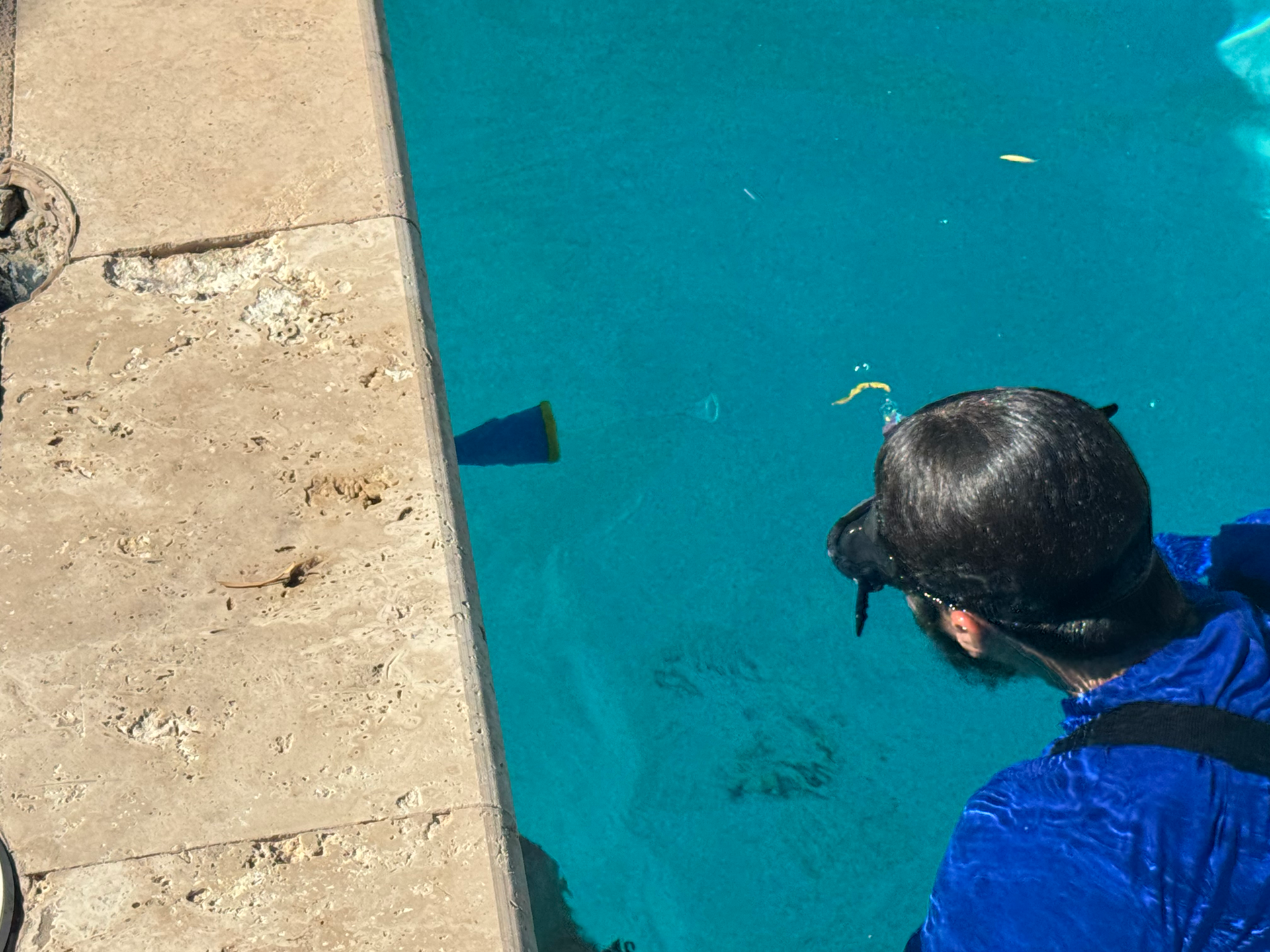
Dye testing may be used around suspected areas such as jets, cracks, fittings, lights, or other penetrations. When the water is calm, the movement of the dye can help reveal whether water is being drawn into a leak.


For more difficult cases, additional testing can help determine whether water loss is occurring through plumbing or the spa structure.


Can Small Water Loss Be Mistaken for Evaporation?

Absolutely.


Las Vegas has a hot, dry climate, and evaporation can account for noticeable water loss, particularly during periods of high temperatures, low humidity, and wind. Heated spas may also lose water more rapidly through evaporation than an unheated pool.


The challenge is determining whether the amount of water loss is normal or excessive.


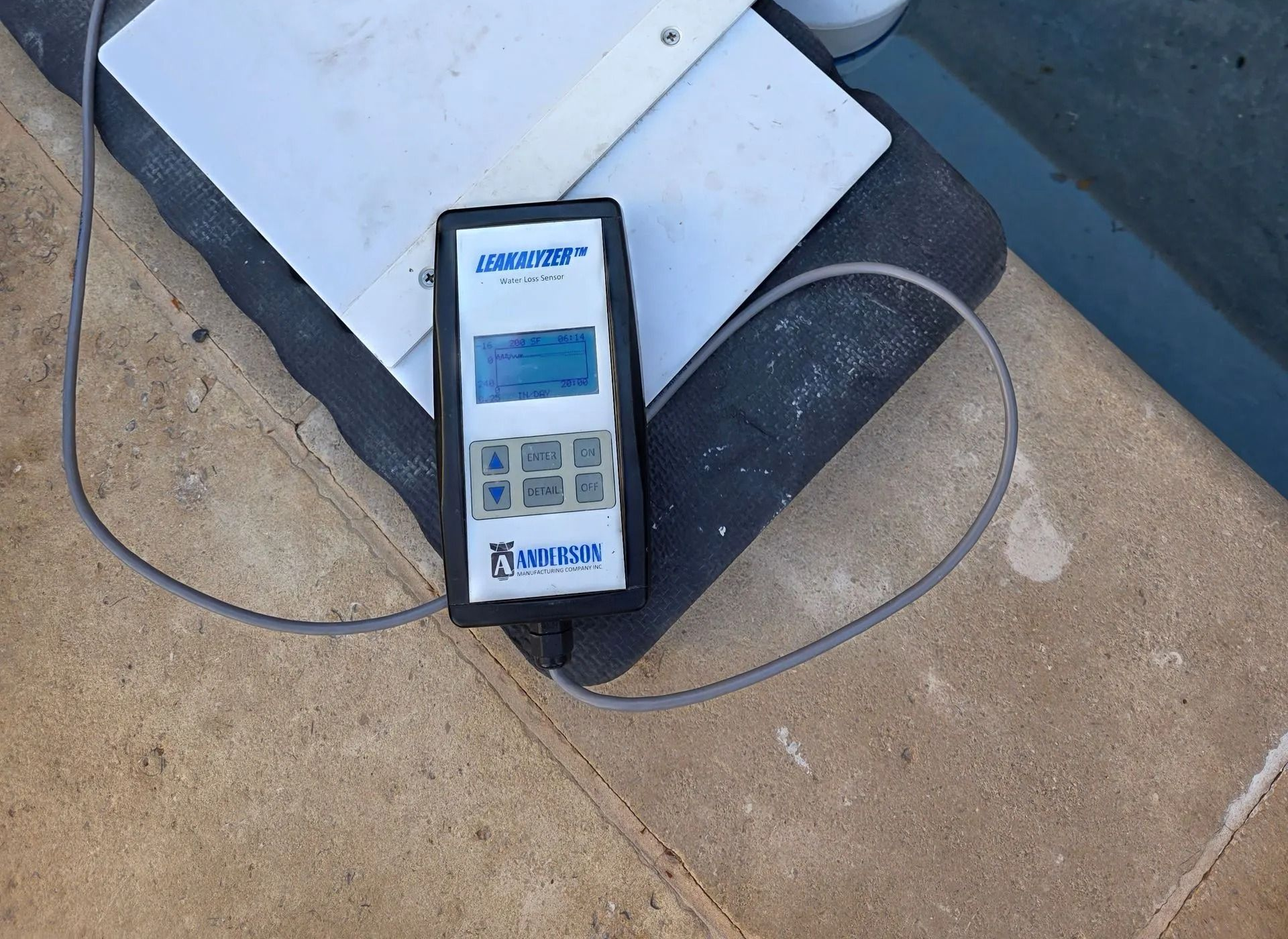
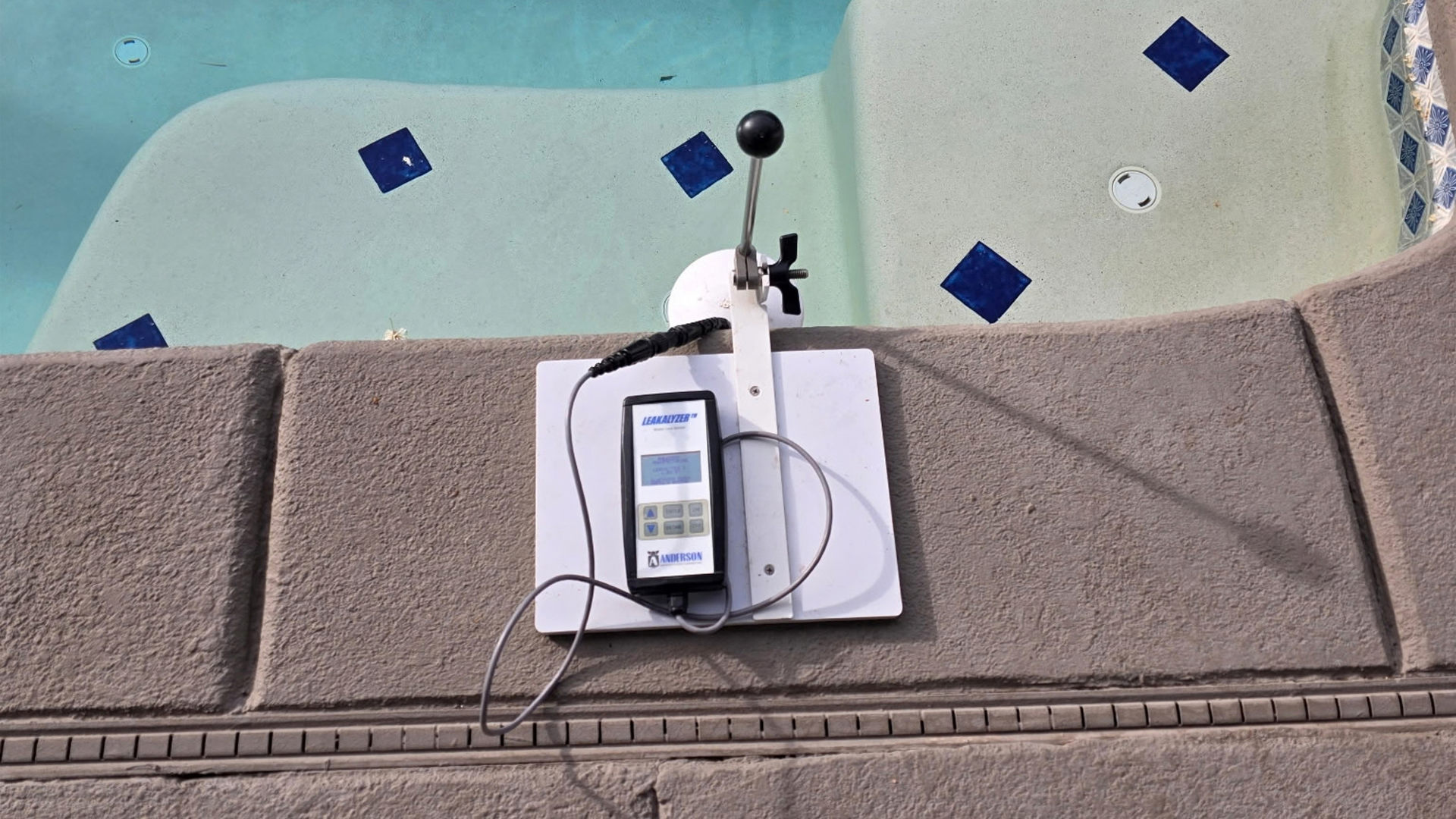
Hound Dog Leak Detection can use a Leakalyzer® Rapid Water Loss Sensor to measure extremely small changes in water level over a short period. This can help establish the actual rate of loss and determine whether further leak investigation is warranted.


Why Should Spa Leaks Be Repaired Promptly?

Even a small leak can create problems if it continues for an extended period.


Escaping water may increase utility costs, place additional demand on equipment, and potentially affect surrounding materials or soil. In a connected pool-and-spa system, the leak can also make it difficult to maintain proper water levels and circulation.


Repeatedly adding water may mask the symptom without addressing the source.


Finding the leak accurately allows the repair to focus on the actual problem rather than replacing parts unnecessarily.


When Should You Call a Leak Detection Specialist?

If your spa repeatedly loses water, requires frequent refilling, develops unexplained wet areas, or loses water even when the equipment is off, professional testing may be appropriate.


Hound Dog Leak Detection provides pool and spa leak detection and repair throughout the Las Vegas area. Using methods such as isolation testing, dye testing, equipment inspection, and Leakalyzer® water-loss measurement, the team works to pinpoint hidden problems before recommending repairs. If your hot tub or spa is losing more water than expected, contact Hound Dog Leak Detection for a professional evaluation.
September 22, 2026
A dropping pool water level can tempt homeowners to try a quick fix. Adding sealant, tightening a fitting, replacing a gasket, or patching a visible crack may seem like an easy way to solve the problem. Sometimes a simple repair does work. The difficulty is that the visible symptom is not always the true source of the leak. Pool systems contain plumbing lines, fittings, skimmers, drains, lights, equipment, and structural components that can all lose water in different ways. That is why DIY repairs often fail when the source has not been identified first.
September 21, 2026
A small pool leak may not seem urgent. If the water level drops slowly, it can be tempting to simply add more water and assume the problem can wait.  Unfortunately, even a relatively small leak can create larger problems when it continues over time. Water escaping from a pool shell, plumbing line, fitting, skimmer, or equipment connection does not simply disappear. It can move into the surrounding soil, interfere with water chemistry, and affect how pool equipment operates. In Las Vegas, where homeowners already expect some water loss from evaporation, distinguishing normal evaporation from an actual leak is especially important.
September 8, 2026
Pool water loss in Las Vegas can be difficult to interpret. High temperatures, low humidity, wind, heavy pool use, and normal evaporation can all cause the water level to drop. At the same time, an actual leak can quietly waste significant amounts of water if it is not identified.  That is why local experience matters. A leak detection specialist who understands Southern Nevada conditions is better positioned to separate normal environmental water loss from patterns that deserve further testing.
September 1, 2026
Pool water levels naturally rise and fall, especially in Las Vegas. Heat, wind, low humidity, splashing, and normal evaporation can all cause water loss. However, if you find yourself repeatedly adding water to the pool, notice an unexplained increase in your water bill, or receive a continuous-flow notification from your water provider , a leak may be worth investigating.  Before calling a professional, homeowners can perform several simple checks that may help determine whether the water loss appears normal or whether professional pool leak detection is the next step.
August 25, 2026
When a swimming pool is losing water, the first question is not always “Where is the leak?” Before searching plumbing lines, fittings, lights, skimmers, or the pool shell, it is important to determine whether the pool is actually losing water at an abnormal rate.  Hound Dog Leak Detection uses the Leakalyzer® Rapid Water Loss Sensor as part of its diagnostic process throughout Las Vegas and Southern Nevada. The device provides precise, real-time information about water loss, helping technicians confirm whether a leak exists and develop a more focused plan for locating and addressing it.
August 21, 2026
Pool water levels naturally rise and fall, but Las Vegas weather can make those changes especially noticeable. Extreme heat, low humidity, wind, and sudden temperature shifts can all increase evaporation. At the same time, unusual water loss can also signal a leak.  The challenge for homeowners is knowing when changing weather is responsible and when the pool needs professional testing. Hound Dog Leak Detection helps Las Vegas-area pool owners distinguish normal evaporation from active water loss using professional tools and targeted leak detection methods.
August 7, 2026
If your pool pump is running normally but your pool continues losing water, it is easy to assume the pump is causing the problem. In reality, the pump is often just one part of a larger circulation system where hidden leaks can occur. While some water loss from evaporation is normal—especially during the hot Las Vegas summer —a pool that requires frequent refilling may have a leak that needs professional attention.  Finding the source of the water loss early can help prevent higher water bills, unnecessary chemical use, equipment damage, and costly repairs. Hound Dog Leak Detection specializes in locating hidden pool leaks using advanced diagnostic equipment and proven testing methods.
August 3, 2026
If your swimming pool seems to be losing more water than normal, you may be wondering whether evaporation is to blame or if you have an actual leak. While some water loss is expected, excessive water loss can lead to higher utility bills, damage to your pool or surrounding property, and unnecessary water waste—an especially important concern in Southern Nevada.  At Hound Dog Leak Detection, we use specialized equipment and proven diagnostic techniques to accurately identify the source of pool leaks. Here are answers to some of the questions homeowners ask most often about the inspection process.
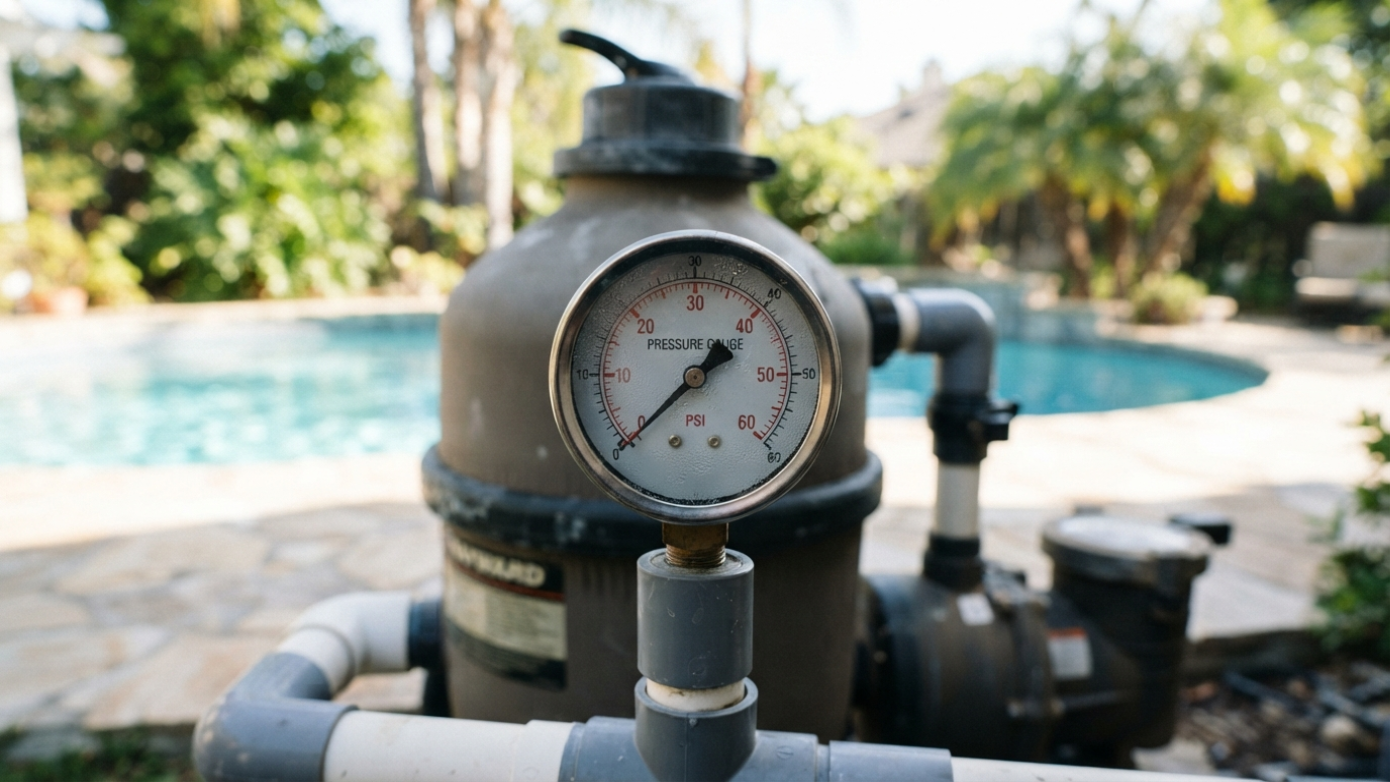
Pressure gauge on pool filtration system with pipes beside a swimming pool, outdoors.
July 31, 2026
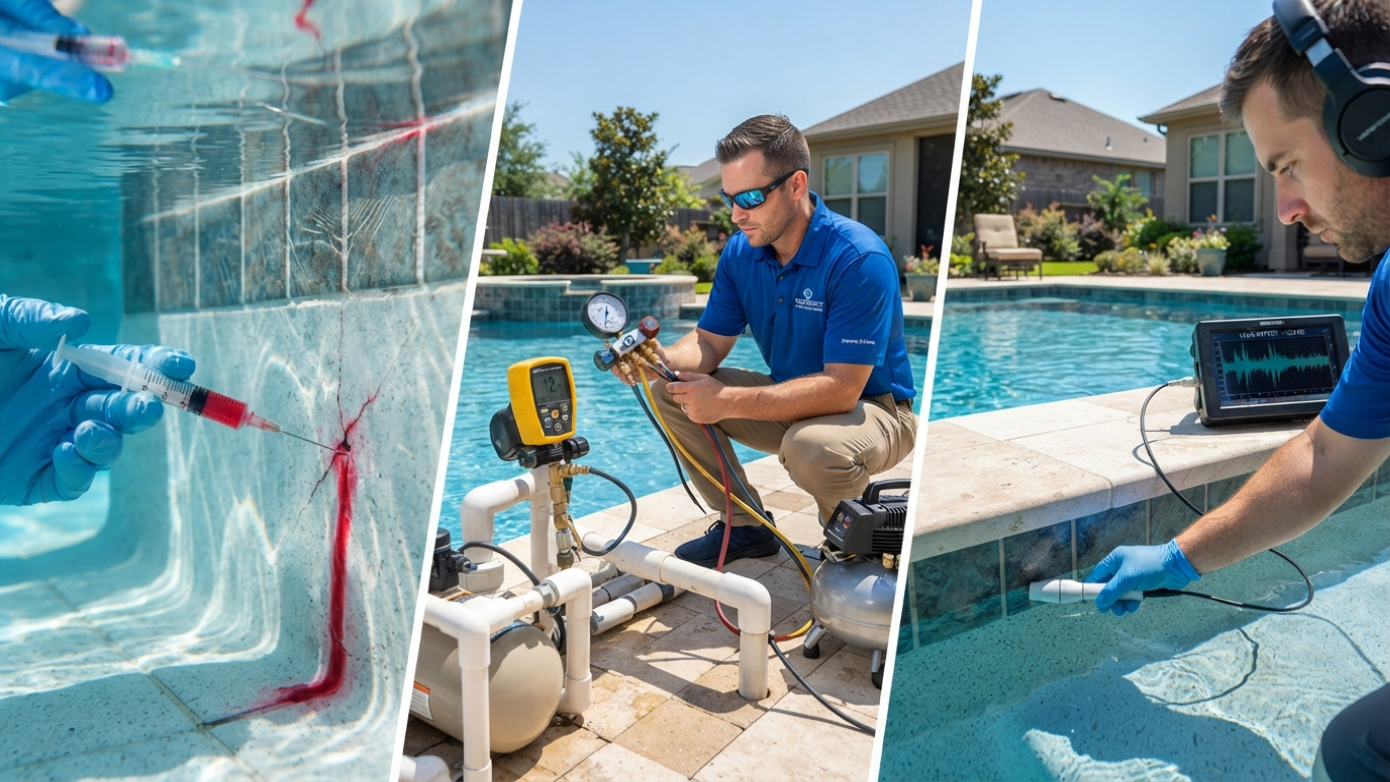
Learn how experts use dye testing, pressure testing, and electronic detection to find hidden pool leaks and protect your pool from costly damage.
Technician inspecting a swimming pool with a digital meter and skimmer net, checking water quality and surface debris
July 31, 2026
Learn how experts use dye testing, pressure testing, and electronic detection to find hidden pool leaks and protect your pool from costly damage.