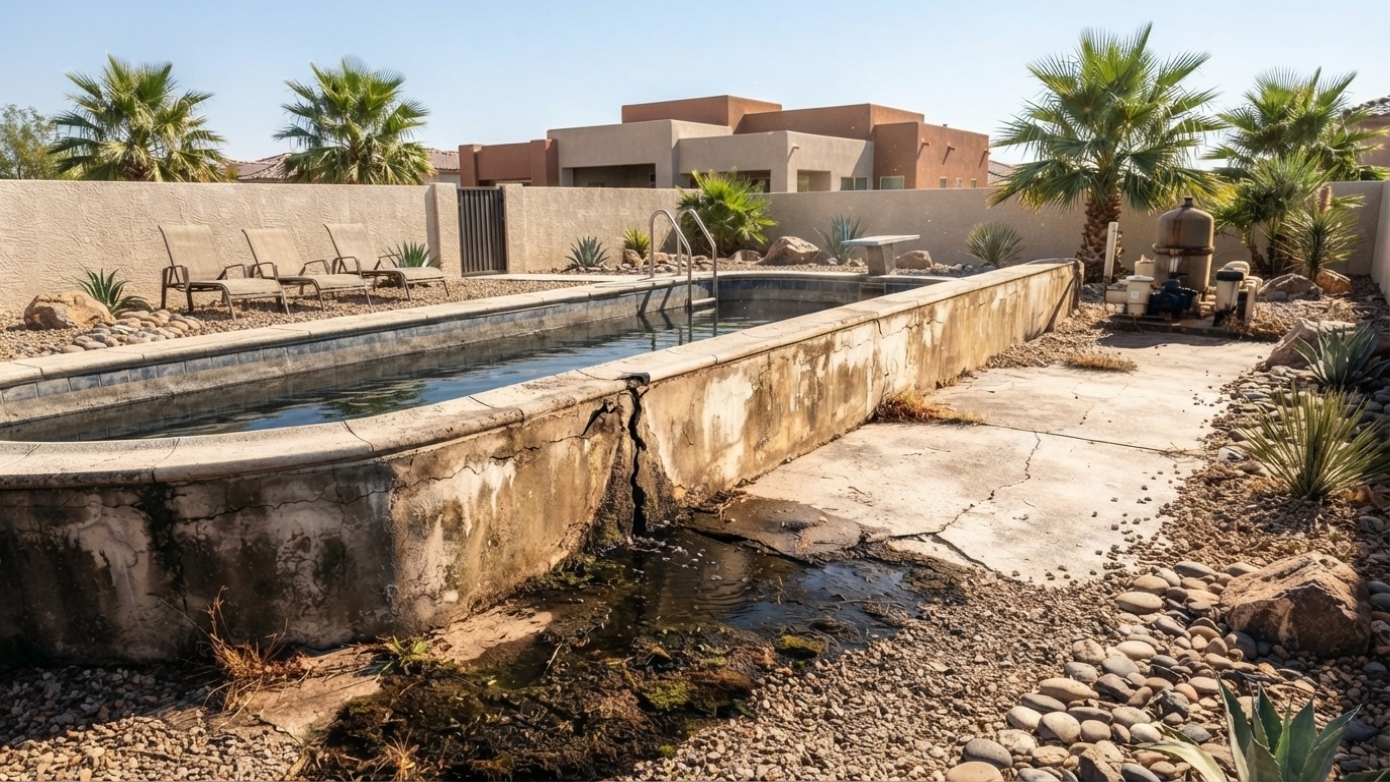
Dye Testing, Pressure Testing, and Electronic Detection: How Experts Find Pool Leaks
A pool leak can be frustrating to deal with, especially when the source of the problem is not immediately visible. Water loss may seem like a simple maintenance issue, but hidden leaks can waste thousands of gallons of water, increase utility costs, and create damage to your pool structure or surrounding property.
Finding the exact location of a pool leak requires more than a visual inspection. Professional pool leak detection specialists use advanced methods such as dye testing, pressure testing, and electronic detection to identify where water is escaping and determine the best repair approach.
At Hound Dog Leak Detection, we use proven techniques to locate hidden pool leaks accurately, helping homeowners avoid unnecessary repairs and protect their pool investment.
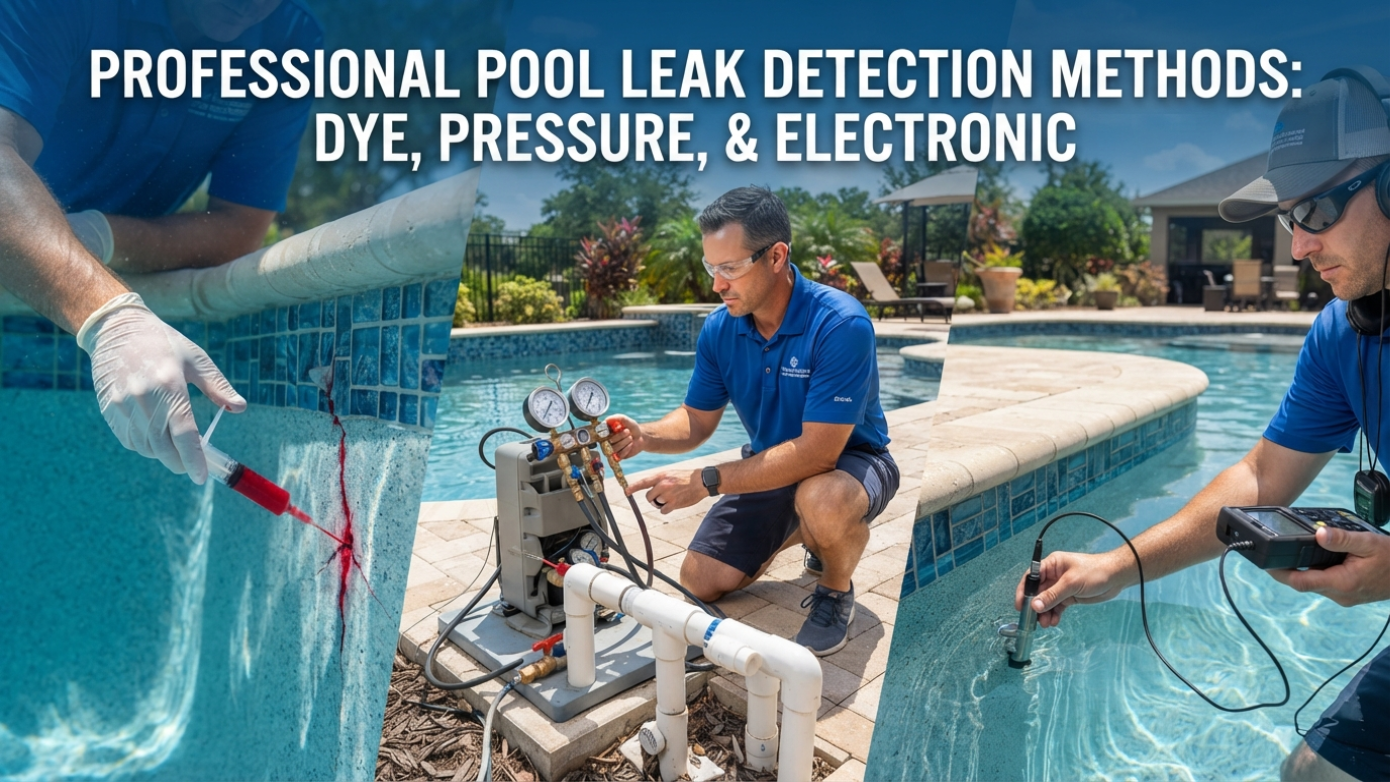
Why Pool Leaks Are Difficult to Find
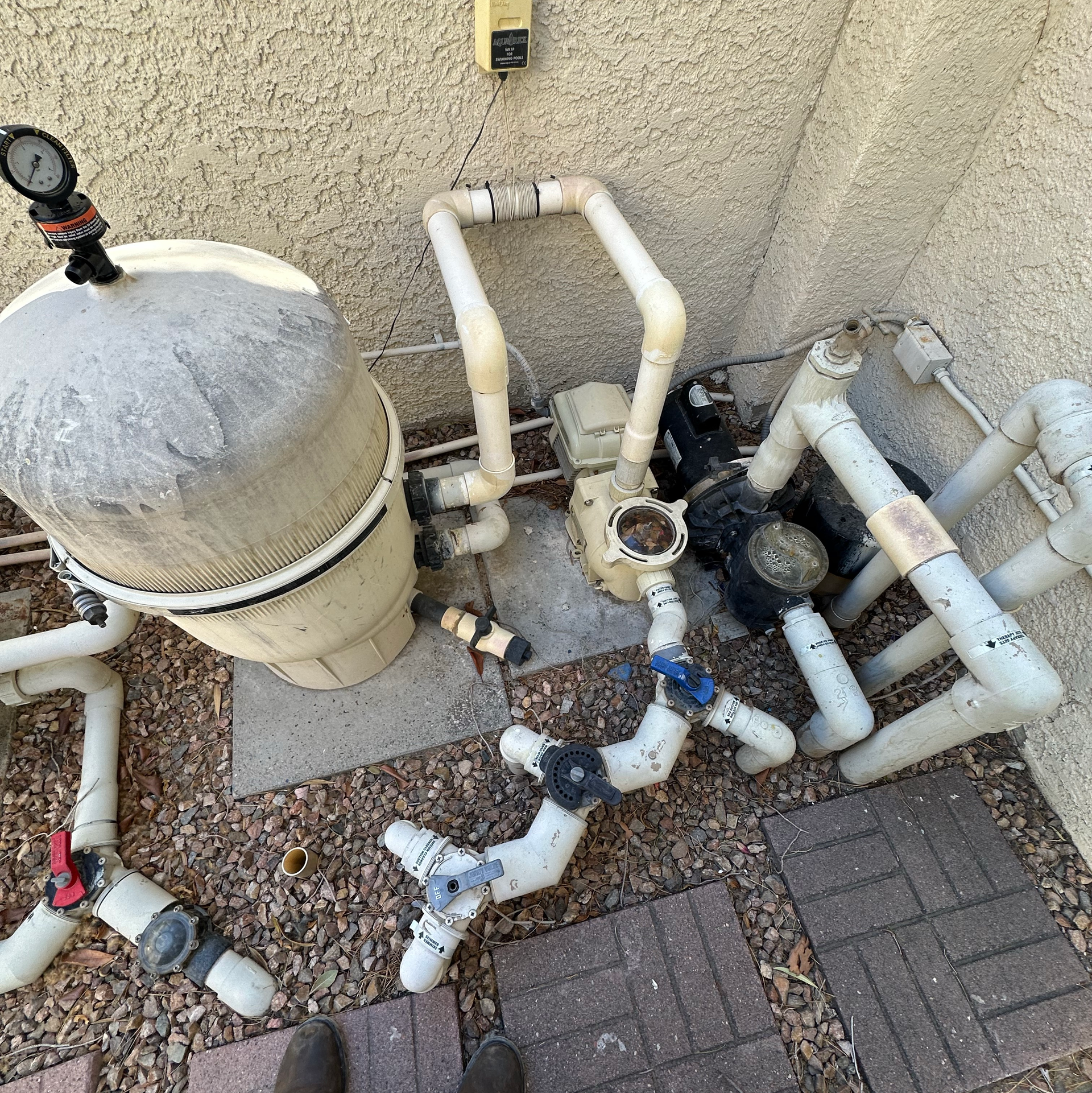
Pools are made up of many connected components, including plumbing lines, drains, filters, pumps, lights, skimmers, and structural surfaces. A leak can develop in any of these areas, and many problems occur underground or behind pool finishes where they are difficult to see.
Common signs of a pool leak include:
- Water levels dropping faster than normal
- Higher water bills
- Cracks or visible damage around the pool
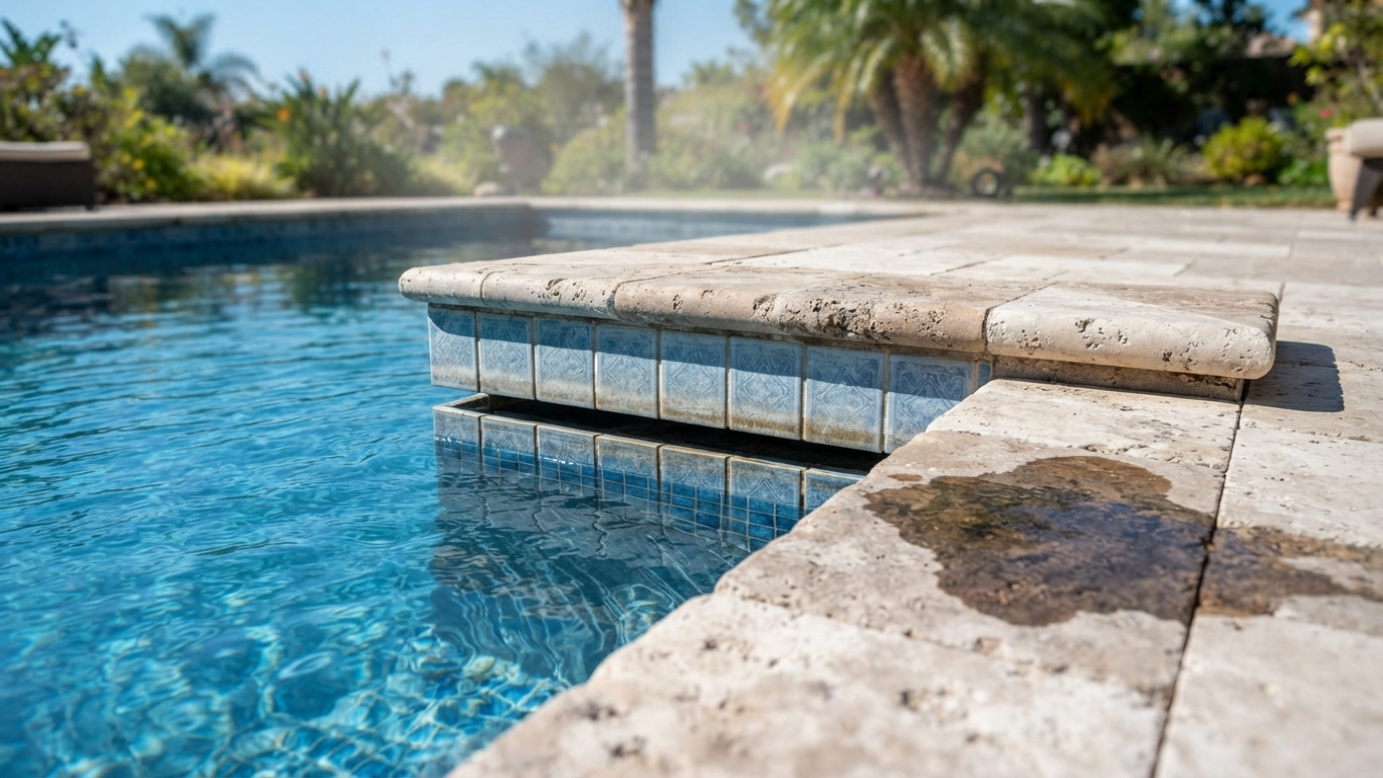
- Wet areas near the pool deck or yard
- Air bubbles in return lines
- Pool equipment losing efficiency
- Frequent chemical adjustments
Because leaks can occur in different parts of the pool system, professional testing methods are often needed to identify the exact cause.
Dye Testing: Locating Small Structural Leaks
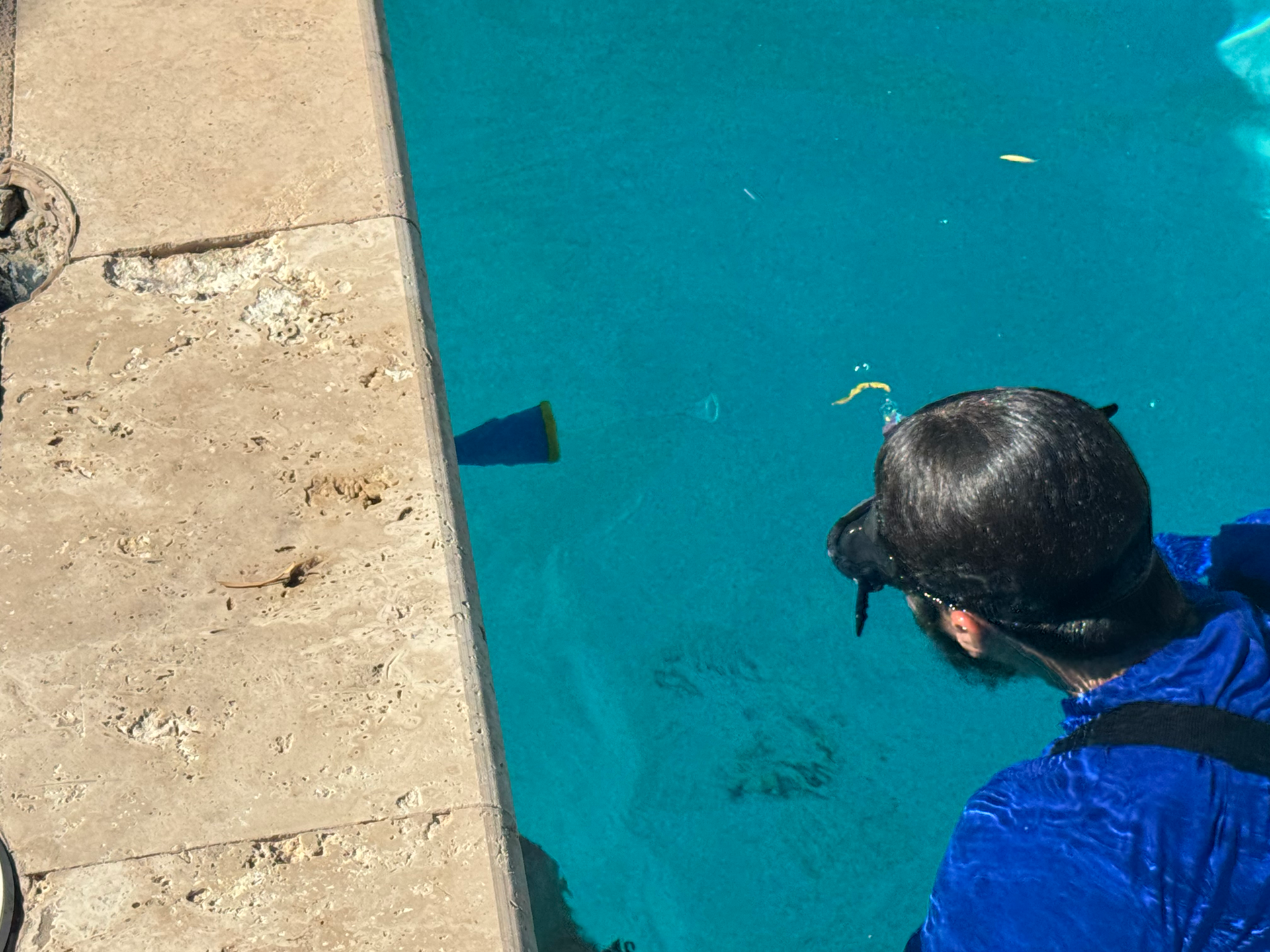
Dye testing is one of the most effective methods for identifying small leaks in visible areas of a pool. This technique uses a specialized leak detection dye that helps reveal where water is moving through cracks, gaps, or damaged components.
During a dye test, technicians carefully introduce dye near suspected leak points, such as:
- Pool cracks
- Skimmer areas
- Return fittings
- Main drains
- Pool lights
- Steps and corners
If there is a leak, the movement of water will draw the dye toward the damaged area, making the leak easier to identify.
Dye testing is especially useful for finding small structural leaks that may not be noticeable during a standard inspection. It allows technicians to confirm the exact location of a problem before repairs begin.
Pressure Testing: Checking Pool Plumbing Lines
Many pool leaks occur in underground plumbing lines, making them difficult to detect without specialized equipment. Pressure testing helps determine whether a plumbing line is damaged or losing water.
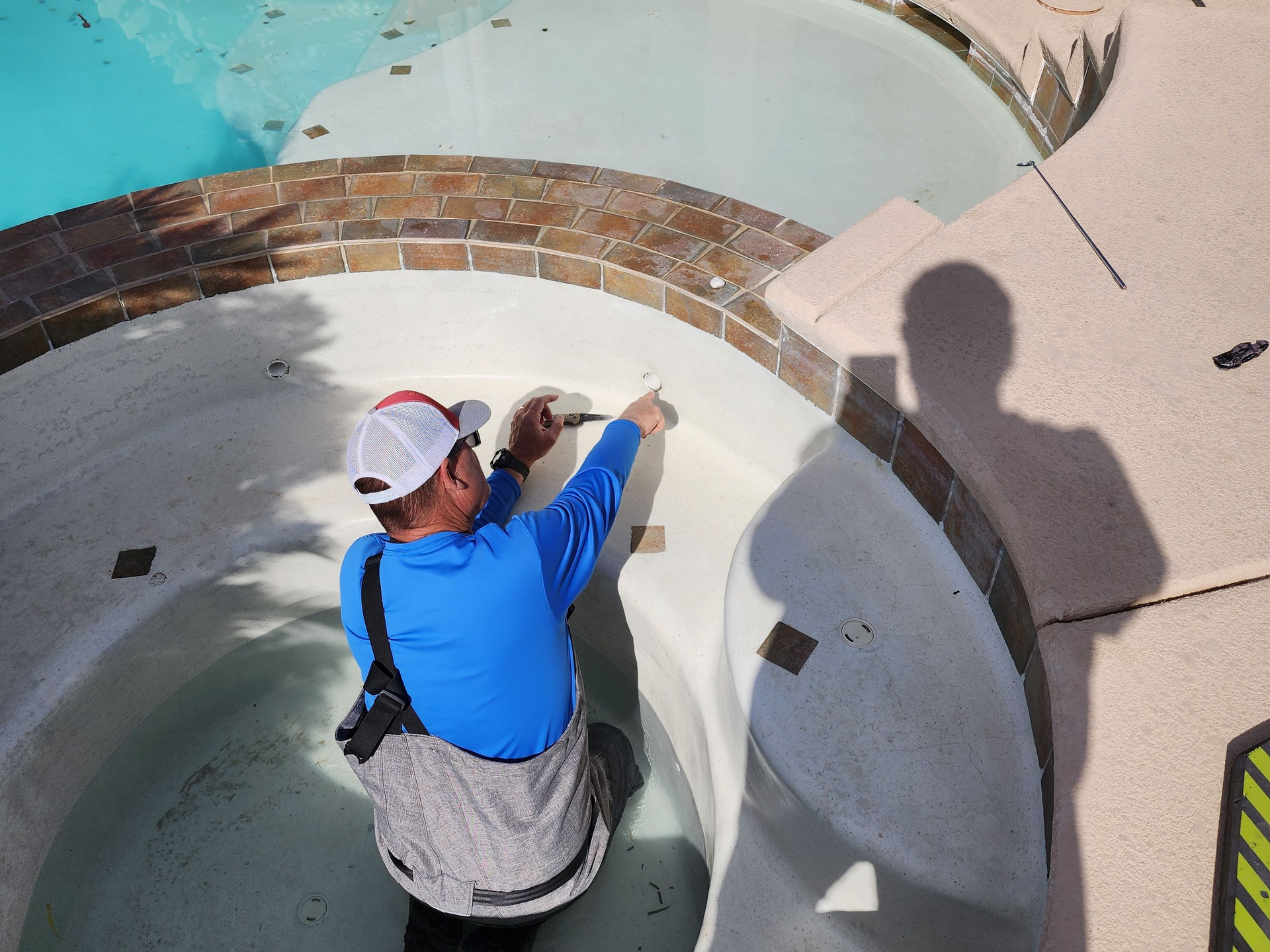
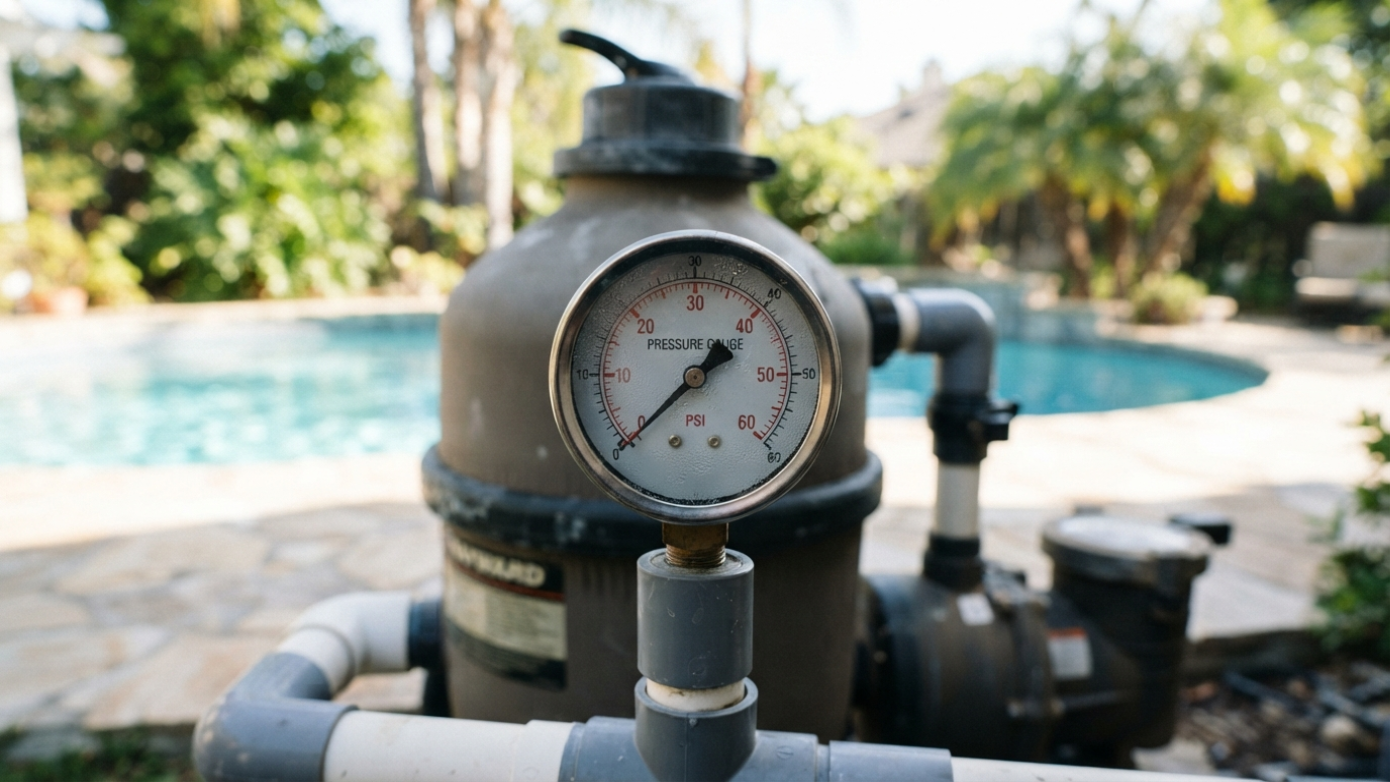
During a pressure test, technicians isolate individual sections of the pool plumbing system and apply controlled air or water pressure. The line is then monitored to see whether it maintains pressure.
If pressure drops, it can indicate a leak within that specific section of plumbing.
Pressure testing helps identify issues with:
- Underground pipes
- Return lines
- Suction lines
- Skimmer plumbing
- Drain lines
- Equipment connections
By narrowing down the problem area, technicians can recommend targeted repairs instead of unnecessary excavation or replacement work.
Electronic Detection: Finding Hidden Underground Leaks
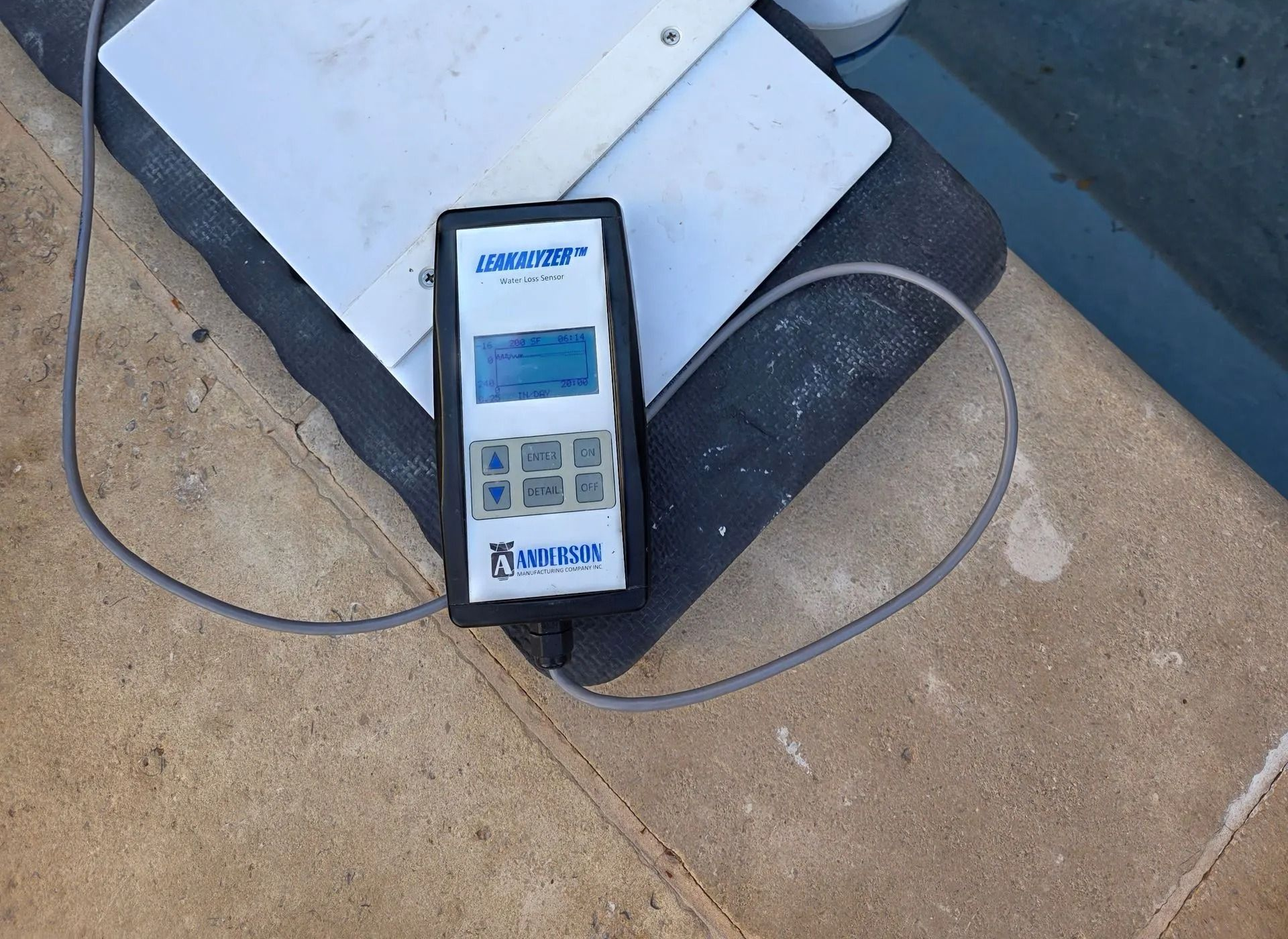
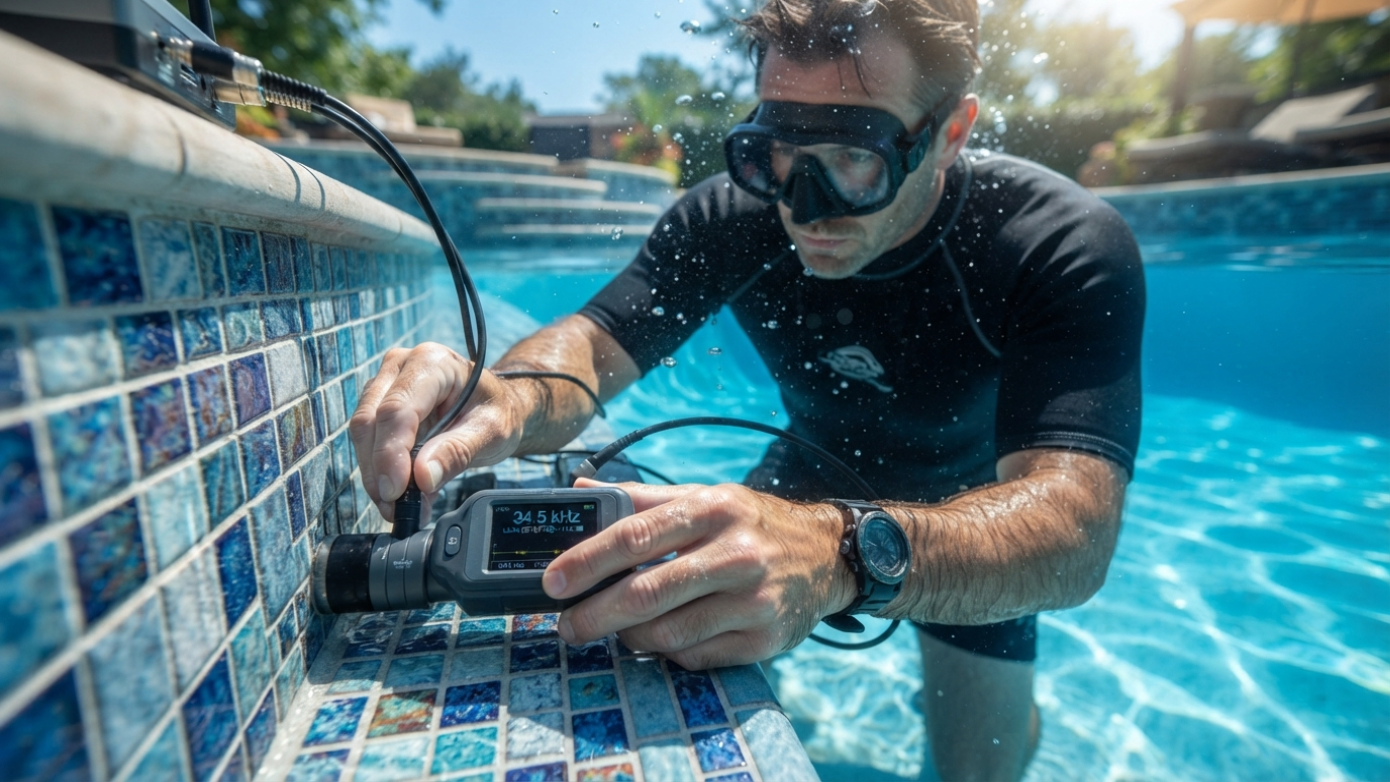
Electronic leak detection equipment allows professionals to locate leaks that cannot be seen or easily accessed. This technology uses sensitive listening devices to detect the sound of water escaping from underground pipes or hidden areas.
When water escapes from a damaged pipe, it creates subtle sounds as it moves through cracks or openings. Electronic detection tools amplify these sounds, helping technicians pinpoint the leak location.
This method is especially valuable for:
- Leaks beneath concrete pool decks
- Underground plumbing issues
- Hard-to-access areas
- Small leaks with no visible signs
Electronic detection reduces guesswork and allows professionals to find leaks with greater accuracy.
Why Professional Leak Detection Matters
Trying to locate a pool leak without the right tools can lead to wasted time and unnecessary repairs. A visible symptom does not always reveal the true source of the problem. For example, water appearing in one area may actually be caused by a leak several feet away.
Professional pool leak detection combines multiple testing methods to create a complete understanding of the issue. By using dye testing, pressure testing, electronic detection, and thorough inspections, experts can locate leaks efficiently and recommend the appropriate solution.
Protect Your Pool With Hound Dog Leak Detection
A hidden pool leak can become a costly problem if ignored. The sooner a leak is identified, the easier it is to prevent water waste, protect your property, and avoid more extensive repairs.
Hound Dog Leak Detection provides professional pool leak detection services using reliable testing methods designed to accurately locate hidden leaks. Whether the issue is in your pool structure, plumbing system, or equipment, our team can help determine what is causing water loss and what steps should be taken next.
If you suspect your pool has a leak, professional detection can help you find the problem before it leads to bigger issues.