How Professional Pool Leak Detection Works: Methods Used to Find Hidden Leaks
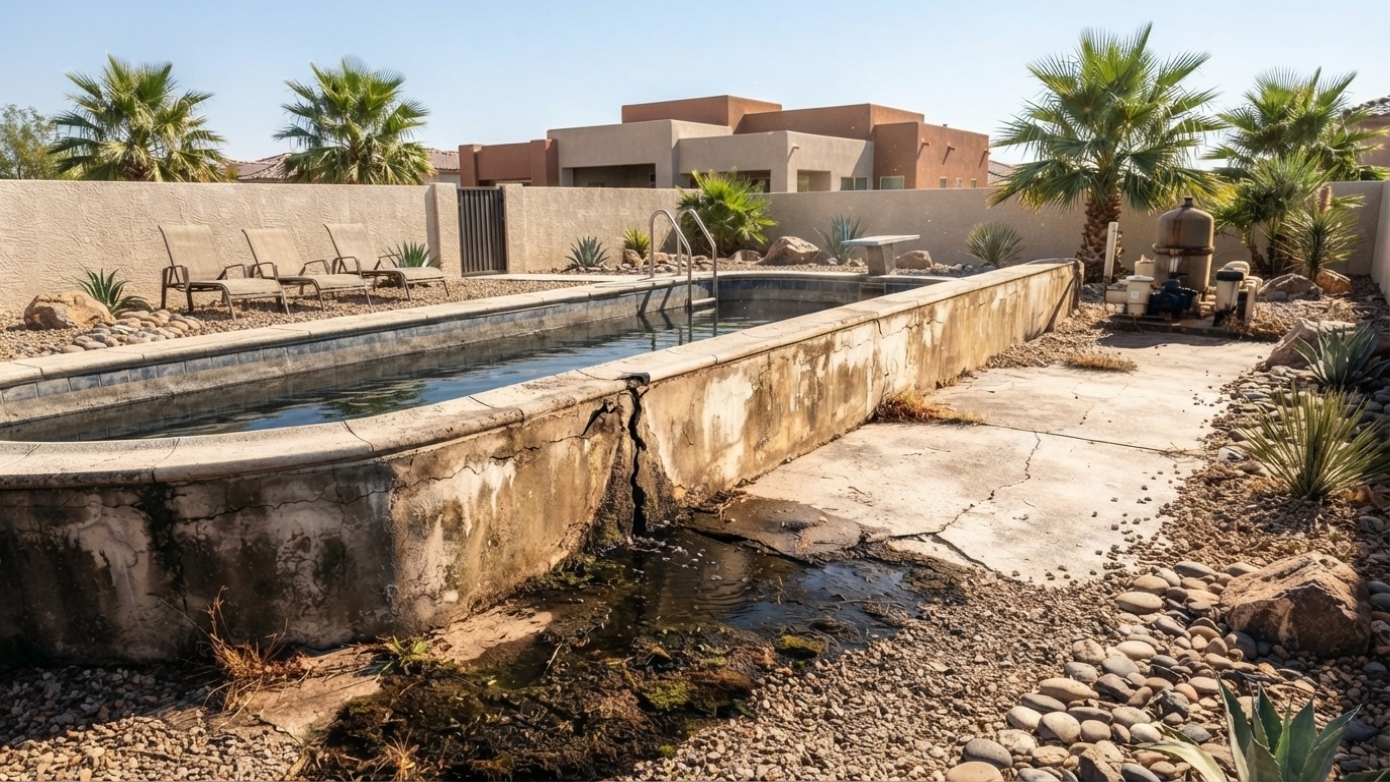
A pool leak is not always easy to spot. While some leaks may be obvious, such as visible cracks or rapidly dropping water levels, many pool leaks occur beneath the surface where they can go unnoticed for weeks or even months. Hidden leaks in plumbing lines, fittings, drains, or pool structures can waste water, increase maintenance costs, and lead to more serious damage over time.
Professional pool leak detection helps identify the exact source of water loss using specialized tools and proven techniques. At Hound Dog Leak Detection, we use advanced methods to locate hidden leaks accurately, allowing pool owners to address problems before they become expensive repairs.
Why Professional Pool Leak Detection Is Important
Many homeowners try to find pool leaks by checking visible areas or monitoring water levels, but identifying the exact cause of water loss can be challenging. A pool may lose water because of a plumbing issue, a structural crack, damaged equipment, or a problem with fittings and connections.
Professional leak detection goes beyond surface-level inspections. Experienced technicians evaluate the entire pool system, test different components, and use specialized equipment to determine where water is escaping. This targeted approach helps avoid unnecessary repairs and ensures the right solution is applied.
Water Loss Testing
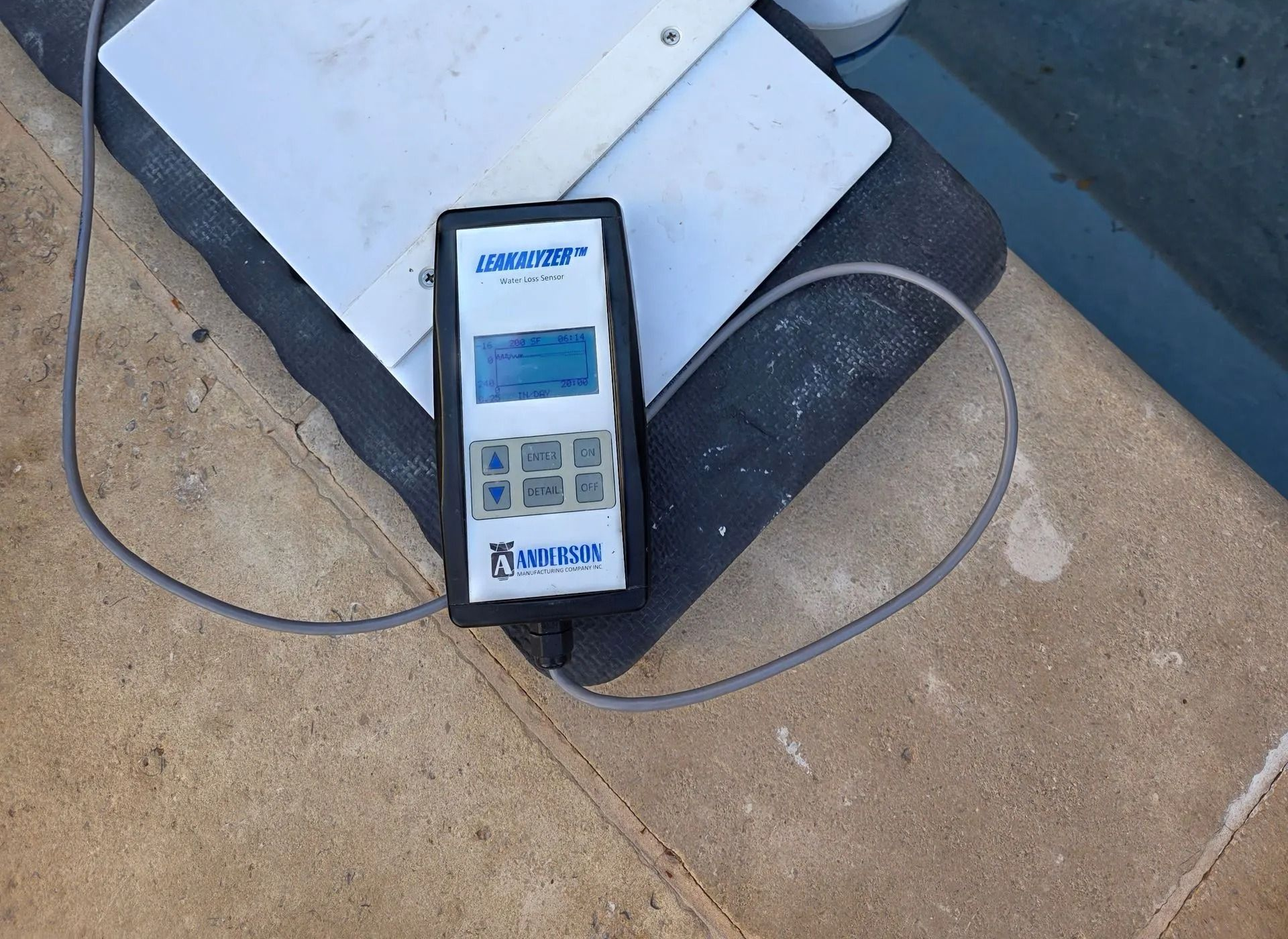
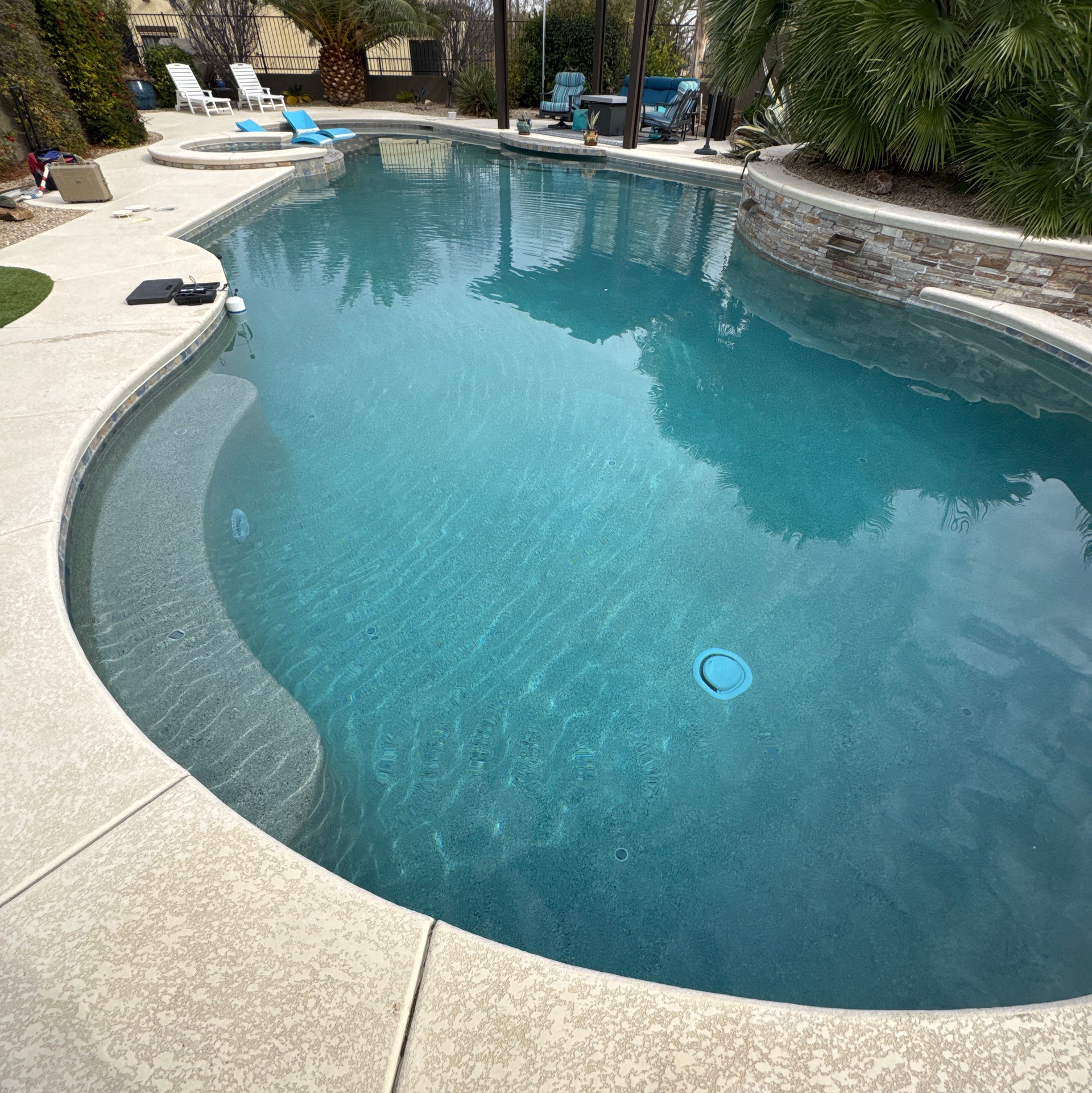
One of the first steps in professional pool leak detection is determining whether the water loss is caused by a leak or normal evaporation. Technicians may perform a water loss test by comparing the rate of water reduction in the pool with expected evaporation levels.
This process helps establish whether there is an actual leak and provides valuable information about the severity of the problem. If the pool is losing more water than normal, additional testing can be performed to locate the source.
Pressure Testing Pool Plumbing Lines
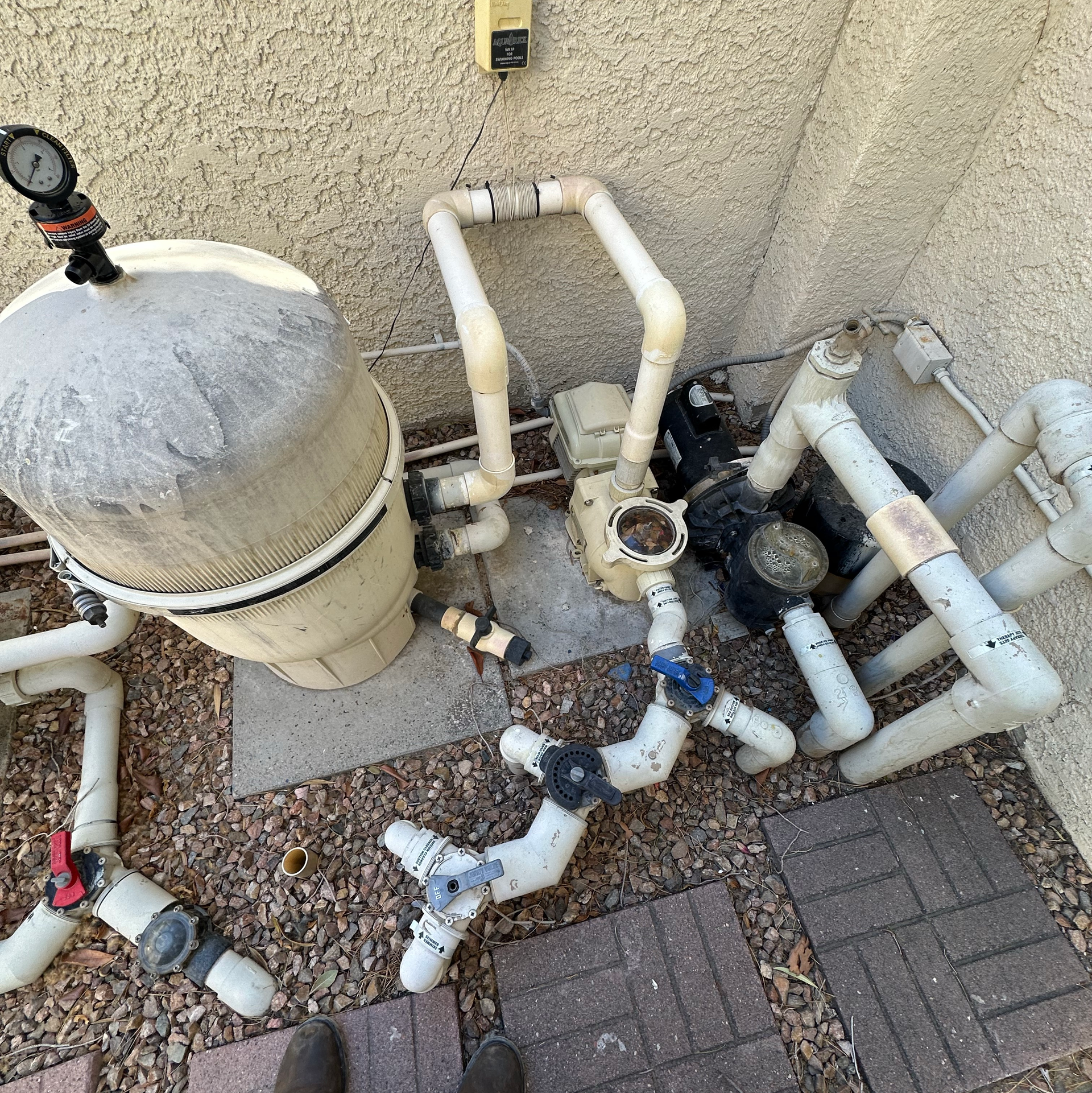
Pool plumbing systems include multiple underground pipes that move water between the pool, pump, filter, and other equipment. A leak in these lines can be difficult to detect because the damaged area is often hidden beneath concrete or soil.
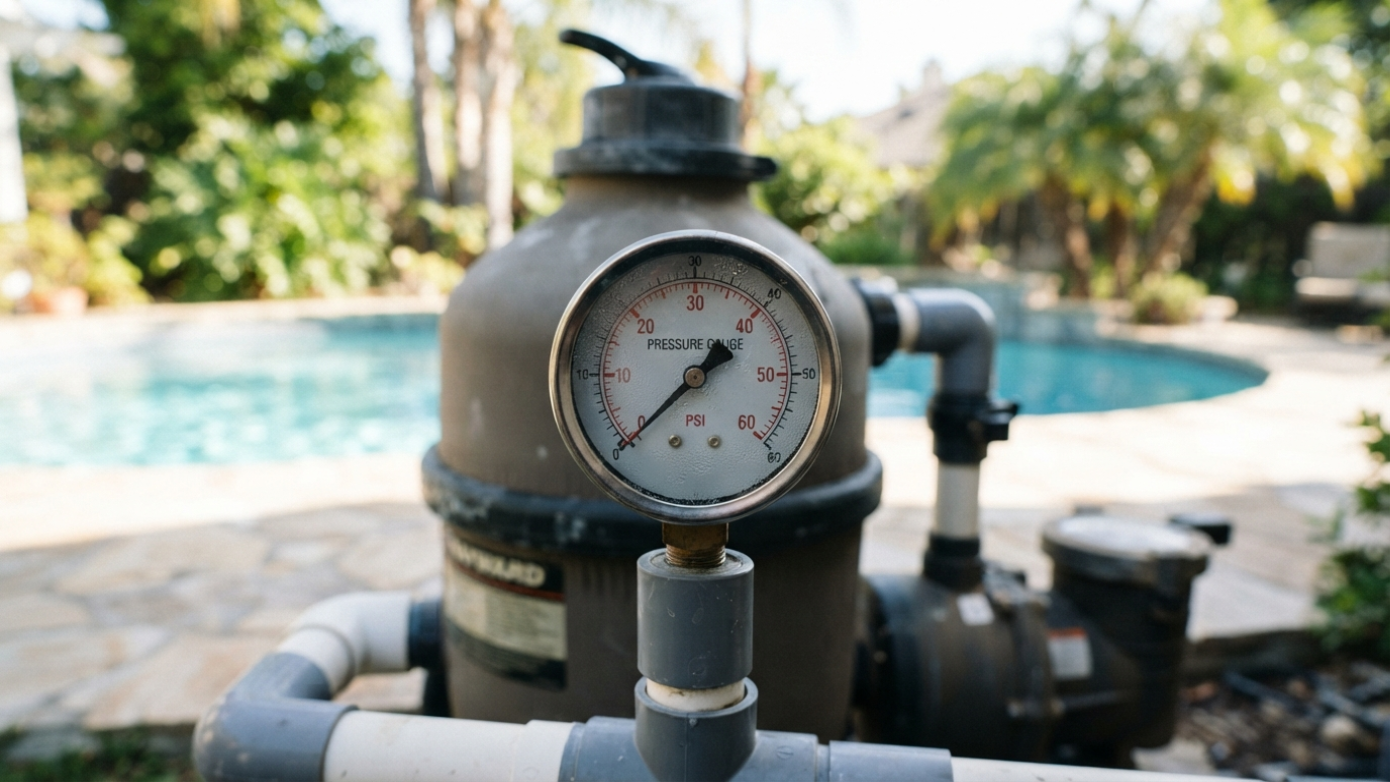
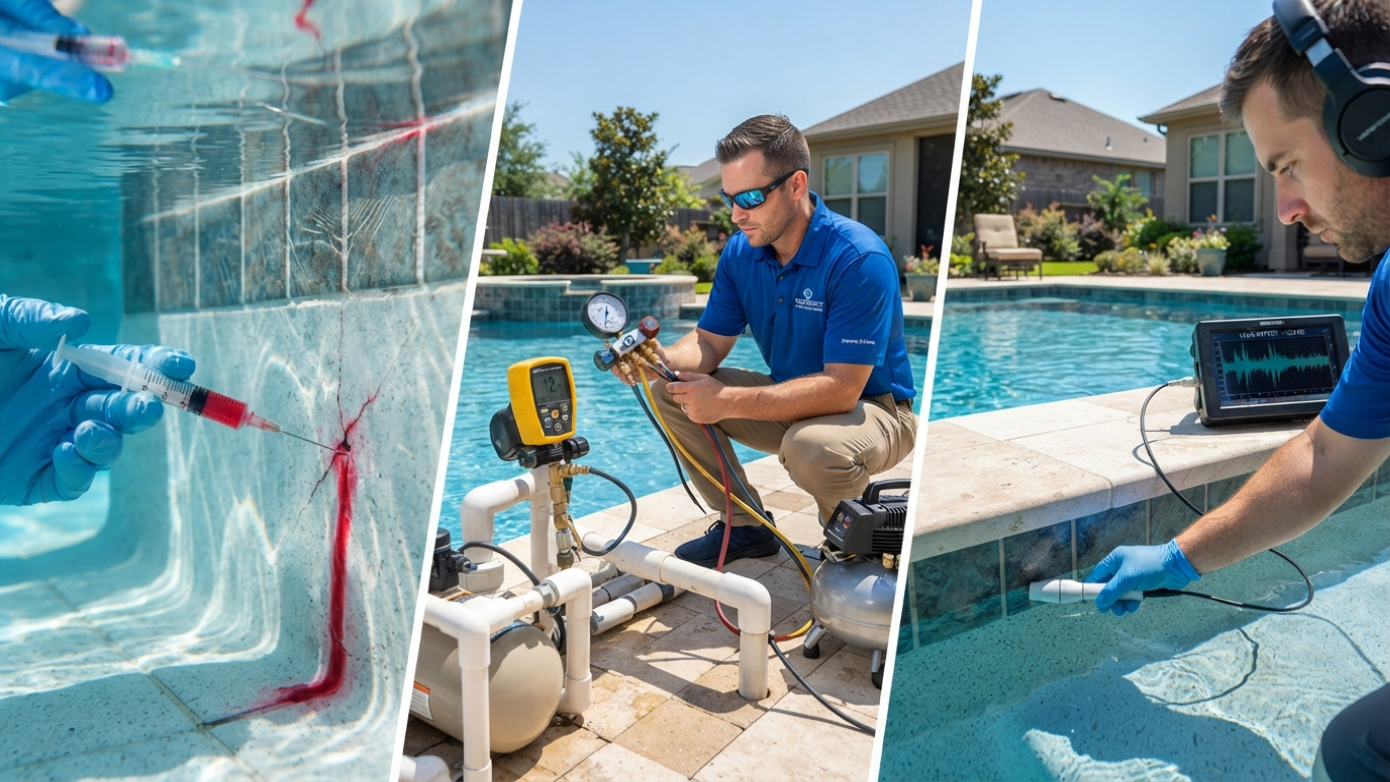
Professional technicians use pressure testing methods to check plumbing lines for leaks. By applying controlled pressure to individual sections of the plumbing system, they can determine whether a pipe is holding pressure properly or if there is a break allowing water to escape.
This method helps isolate the affected line so repairs can be made without unnecessary digging or disruption.
Dye Testing for Structural Leaks
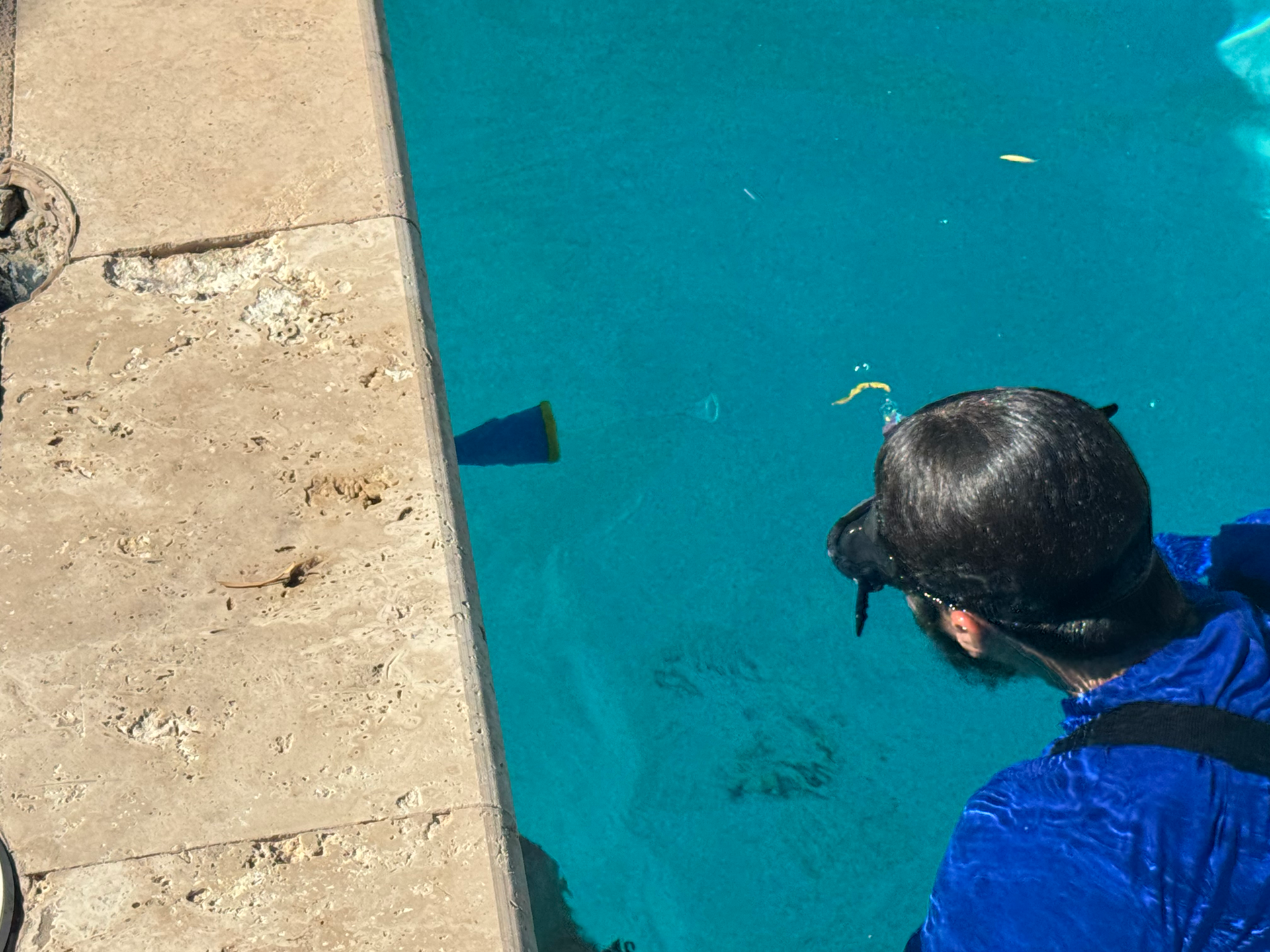
Dye testing is another common method used to locate leaks in pool structures. During this process, a specialized dye is placed near areas where leaks are suspected, such as cracks, drains, lights, fittings, or skimmer openings.
If water is escaping through a specific area, the dye will be drawn toward the leak, helping technicians identify the exact location of the problem. This technique is especially useful for finding small leaks that may not be visible during a standard inspection.
Electronic Listening Equipment
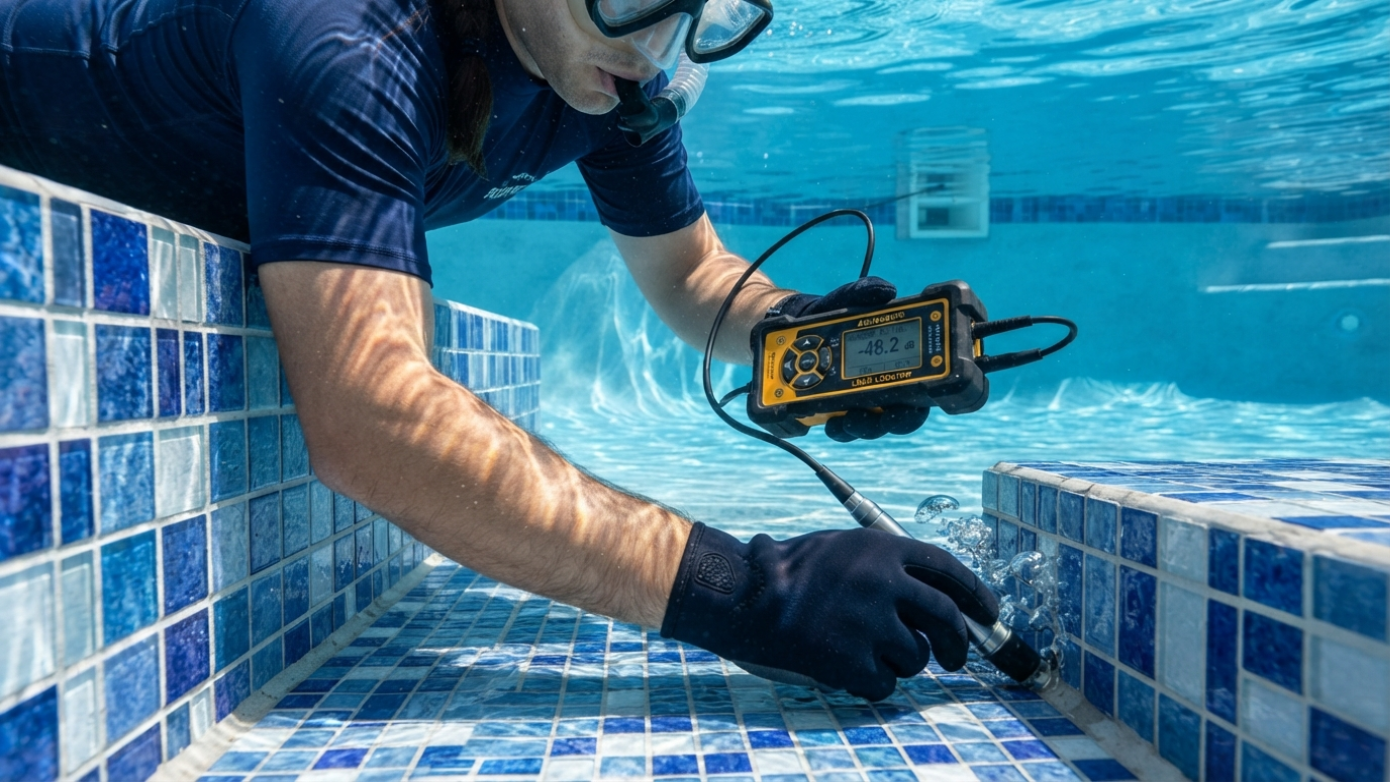
Some pool leaks produce sounds as water escapes through cracks or damaged pipes. Professional leak detection equipment can help technicians listen for these sounds and pinpoint underground leaks.
Electronic listening devices amplify subtle noises created by escaping water, making it easier to locate leaks beneath pool decks, concrete surfaces, or landscaping. This technology allows technicians to find hidden problems without unnecessary damage to surrounding areas.
Inspection of Pool Equipment and Components
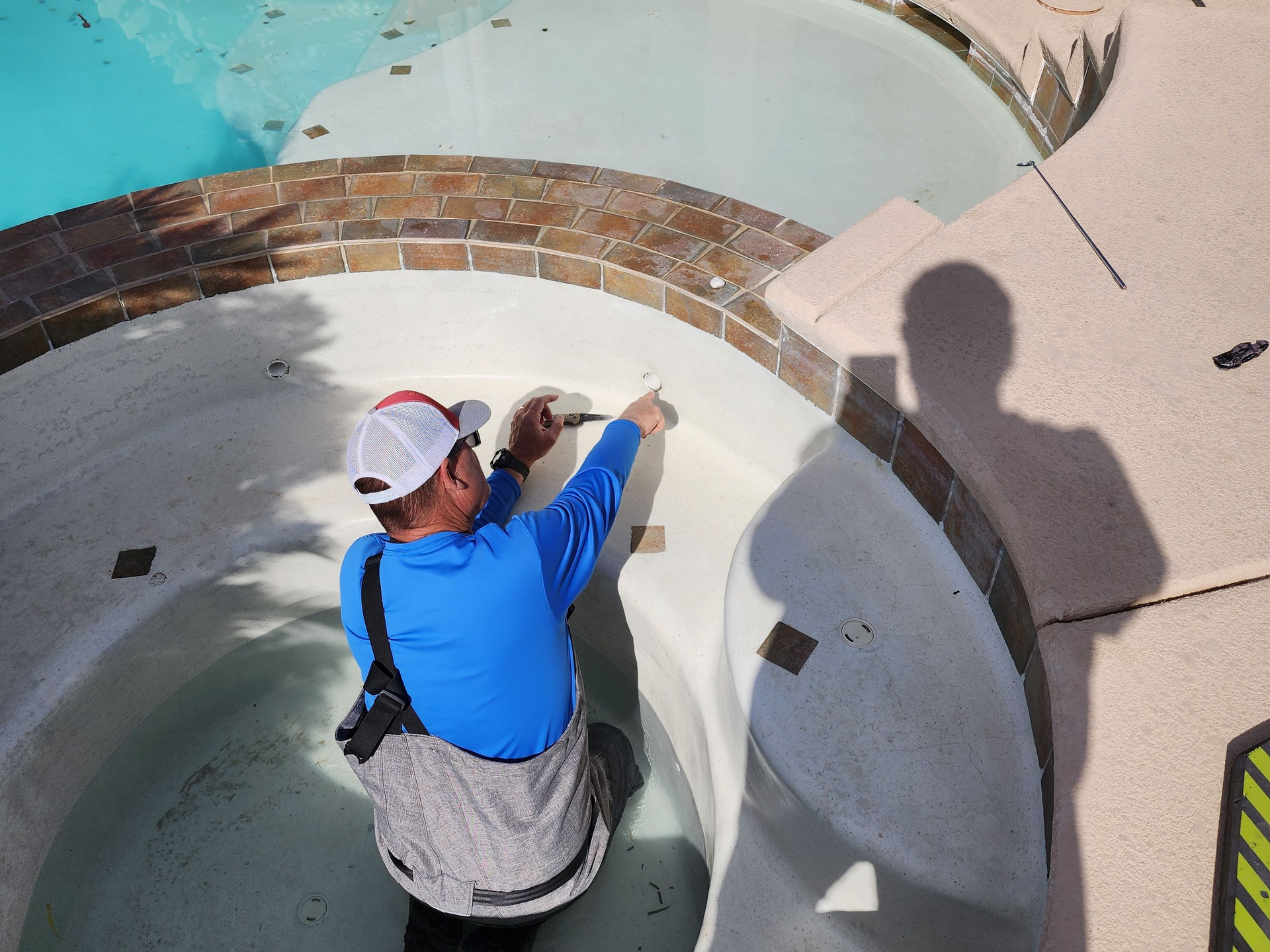
A complete pool leak inspection includes checking important components such as pumps, filters, heaters, valves, drains, and return lines. Equipment connections and fittings can develop leaks over time due to wear, damage, or improper installation.
By inspecting the entire pool system, professionals can determine whether the leak is coming from the pool structure, plumbing network, or equipment area. This comprehensive approach helps ensure the issue is properly diagnosed.
Finding the Source Saves Time and Money
Attempting to repair a pool leak without knowing the exact cause can lead to wasted time and unnecessary expenses. Replacing parts or making repairs in the wrong area may not solve the problem and can allow the leak to continue.
Professional pool leak detection provides a clear understanding of what needs to be repaired. By identifying the source early, homeowners can reduce water waste, prevent further damage, and avoid more expensive repairs in the future.
Trust Hound Dog Leak Detection for Accurate Pool Leak Detection
Hidden pool leaks can be frustrating, but professional detection makes it easier to find and resolve the problem. With specialized equipment, proven testing methods, and experience identifying difficult leaks, Hound Dog Leak Detection helps homeowners protect their pools and properties.
If you notice unexplained water loss, higher water bills, wet areas around your pool, or changes in pool performance, professional leak detection can help determine what is happening. Finding a leak early allows you to take action before a small issue becomes a major repair.