How Much Water Loss Is Normal for a Swimming Pool? When Should You Be Concerned?
If you've noticed your swimming pool's water level dropping, you may be wondering: Is this normal, or do I have a leak?
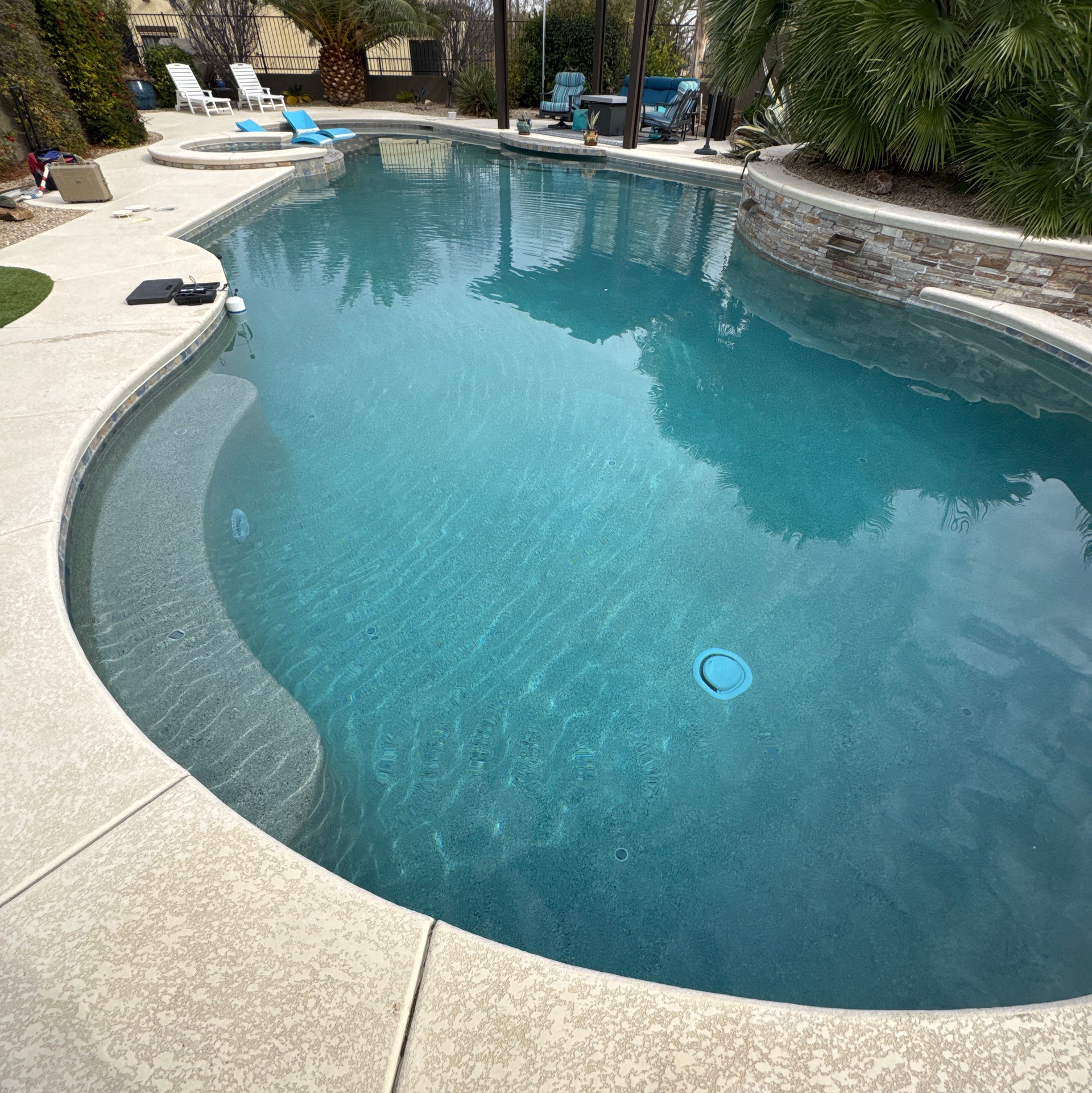
The truth is that every pool loses some water naturally. Evaporation, weather conditions, and regular pool use all contribute to water loss. However, when the water level drops faster than expected, it could indicate a hidden leak that requires professional attention.
At Hound Dog Leak Detection, we help homeowners distinguish between normal evaporation and water loss caused by leaks. Here's how to tell when it's time to stop topping off your pool and start looking for the source of the problem.
Is It Normal for a Pool to Lose Water?
Yes. Every swimming pool loses water due to evaporation.
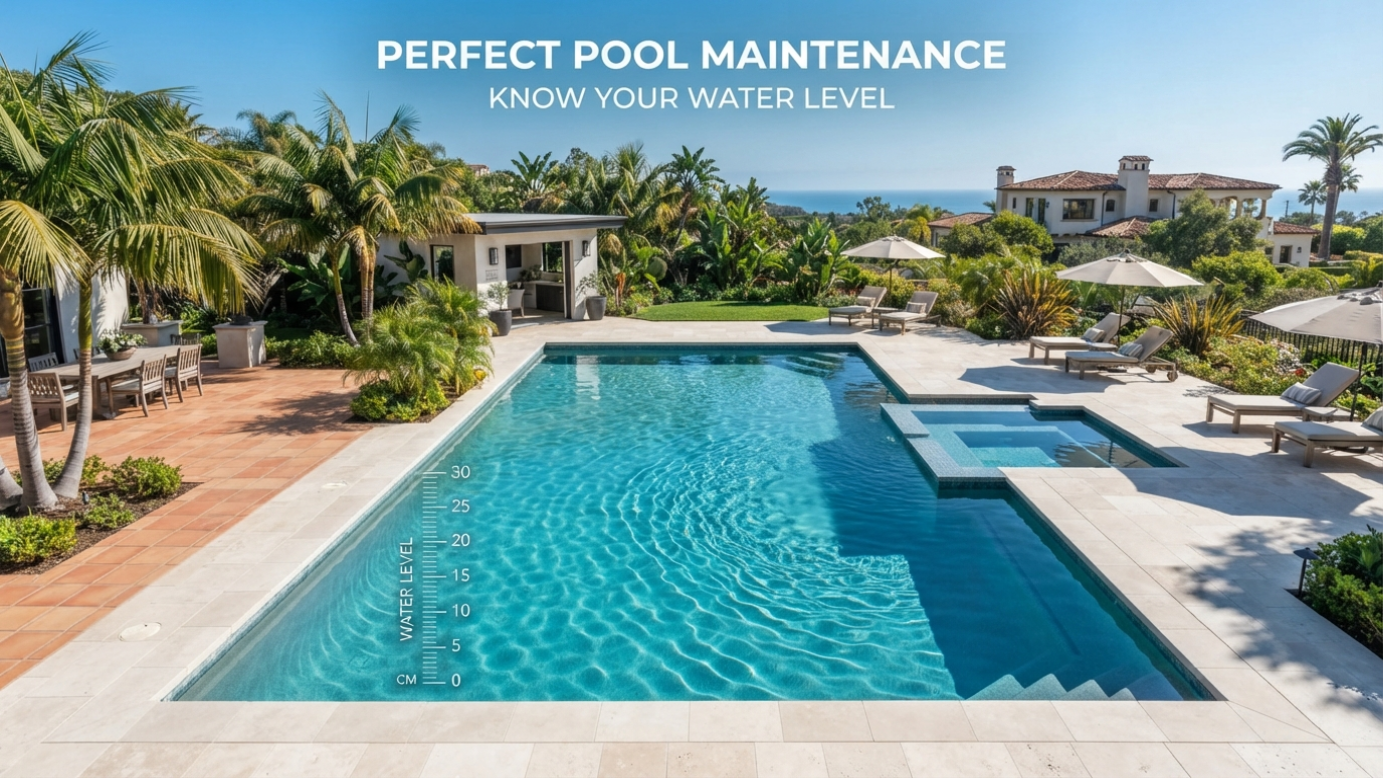
On average, a pool loses 1/4 to 1/2 inch of water per day, depending on environmental conditions. During particularly hot, dry, or windy weather, water loss may be slightly higher.
This type of water loss is completely normal and doesn't necessarily mean your pool has a leak.
Factors That Affect Normal Pool Water Loss
Several environmental conditions influence how quickly water evaporates from your pool.
1. Hot Weather
Warm temperatures increase evaporation. During the summer months, it's normal to notice a slight increase in daily water loss.
2. Wind
Wind constantly moves moisture away from the surface of your pool, speeding up evaporation.
Pools located in open or exposed areas typically lose more water than those protected by fencing or landscaping.
3. Low Humidity
Dry air absorbs moisture more readily than humid air.
If you live in an area with low humidity, your pool may lose water faster than average.
4. Heated Pools
Heating your pool raises the water temperature, which naturally increases evaporation.
The warmer the water, the faster it evaporates.
5. Frequent Pool Use
Swimming, splashing, water games, and cannonballs all contribute to water leaving the pool.
While splash-out is normal, excessive water loss from heavy use may require occasional refilling.
When Water Loss May Indicate a Leak
If you're losing more than 1/2 inch of water per day under typical weather conditions, it's time to investigate further.
Other warning signs include:
- Refilling your pool every few days
- Unexpectedly high water bills
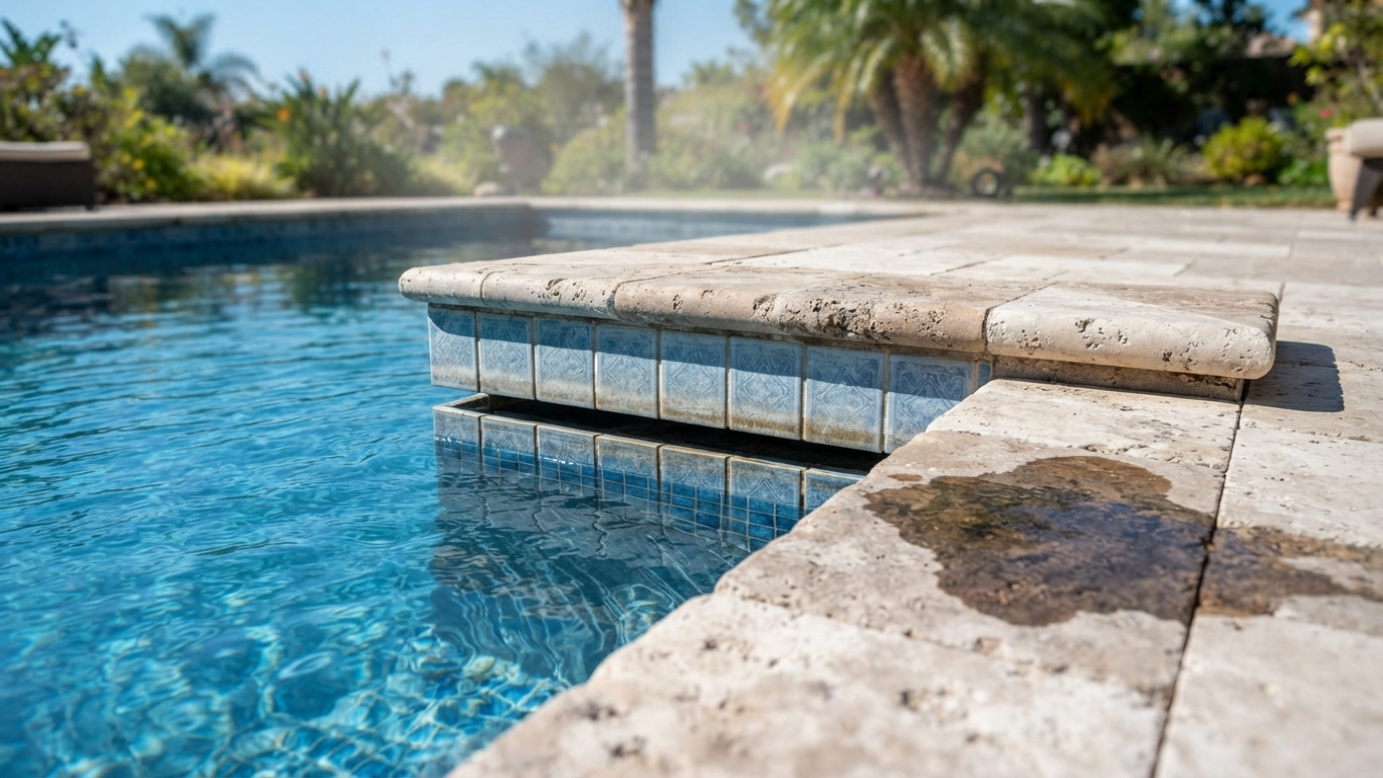
- Wet or soggy areas around the pool
- Air bubbles coming from return jets
- Pool pump losing prime
- Cracks in the pool deck or shell
- Difficulty maintaining proper chemical balance
These symptoms often suggest that water is escaping somewhere in the pool system.
The Bucket Test: A Simple Way to Check for a Leak
One of the easiest ways to determine whether your pool is leaking is by performing the bucket test.
Here's how:
- Fill a bucket about three-quarters full with pool water.
- Place the bucket on a pool step so the water level inside matches the pool water level outside.
- Mark both water levels.
- Turn off any automatic fill systems.
- Wait 24 hours without swimming or adding water.
- Compare the water levels.
If the water level in the pool has dropped significantly more than the water inside the bucket, your pool is likely leaking rather than simply experiencing evaporation.
Common Causes of Pool Leaks
When water loss exceeds normal evaporation, the cause may be one of several common issues.
Underground Plumbing Leaks
Pipes beneath the pool deck can crack due to age, shifting soil, or tree roots.
These leaks are often invisible until significant water loss occurs.
Cracked Pool Shell
Concrete and gunite pools can develop structural cracks that allow water to escape.
Even hairline cracks can leak surprisingly large amounts of water over time.
Skimmer Leaks
The connection between the skimmer and the pool wall is one of the most common leak locations.
Over time, movement and aging materials can create small gaps that allow water to seep out.
Pool Light Leaks
Damaged seals around underwater light fixtures can permit water to escape behind the pool wall.
Return Fittings and Main Drains
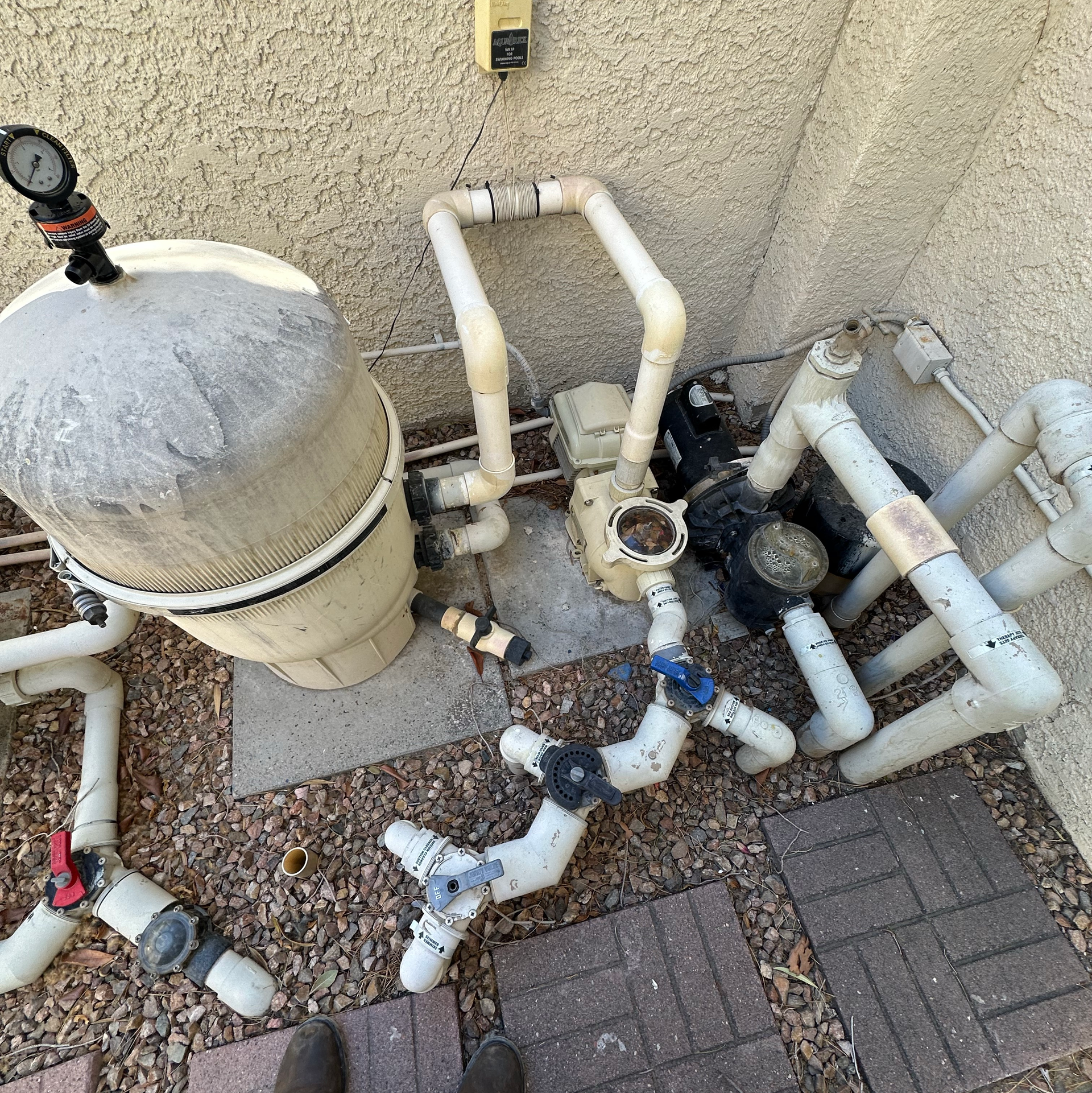
Loose fittings, deteriorated seals, or damaged plumbing connections can all contribute to hidden leaks.
Why You Shouldn't Ignore Excessive Water Loss
Some homeowners continue adding water without addressing the underlying issue.
Unfortunately, this can lead to much larger problems over time, including:
- Higher water bills
- Increased chemical costs
- Soil erosion beneath the pool
- Cracked decking
- Structural movement
- Damage to nearby landscaping
- Costly repairs that could have been avoided
The sooner a leak is identified, the easier—and often less expensive—it is to repair.
How Professional Pool Leak Detection Works
Many leaks occur underground or inside plumbing systems where they can't be seen during a routine inspection.
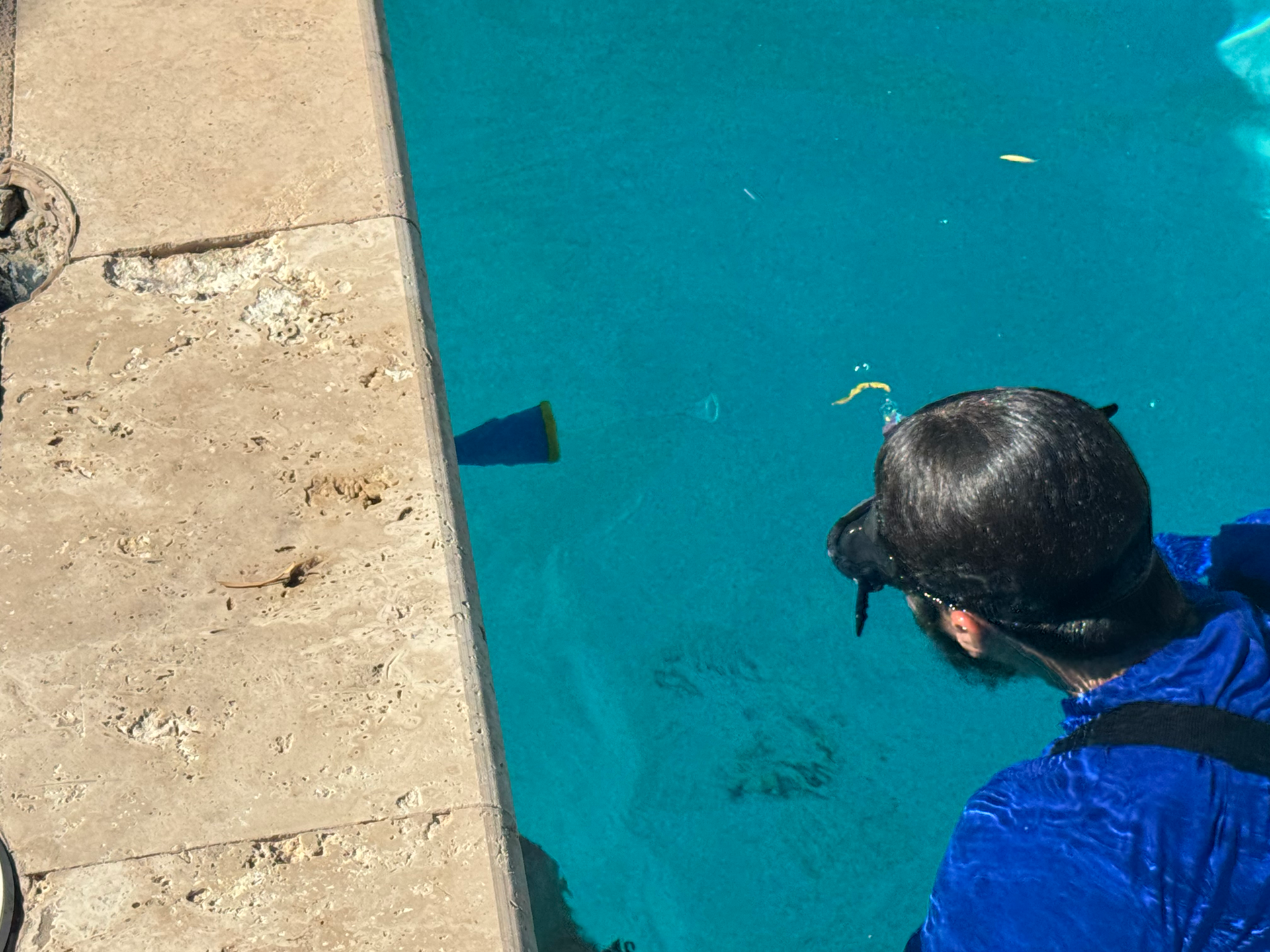
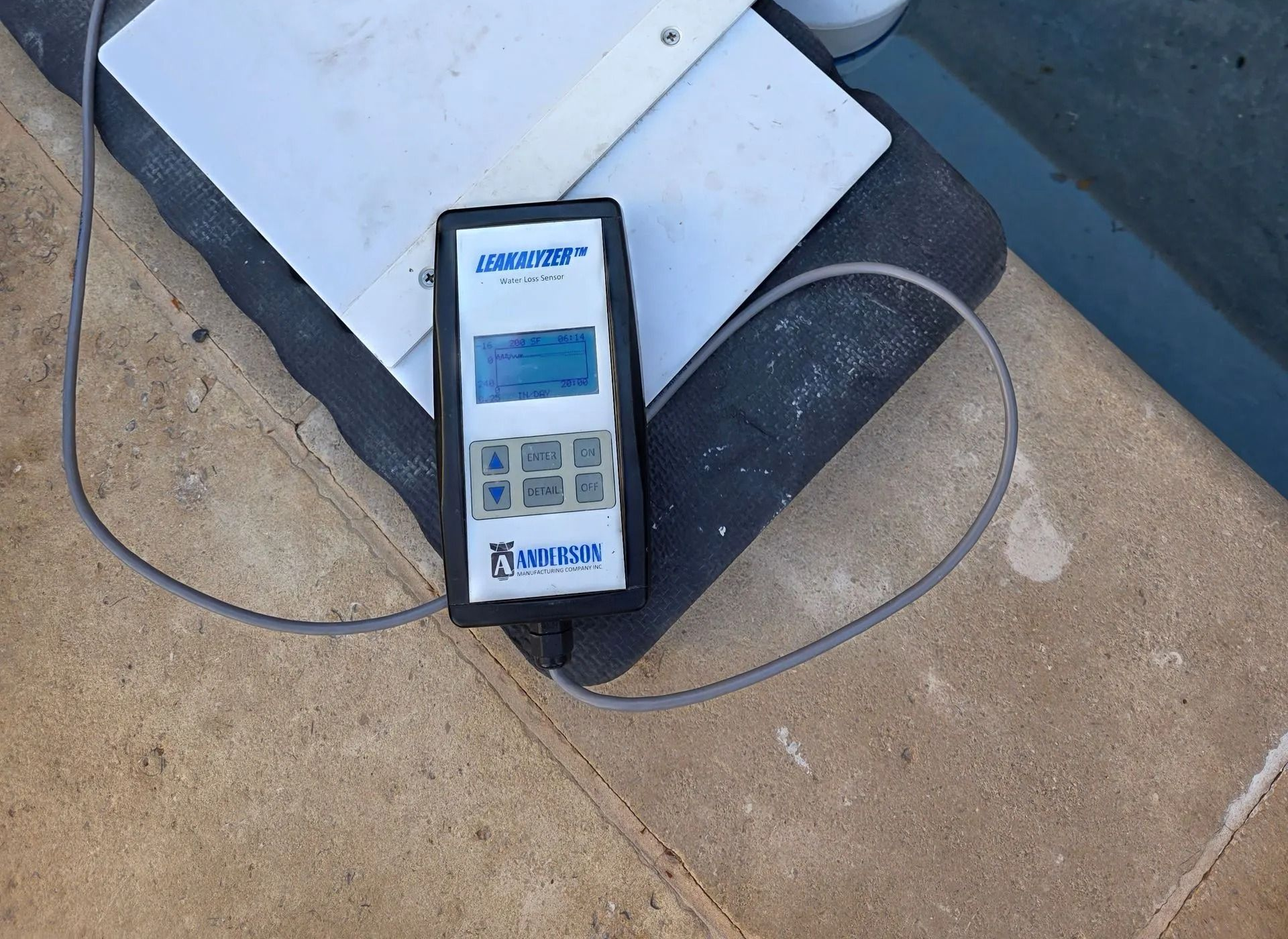
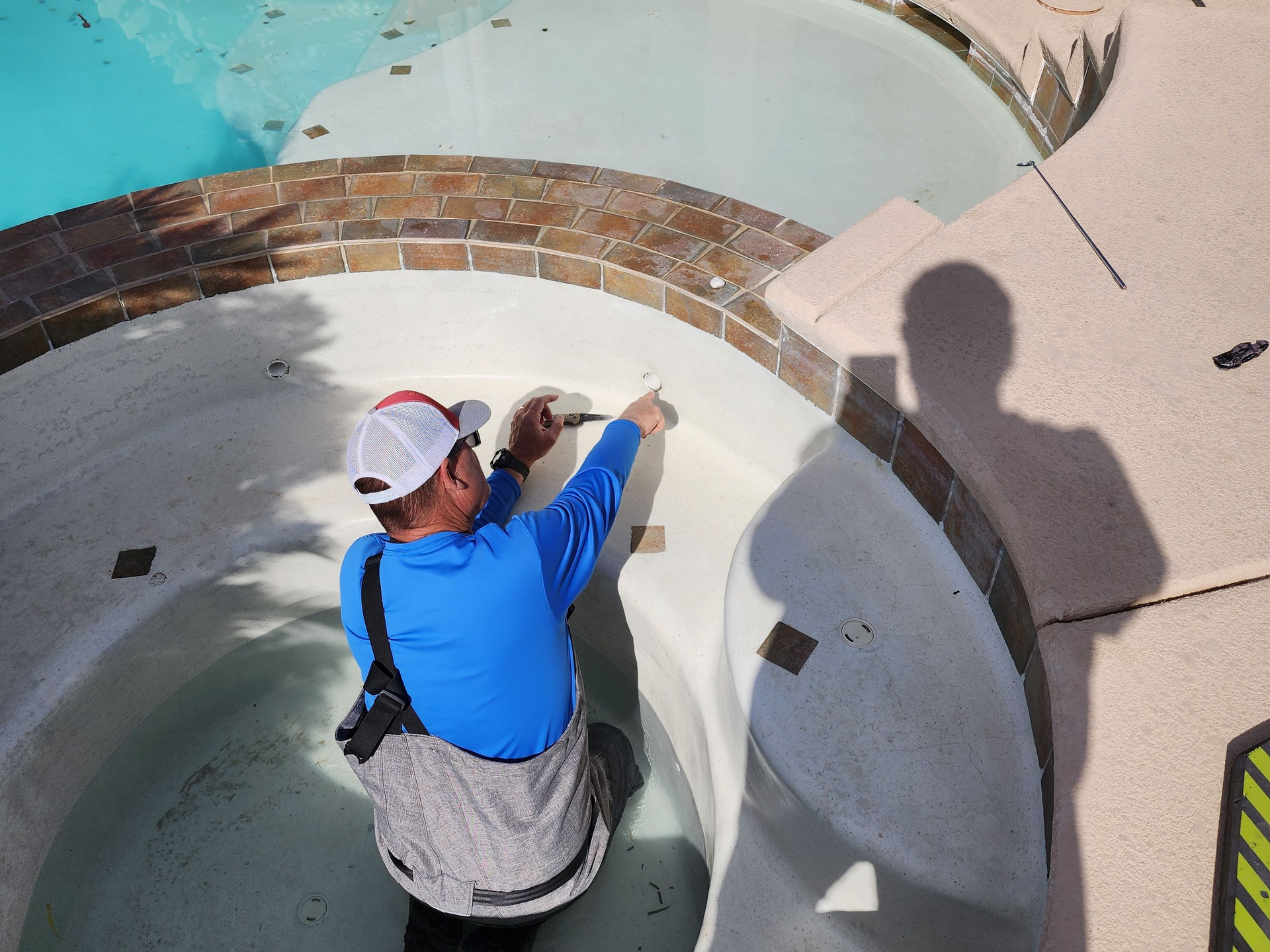
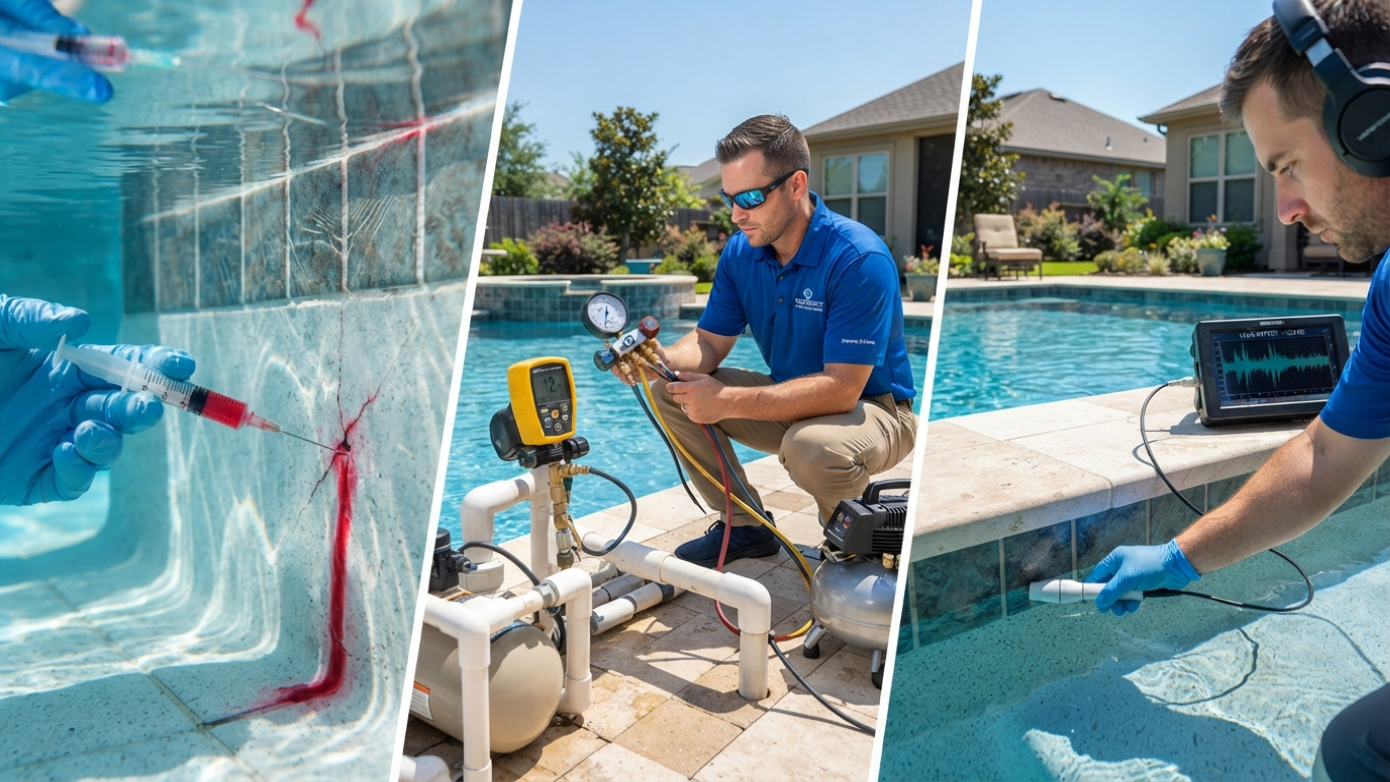
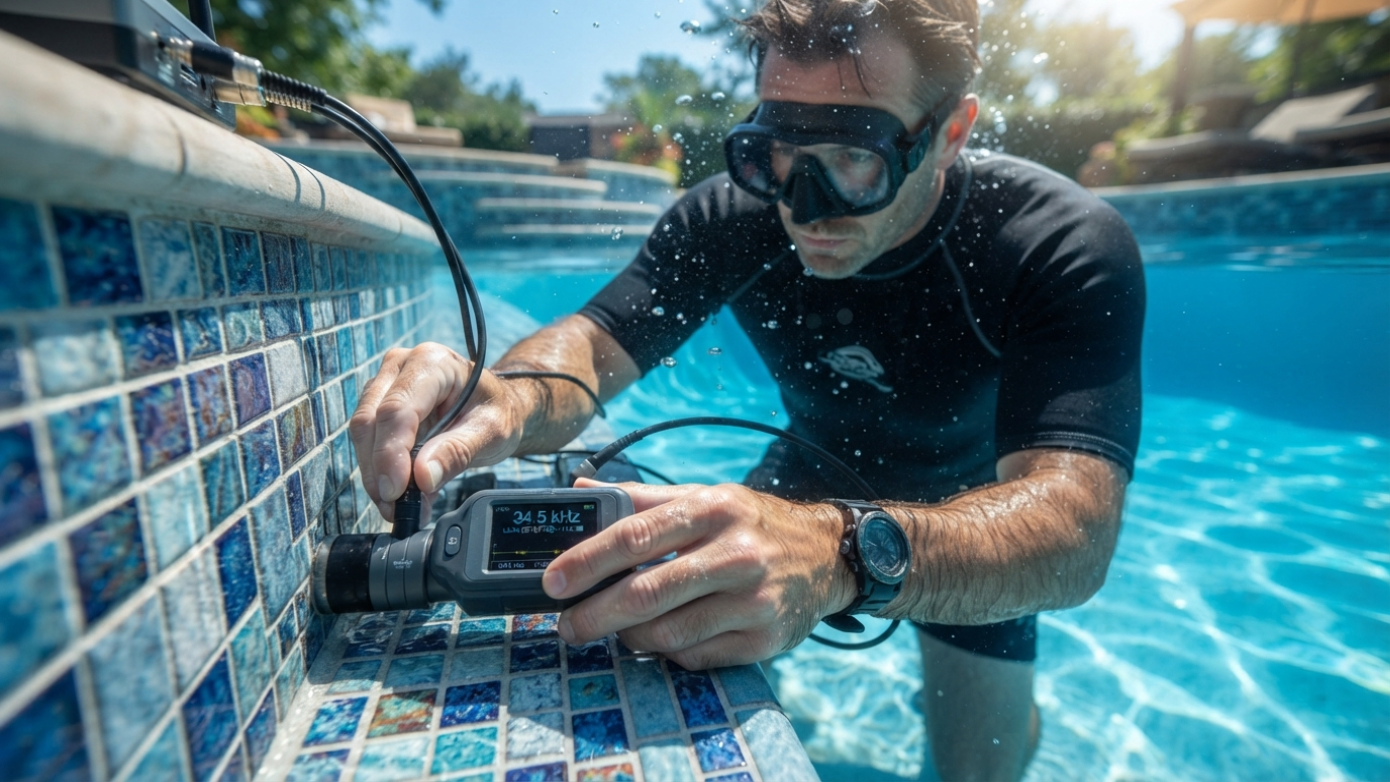
Professional leak detection specialists use advanced technology to locate leaks accurately, including:
- Electronic leak detection
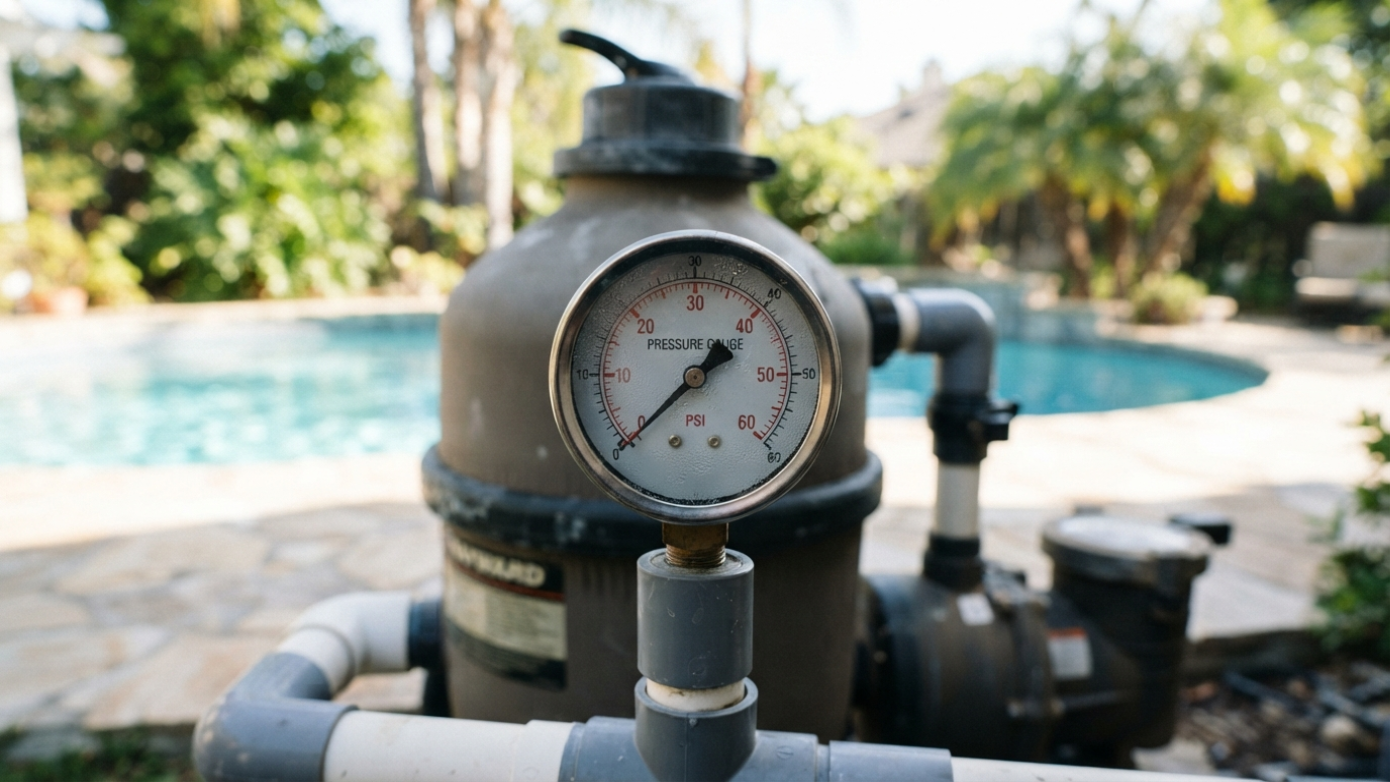
- Pressure testing
- Acoustic listening equipment
- Underwater dye testing
- Specialized plumbing diagnostics
These methods allow technicians to pinpoint the source of the leak while minimizing unnecessary digging or damage to your property.
How Often Should You Refill Your Pool?
There's no single answer, as weather and pool usage vary throughout the year.
However, if you find yourself adding water:
- Multiple times each week
- Every day
- More often than your neighbors with similar pools
it's worth scheduling a professional leak inspection.
Consistently adding water isn't just inconvenient—it may be masking a problem that will only worsen over time.