Pool Leak Detection vs. Pool Repair: Understanding the Difference and When You Need Each Service
If you're losing water from your swimming pool, your first instinct might be to search for "pool repair near me." However, before any repairs can begin, you first need to know where the leak is coming from.
Many homeowners assume that pool leak detection and pool repair are the same service—but they're actually two separate steps in solving the problem.
At Hound Dog Leak Detection, we specialize in accurately locating leaks so repairs can be completed efficiently and correctly. Here's what every pool owner should know about the difference between pool leak detection and pool repair.
What Is Pool Leak Detection?
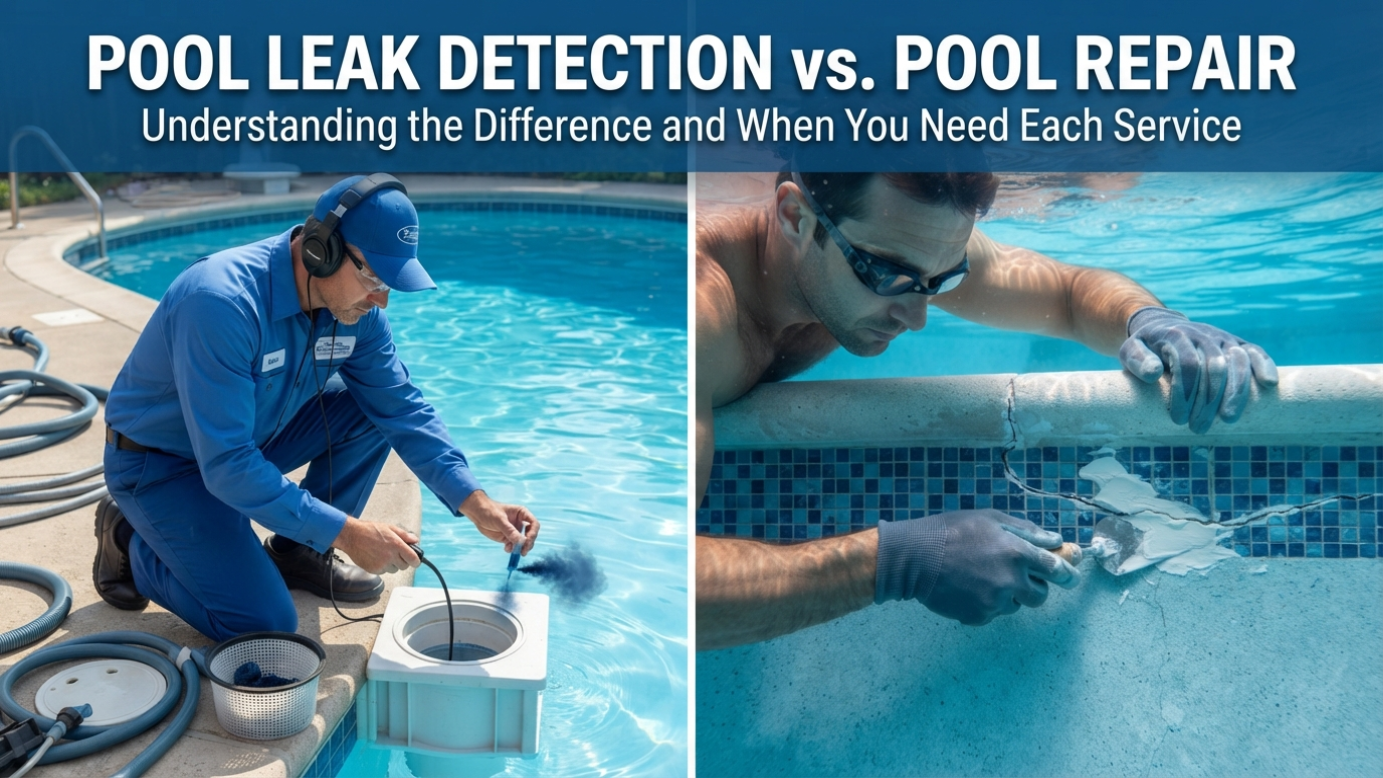
Pool leak detection is the process of finding the exact source of water loss.
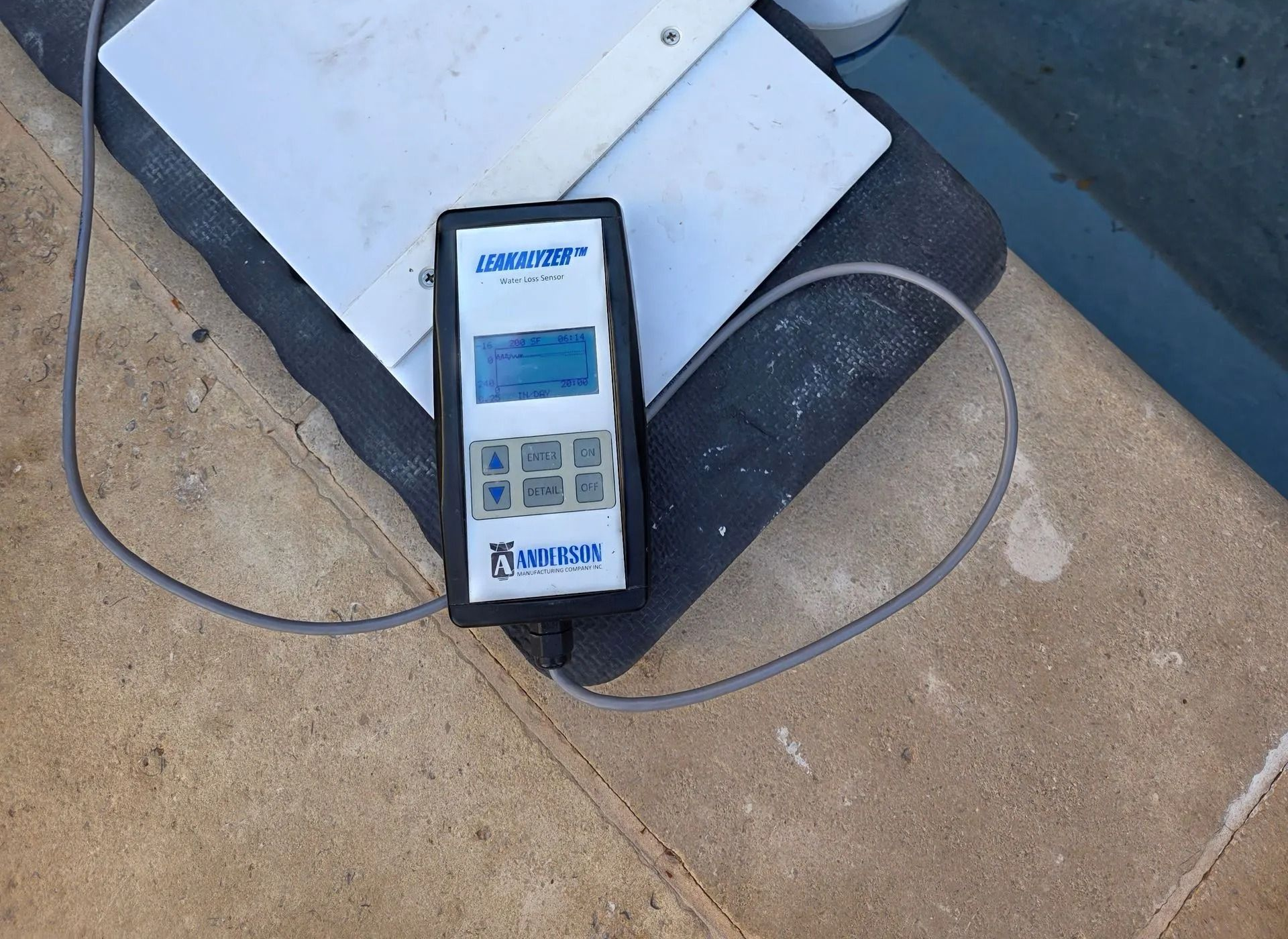
Rather than guessing where the leak might be, professional leak detection uses specialized equipment to pinpoint its location without unnecessary demolition or excavation.
Leak detection answers one critical question:
"Where is the leak?"
A professional leak detection service may inspect:
- Underground plumbing lines
- Pool shell cracks
- Skimmers
- Return fittings
- Main drains
- Pool lights
- Water features
- Equipment pad plumbing
The goal is to identify the precise location of the leak before any repairs begin.
What Is Pool Repair?
Once the leak has been identified, pool repair focuses on fixing the damaged component.
Depending on the type of leak, repairs may include:
- Replacing damaged plumbing
- Repairing cracks in the pool shell
- Resealing skimmers
- Replacing return fittings
- Repairing pool light niches
- Fixing valves or equipment
- Replacing damaged pipe sections
In other words:
Leak detection finds the problem. Pool repair solves it.
Why Leak Detection Should Come First
Without professional leak detection, repairs often become guesswork.
Some contractors may begin digging or removing concrete based solely on assumptions, which can result in:
- Unnecessary demolition
- Higher repair costs
- Longer project timelines
- Damage to landscaping
- Failure to fix the actual leak
Professional leak detection eliminates the guesswork by identifying the exact location before repairs begin.
Signs You May Need Leak Detection
Not every pool problem requires immediate repairs.
If you're experiencing unexplained water loss, leak detection should usually be your first step.
Common signs include:
- Water level dropping rapidly
- Constantly adding water
- Higher water bills
- Wet spots around the pool
- Air bubbles in return jets
- Pump losing prime
- Cracks forming around the pool
- Difficulty maintaining water chemistry
These symptoms suggest a hidden leak but don't necessarily reveal where it's located.
Signs You May Need Pool Repair
Once the leak has been confirmed, repairs become necessary to prevent further damage.
Repairs may be needed if:
- A plumbing line has cracked
- The pool shell has developed structural cracks
- Skimmers have separated from the pool wall
- Pool equipment is leaking
- Return fittings are damaged
- Underground pipes have broken
Repair methods vary depending on the location and severity of the leak.
What Happens During a Professional Leak Detection Service?
Professional leak detection is much more than a visual inspection.
Technicians use advanced diagnostic equipment to isolate and locate leaks with precision.
Common methods include:
Pressure Testing
Pressure testing checks whether underground plumbing lines are holding pressure or allowing water to escape.
Electronic Leak Detection
Sensitive electronic equipment can identify leaks that are impossible to locate through visual inspection alone.
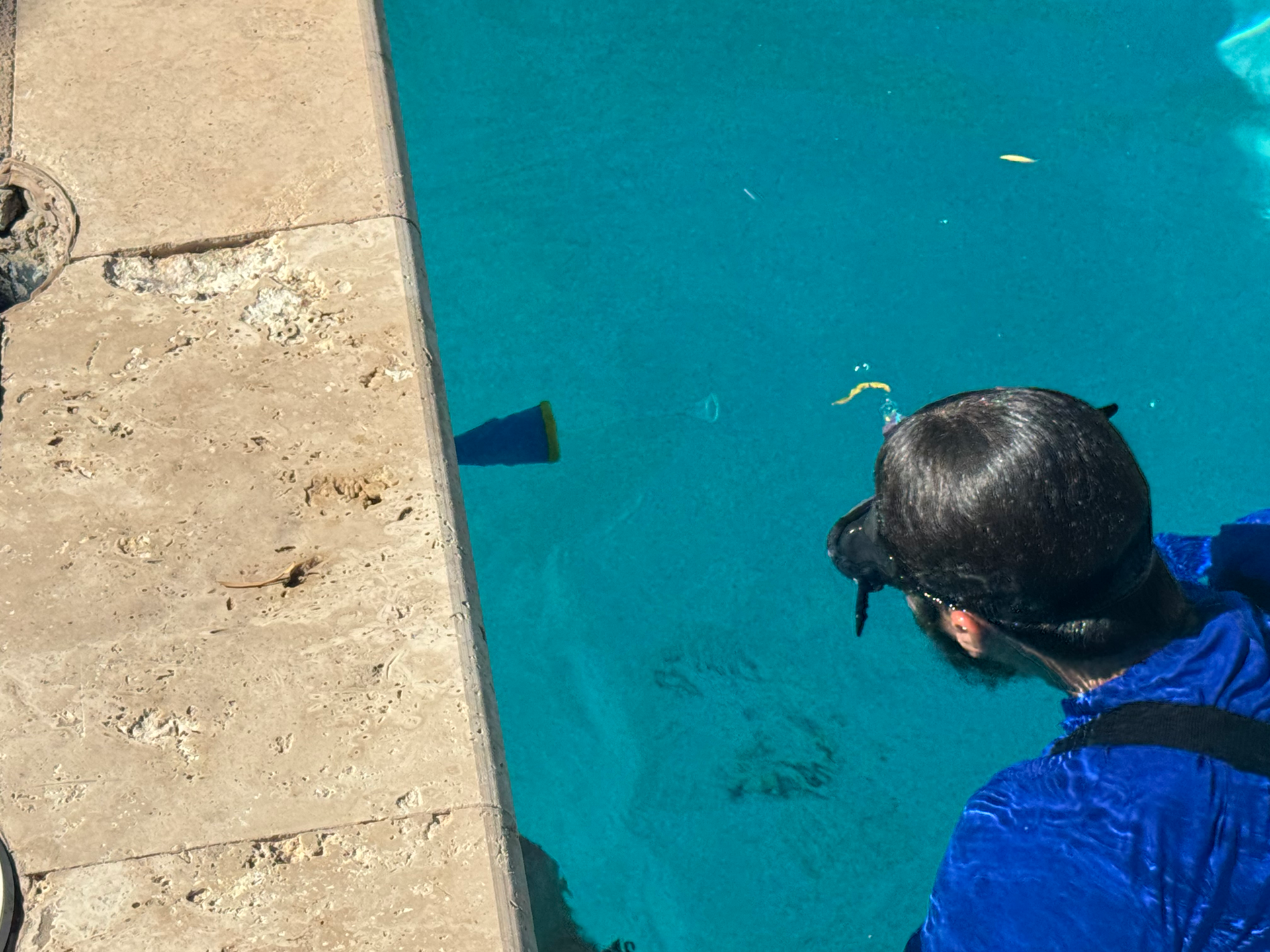
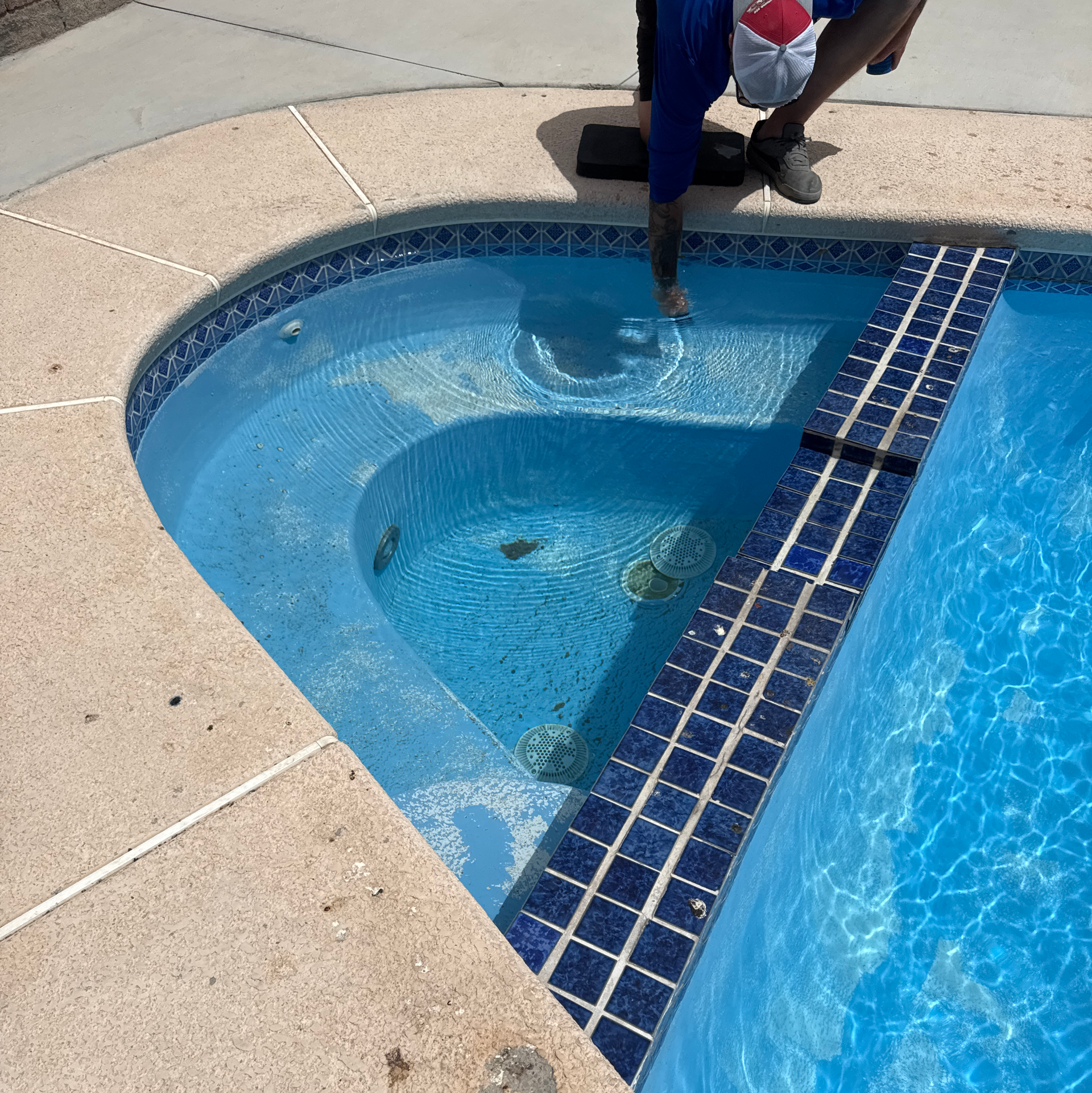
Underwater Dye Testing
A specialized dye is introduced near suspected leak areas. If water is escaping, the dye is drawn toward the leak, helping technicians confirm its location.
Acoustic Listening Equipment
Underground plumbing leaks often create subtle sounds that specialized listening devices can detect without digging.
Can a Pool Be Repaired Without Leak Detection?
Sometimes, yes—but only if the damage is clearly visible.
For example:
- A cracked pump housing
- A leaking filter tank
- A broken valve
- Visible cracked plumbing above ground
However, if the source of water loss is unknown, leak detection is almost always the most cost-effective first step.
Repairing the wrong area won't solve the problem and can end up costing more in the long run.
Why Accurate Leak Detection Saves Money
Many homeowners worry about the cost of professional leak detection.
In reality, accurate leak detection often reduces overall repair costs by:
- Eliminating unnecessary digging
- Preventing trial-and-error repairs
- Reducing labor time
- Protecting decks and landscaping
- Preventing additional water damage
- Helping repairs be completed correctly the first time
The investment in professional leak detection often pays for itself by avoiding unnecessary work.
The Benefits of Hiring a Leak Detection Specialist
Choosing a company that specializes in leak detection offers several advantages:
- Precise leak location
- Non-invasive diagnostic methods
- Faster diagnosis
- Reduced repair costs
- Less disruption to your property
- Expert recommendations for the next steps
A specialist provides the information needed to make repairs as efficiently as possible.
When Should You Call Hound Dog Leak Detection?
If your pool is losing more water than normal and you can't identify the cause, don't wait until a small leak becomes a major repair.
Professional leak detection is recommended if:
- You refill your pool frequently.
- Your water bill has unexpectedly increased.
- You notice damp areas around your pool.
- Your pool equipment is drawing in air.
- Your pool has visible cracks or shifting.
- You've ruled out normal evaporation but are still losing water.
Finding the leak early can help prevent structural damage, protect your landscaping, and reduce long-term repair costs.
Trust Hound Dog Leak Detection to Find the Problem Before Repairs Begin
At Hound Dog Leak Detection, we specialize in accurately locating pool leaks using advanced, non-invasive technology. Our experienced technicians identify the exact source of water loss so repairs can be completed efficiently and without unnecessary demolition.
Whether your leak is hidden in underground plumbing, the pool shell, a skimmer, or your equipment, we'll help you find the problem before it becomes a bigger—and more expensive—issue.
Contact Hound Dog Leak Detection today to schedule a professional pool leak detection service and take the guesswork out of protecting your pool investment.