Pool Leak Prevention Tips: How Regular Maintenance Can Protect Your Investment
A swimming pool is a major investment, and protecting it involves more than keeping the water clean.
Small plumbing leaks, failing seals, equipment problems, and structural damage can allow water to escape long before the problem becomes obvious. In Southern Nevada, where high temperatures and dry conditions already contribute to evaporation, distinguishing normal water loss from an actual leak can sometimes be difficult.
Regular maintenance helps homeowners notice changes earlier and address minor problems before they have time to become more expensive.
Learn What Normal Water Loss Looks Like
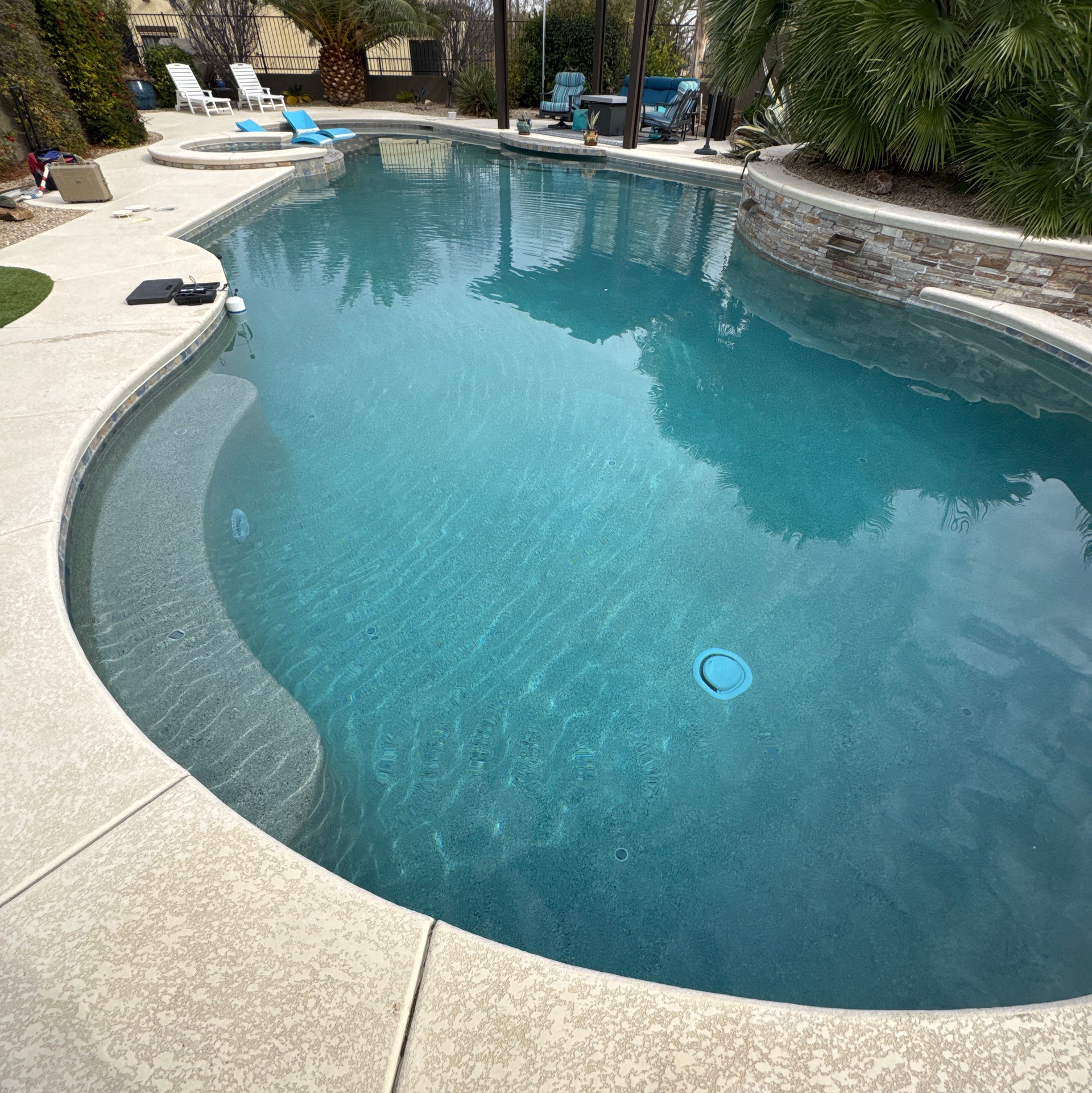
Every pool loses some water naturally through evaporation, splash-out, and normal use.
The important thing is knowing what is typical for your pool.
If you suddenly need to add water much more frequently, the water level drops unusually fast, or your utility usage increases without another explanation, it may be time to investigate.
Homeowners should be especially attentive if they receive a high-water-use or continuous-flow notification from the Southern Nevada Water Authority.
Rather than continuing to refill the pool, try to determine why the water is disappearing.
Inspect the Equipment Pad
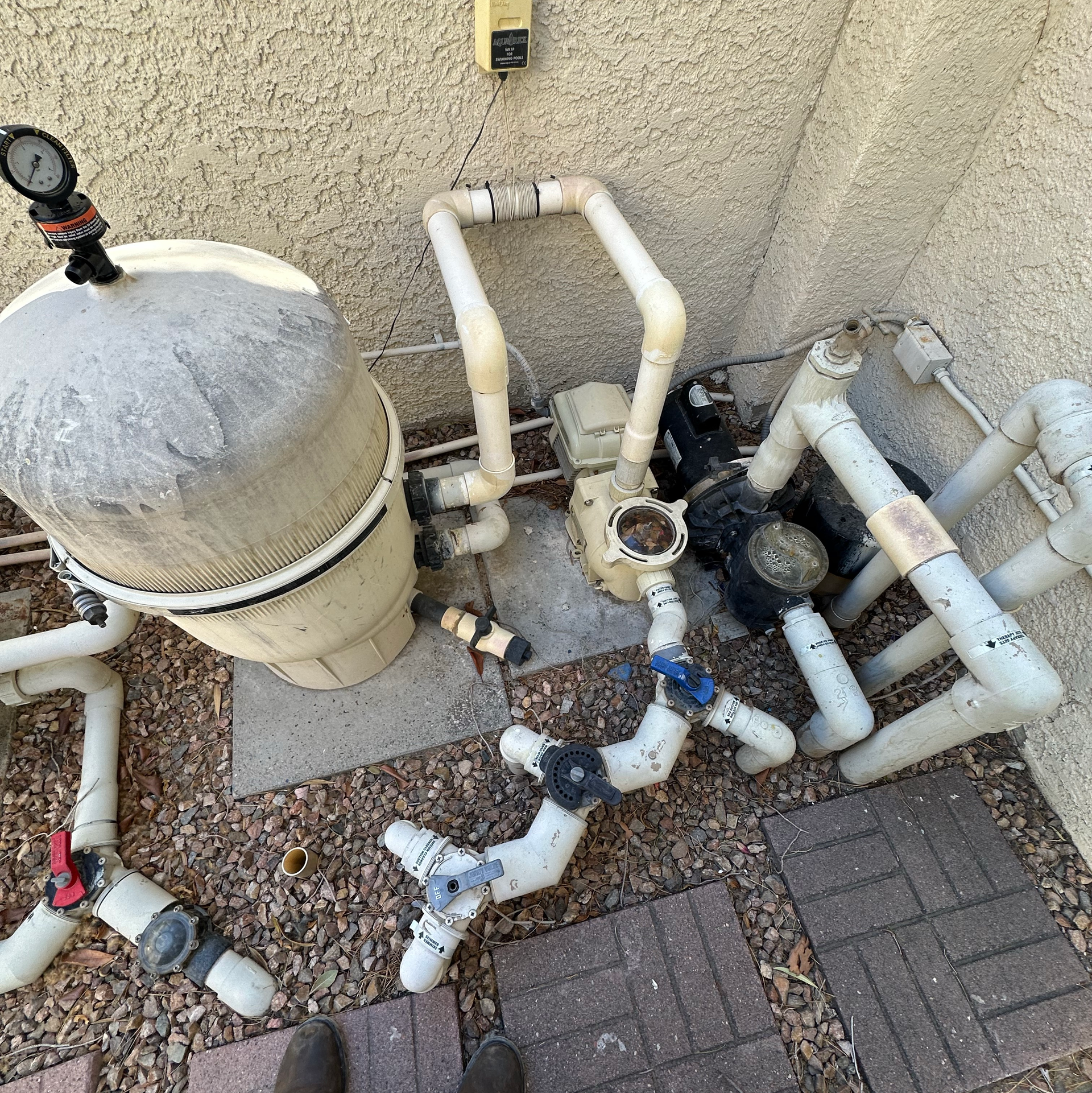
Many pool leaks begin around equipment rather than inside the pool itself.
Pumps, filters, heaters, valves, unions, and plumbing connections should be inspected periodically for moisture.
Look for puddles, wet soil, mineral deposits, corrosion, dripping fittings, or water stains.
A small leak can be difficult to notice in Las Vegas because water may evaporate quickly before a puddle develops.
Checking equipment while the system is running can sometimes reveal leaks that are not visible when the pump is off.
Watch for Changes in Pump Performance
Pool equipment can provide clues that something is wrong.
A pump that frequently loses prime, develops excessive air in the basket, or struggles to maintain normal circulation may be experiencing a plumbing or equipment issue.
Air bubbles returning through pool jets can also be worth investigating.
These symptoms do not automatically mean there is a leak. Low water levels, clogged baskets, valve problems, or other equipment issues can produce similar symptoms.
However, recurring changes in normal operation should not be ignored.
Check Common Leak-Prone Areas
Certain parts of a pool deserve regular visual inspection.
These include:
- Skimmers
- Return fittings
- Lights and niches
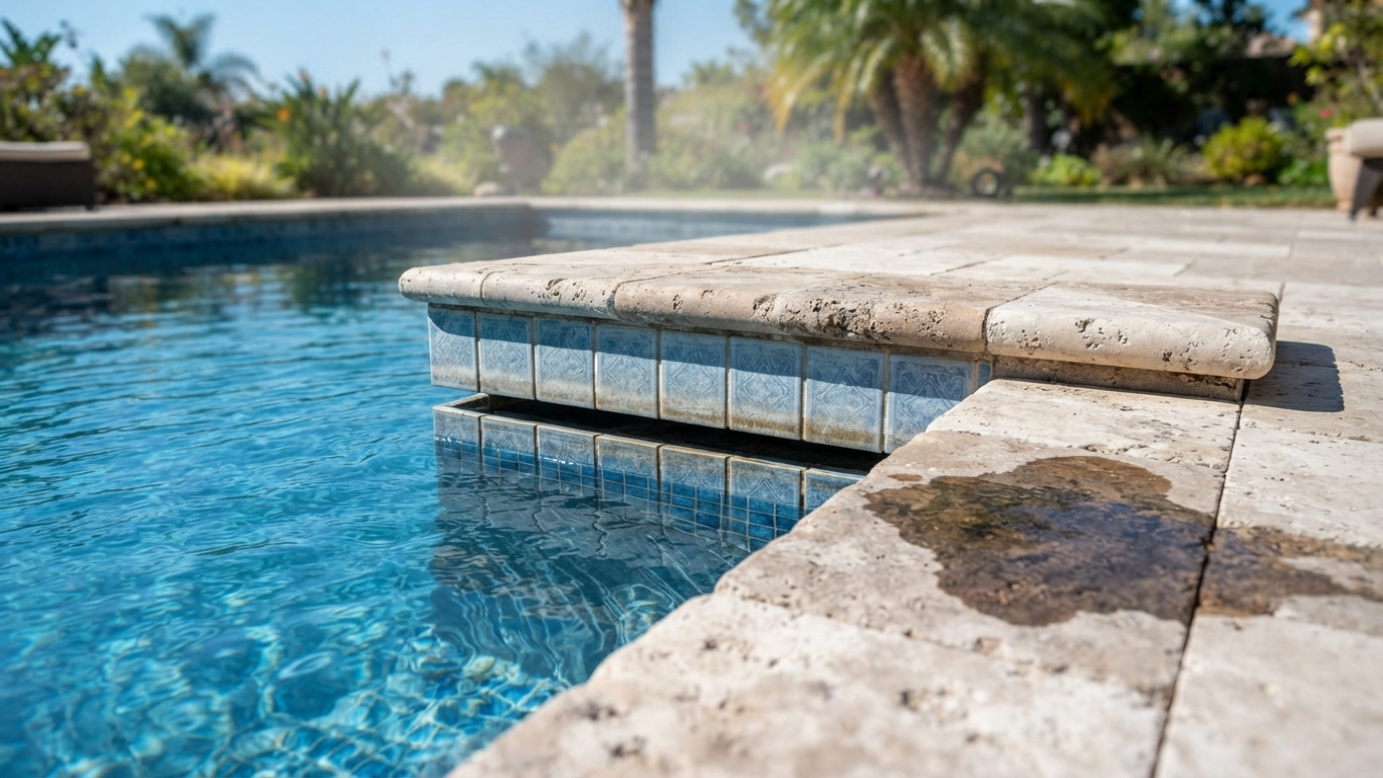
- Tile lines
- Pool and spa transitions
- Visible plumbing connections
- Cracks in the pool shell
- Areas around water features
A visible crack does not necessarily mean water is escaping through it.
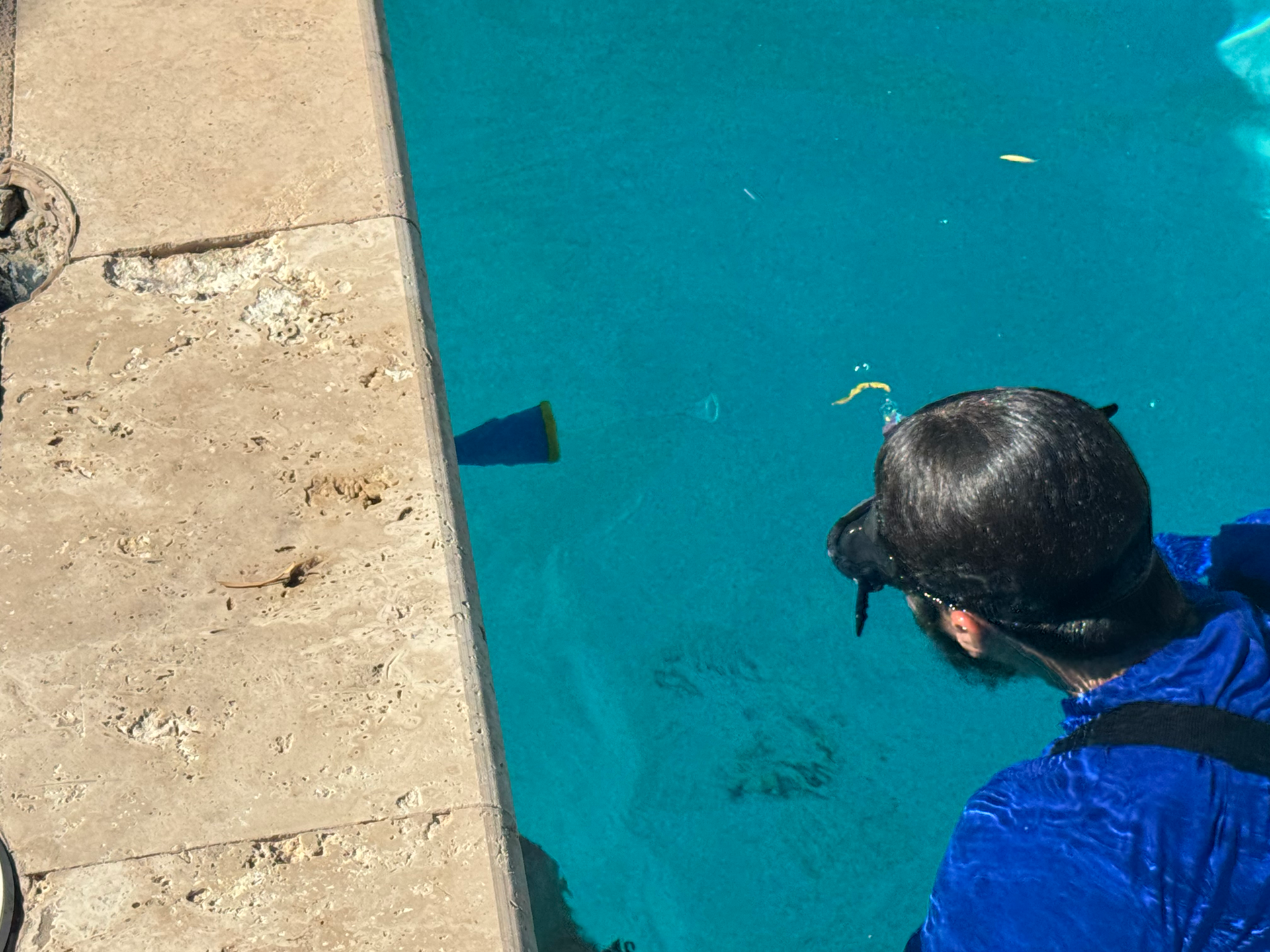
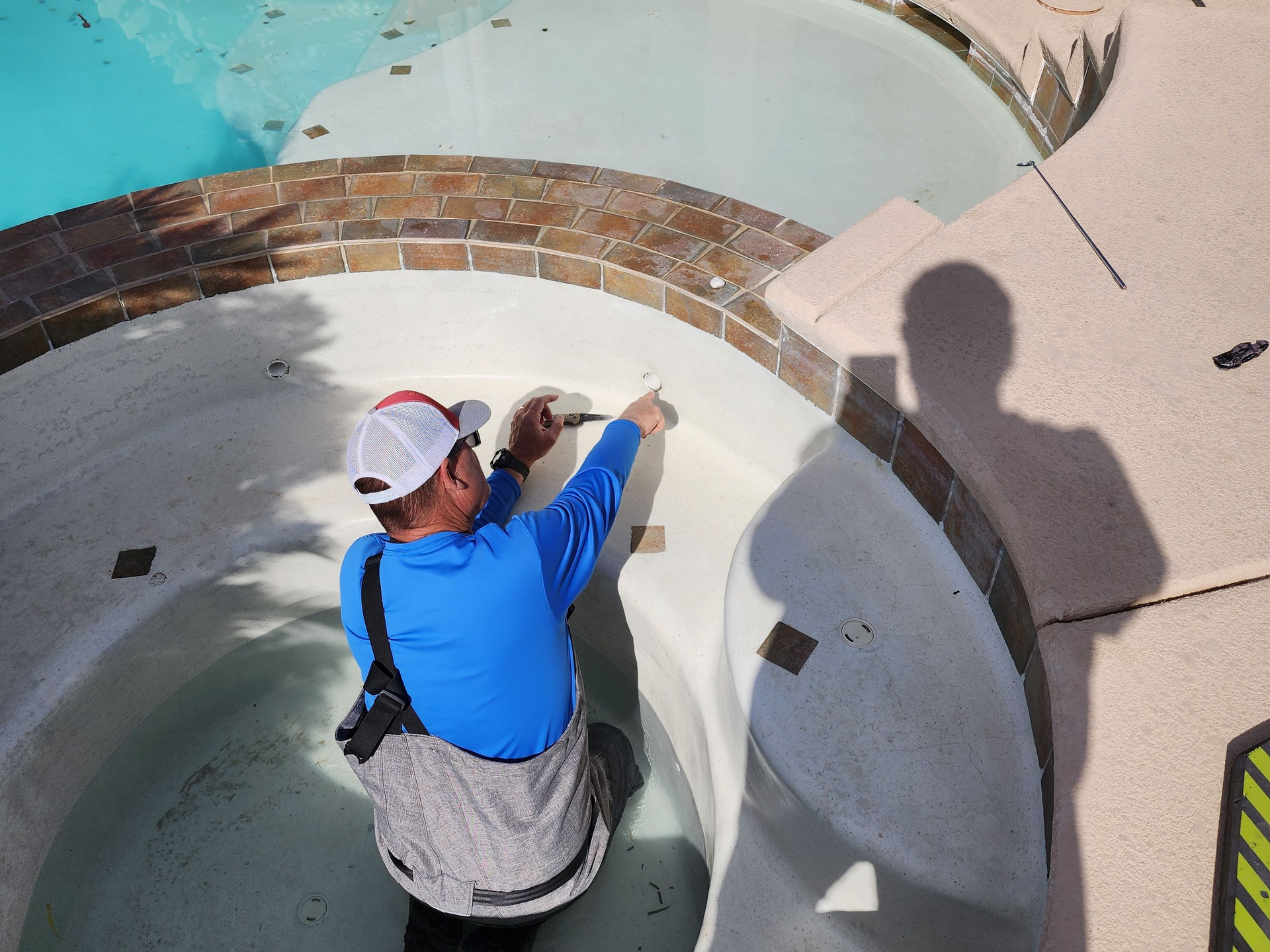
Professional dye testing can help determine whether water is actually moving through a suspected opening.
That is much more reliable than applying sealant to every visible crack and hoping the problem disappears.
Do Not Let Automatic Fill Systems Hide Water Loss
Automatic fill systems make pool ownership convenient because they maintain the water level without constant attention.
Unfortunately, they can also hide leaks.
A pool may appear completely normal even while the autofill runs frequently to replace escaping water.
Homeowners should periodically monitor water usage and verify that the autofill valve itself is functioning correctly.
An unexpectedly high water bill may be the first clue that the system is replacing more water than it should.
Maintain Seals, Fittings, and Plumbing Components
Pool components naturally wear with age.
O-rings, gaskets, seals, fittings, and valves can deteriorate over time because of heat, chemical exposure, pressure, and routine operation.
Regular equipment maintenance provides an opportunity to identify these aging components before they begin leaking significantly.
Addressing a worn seal is usually much simpler than dealing with water loss that has continued unnoticed for months.
Investigate Water Loss Instead of Guessing
When routine inspection does not reveal the problem, professional leak detection can help separate evaporation from actual leakage.
Different diagnostic methods serve different purposes.
Isolation testing can separate plumbing lines, water features, and pool or spa bodies to determine which part of the system may be losing water.
Dye testing can help pinpoint leaks at suspected structural locations.
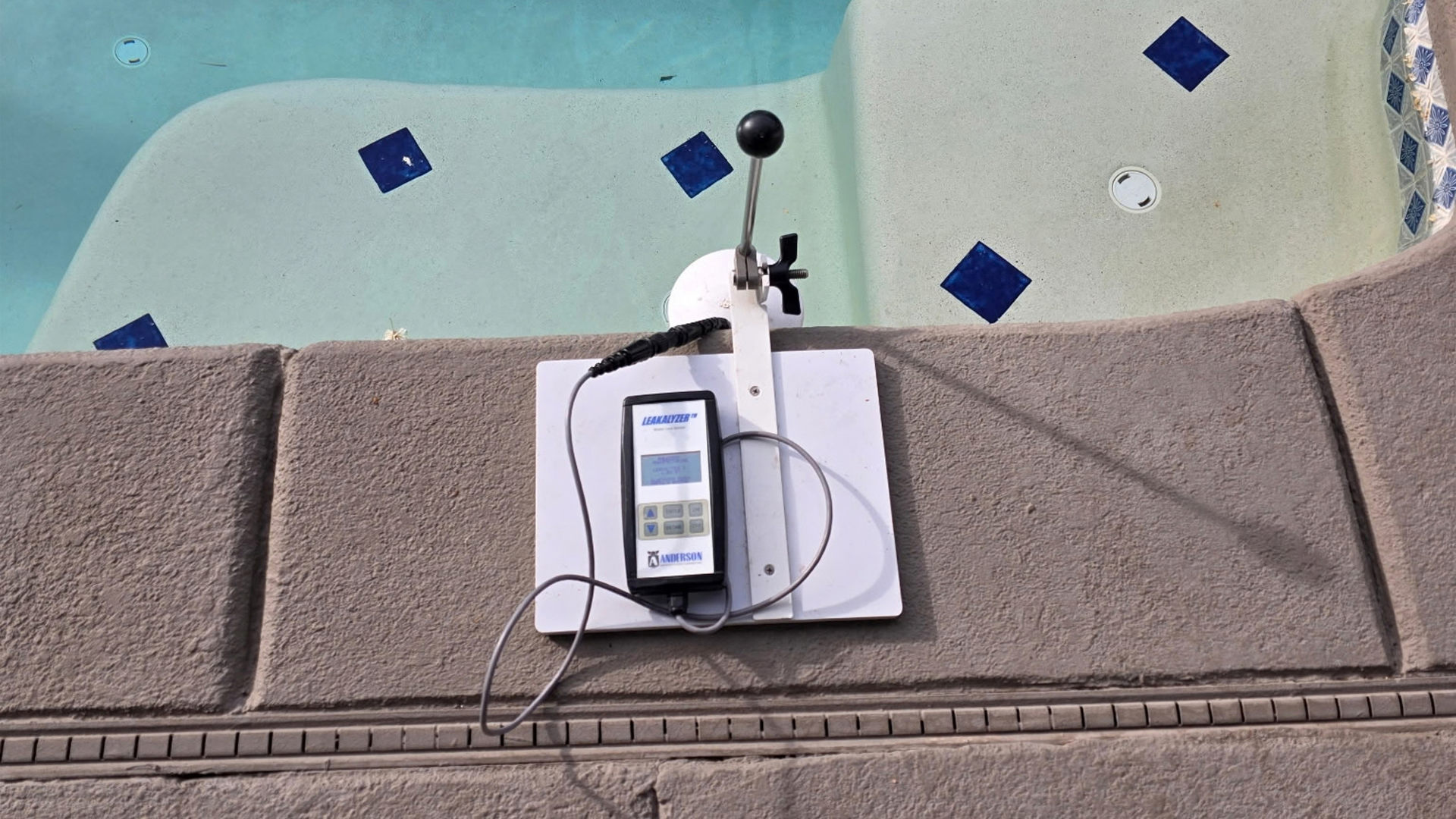
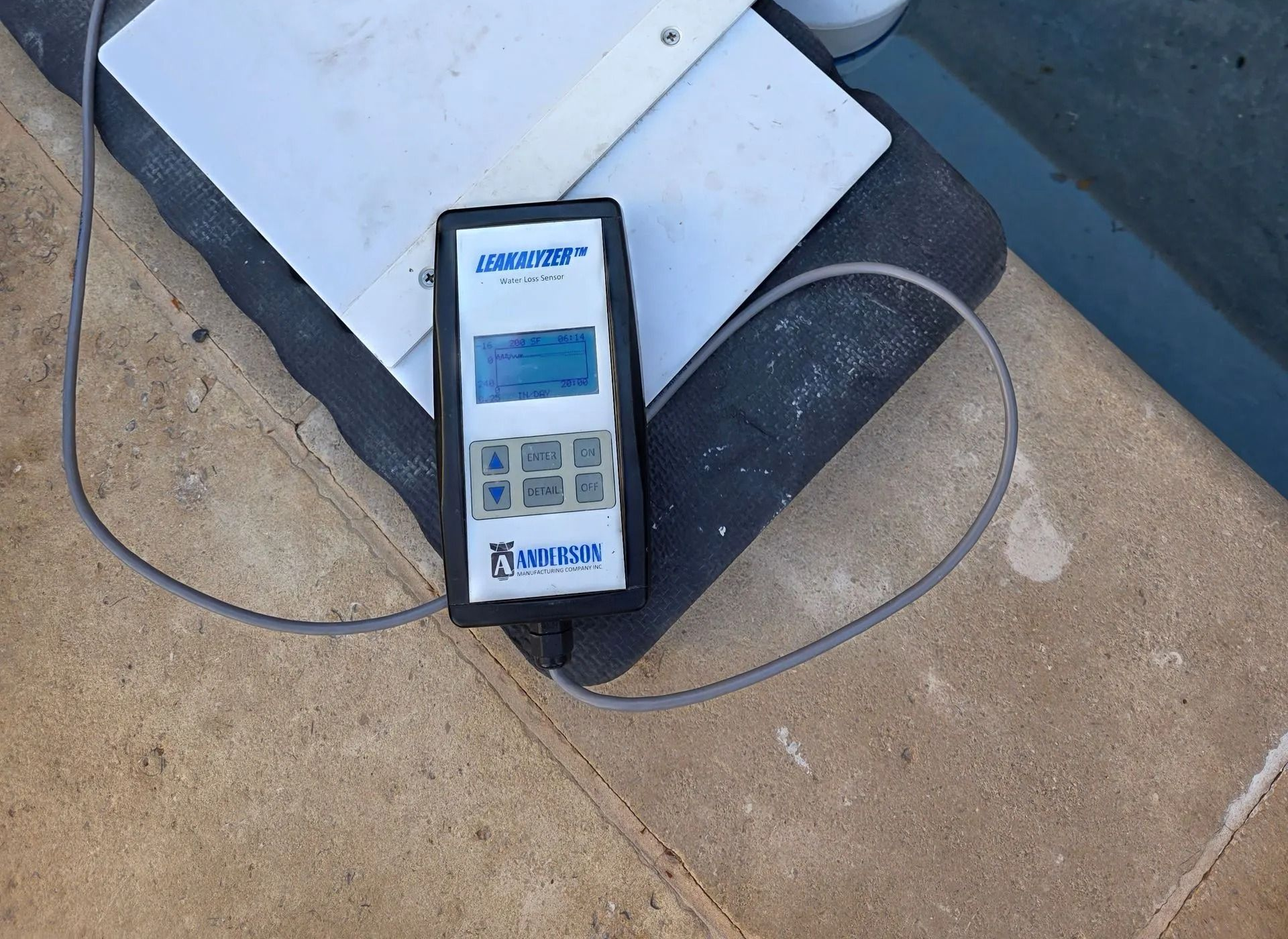
A Leakalyzer® Rapid Water Loss Sensor can measure the rate of water loss and help determine whether the pool is losing more water than expected.
Accurate testing helps avoid unnecessary repairs.
Protect the Pool Before Small Problems Grow
Routine maintenance cannot prevent every pool leak, but it can make problems much easier to catch early.
Pay attention to water levels, equipment performance, damp areas, plumbing connections, cracks, and unusual increases in water usage.
If your pool suddenly requires frequent refilling, your equipment is behaving differently, or you receive a high-water-use alert, contact Hound Dog Leak Protection.
Professional testing can help determine where the water is going and allow the underlying problem to be addressed before a small leak threatens a much larger investment.