Why Is My Pool Losing Water? Common Causes of Pool Water Loss Explained
There's nothing more frustrating than walking outside to find your pool water level lower than it was just a day or two ago. While it's normal for pools to lose some water through evaporation, excessive water loss is often a sign that something else is going on.
The challenge is knowing the difference between normal water loss and a leak that needs professional attention.
At Hound Dog Leak Detection, we help homeowners identify the source of pool water loss quickly and accurately. Here's what every pool owner should know about why pools lose water and when it's time to call a leak detection specialist.
How Much Water Loss Is Normal?
Before assuming your pool has a leak, it's important to understand that all pools naturally lose water.
Normal evaporation depends on several factors, including:
- Air temperature
- Water temperature
- Humidity
- Wind
- Sun exposure
Most pools lose approximately 1/4 to 1/2 inch of water per day under typical conditions. During hot, windy summer weather, evaporation may be slightly higher.
If your pool is consistently losing more than this, it's worth investigating further.
Common Causes of Pool Water Loss
1. Evaporation
Evaporation is the most common reason pool water levels drop.
Several conditions increase evaporation:
- High temperatures
- Low humidity
- Strong winds
- Heated pools
- Frequent pool use
While evaporation is unavoidable, it should happen gradually—not cause you to refill your pool every few days.
2. Plumbing Leaks
Many pool leaks occur in underground plumbing lines.
These leaks can develop due to:
- Aging pipes
- Ground movement
- Tree root intrusion
- Improper installation
- Freeze or shifting damage in colder climates
Because these pipes are buried underground, plumbing leaks often go unnoticed until water bills increase or the surrounding soil becomes saturated.
3. Cracks in the Pool Shell
Concrete and gunite pools can develop structural cracks over time.
These cracks may result from:
- Soil movement
- Settling
- Age
- Hydrostatic pressure
- Poor construction
Even small cracks can allow a surprising amount of water to escape.
4. Leaking Skimmers
The skimmer is one of the most common areas where leaks develop.
Over time, the seal between the skimmer and the pool wall can crack or separate, allowing water to seep behind the pool structure.
This type of leak often worsens if left untreated.
5. Damaged Pool Lights
Pool lights require waterproof niches and seals.
When these seals fail, water can leak around the fixture instead of staying inside the pool.
Professional dye testing can often confirm leaks around pool lights.
6. Worn-Out Fittings and Returns
Your pool contains several fittings where plumbing connects to the pool shell, including:
- Return jets
- Main drains
- Vacuum lines
- Water features
Over time, these fittings can loosen or develop small cracks that allow water to escape.
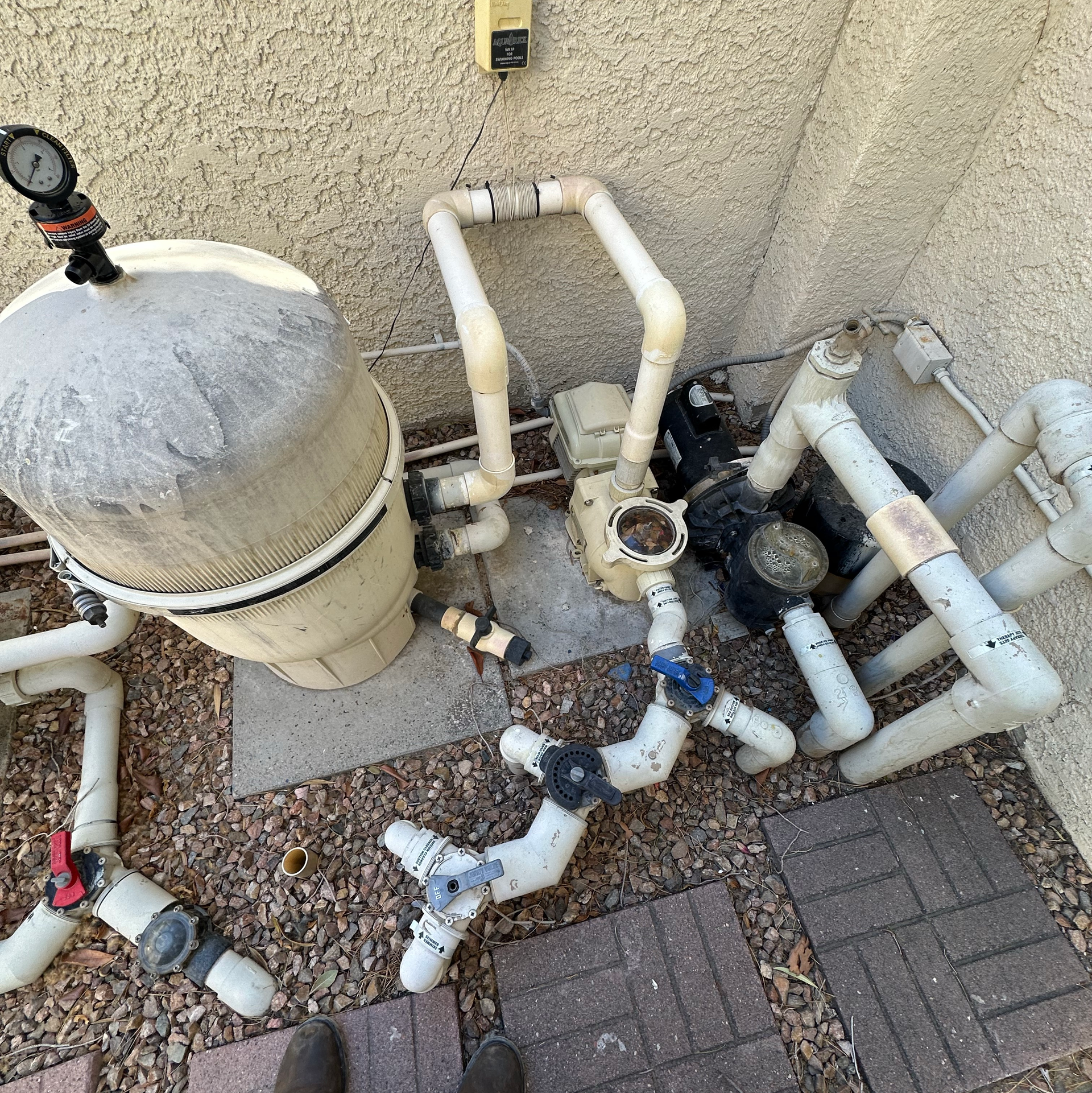
7. Equipment Pad Leaks
Sometimes the leak isn't in the pool itself.
Inspect your equipment area for:
- Dripping valves
- Cracked filter tanks
- Leaking pumps
- Faulty pipe connections
Small equipment leaks can waste significant amounts of water over time.
8. Splash-Out and Normal Use
Not every drop of missing water indicates a leak.
Water naturally leaves the pool through:
- Swimming
- Cannonballs and jumping
- Kids playing
- Backwashing filters
- Cleaning and maintenance
This type of water loss is temporary and generally predictable.
How Can You Tell If It's a Leak?
One of the easiest ways is by performing the bucket test.
Here's how:
- Fill a bucket about three-quarters full with pool water.
- Place it on a pool step so the water level inside matches the pool water level outside.
- Mark both water levels.
- Wait 24 hours without using the pool.
- Compare the water levels.
If the pool loses significantly more water than the bucket, a leak is likely present.
Signs Your Pool Is Losing Water Because of a Leak
Beyond a dropping water level, watch for these warning signs:
- Constantly adding water
- Higher-than-normal water bills
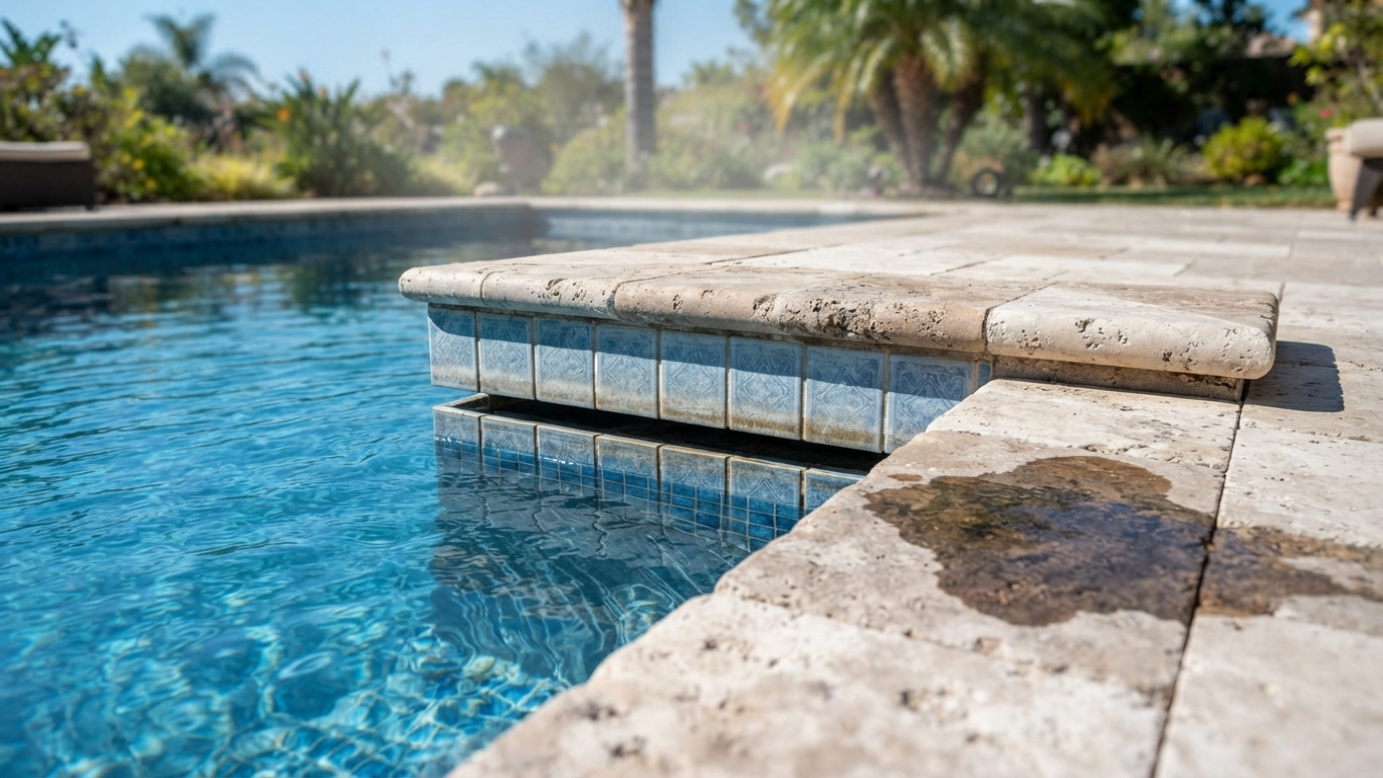
- Wet or soggy spots around the pool
- Cracks in the pool deck or shell
- Air bubbles coming from return jets
- Pump losing prime
- Difficulty maintaining water chemistry
- Persistent algae despite proper maintenance
These symptoms often indicate that water is escaping somewhere in the system.
Why You Shouldn't Ignore a Pool Leak
Even a small leak can become a costly problem over time.
Unchecked water loss may lead to:
- Higher utility bills
- Increased chemical costs
- Soil erosion beneath the pool
- Deck settling and cracks
- Foundation damage
- Equipment strain
- Expensive structural repairs
Addressing a leak early can save both time and money while helping protect your investment.
How Professional Leak Detection Works
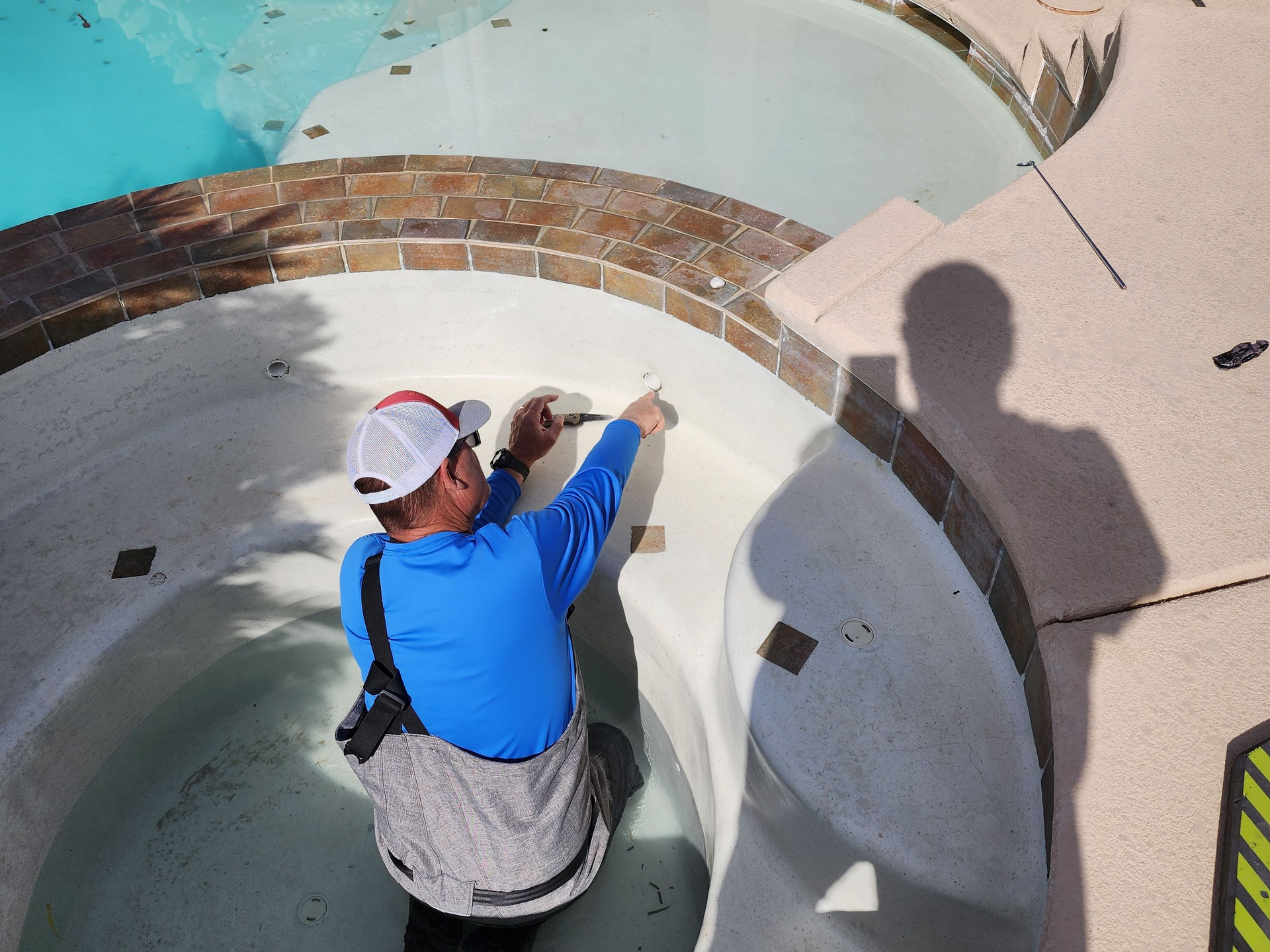
Finding the exact location of a pool leak isn't always straightforward. Many leaks occur underground or in areas that aren't visible during a routine inspection.
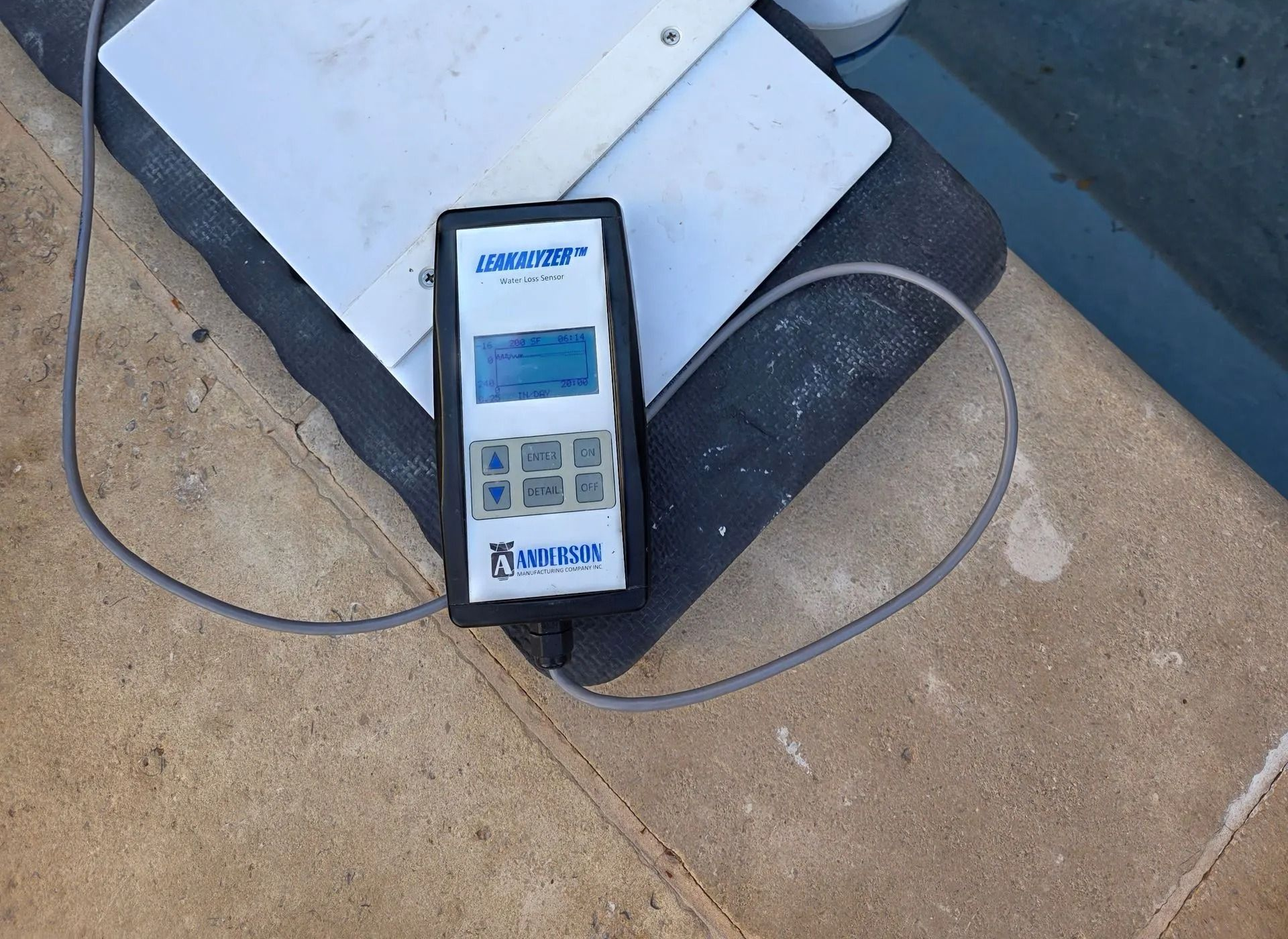
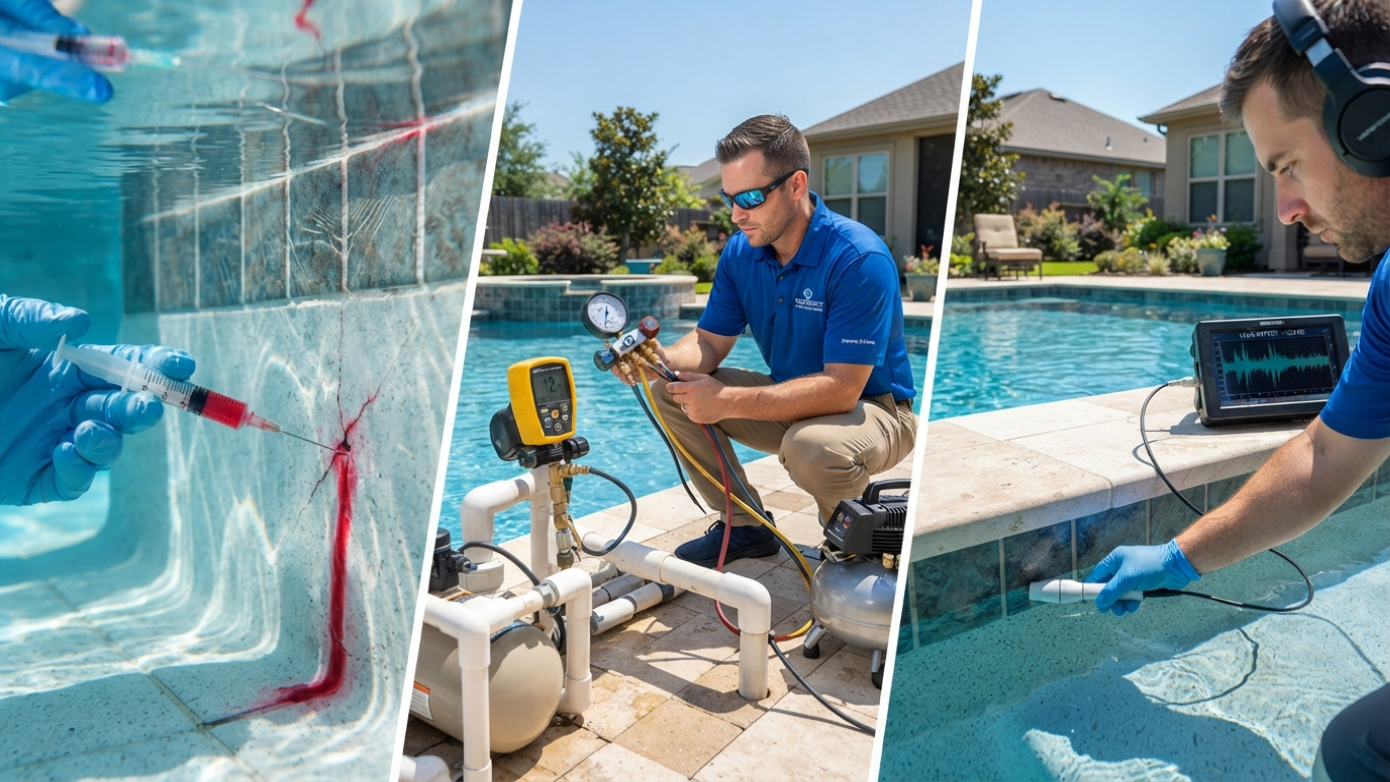
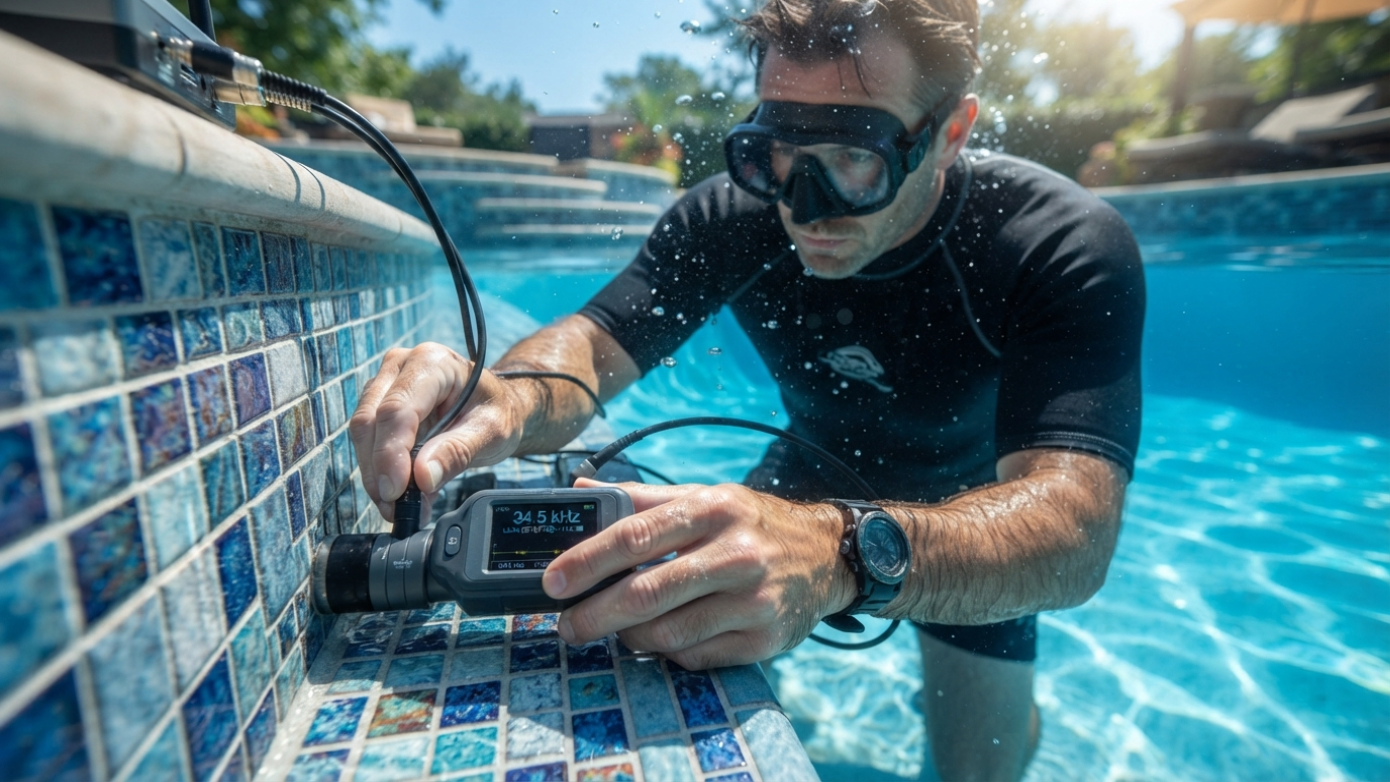
Professional leak detection technicians use specialized equipment such as:
- Electronic leak detection
- Pressure testing
- Acoustic listening devices
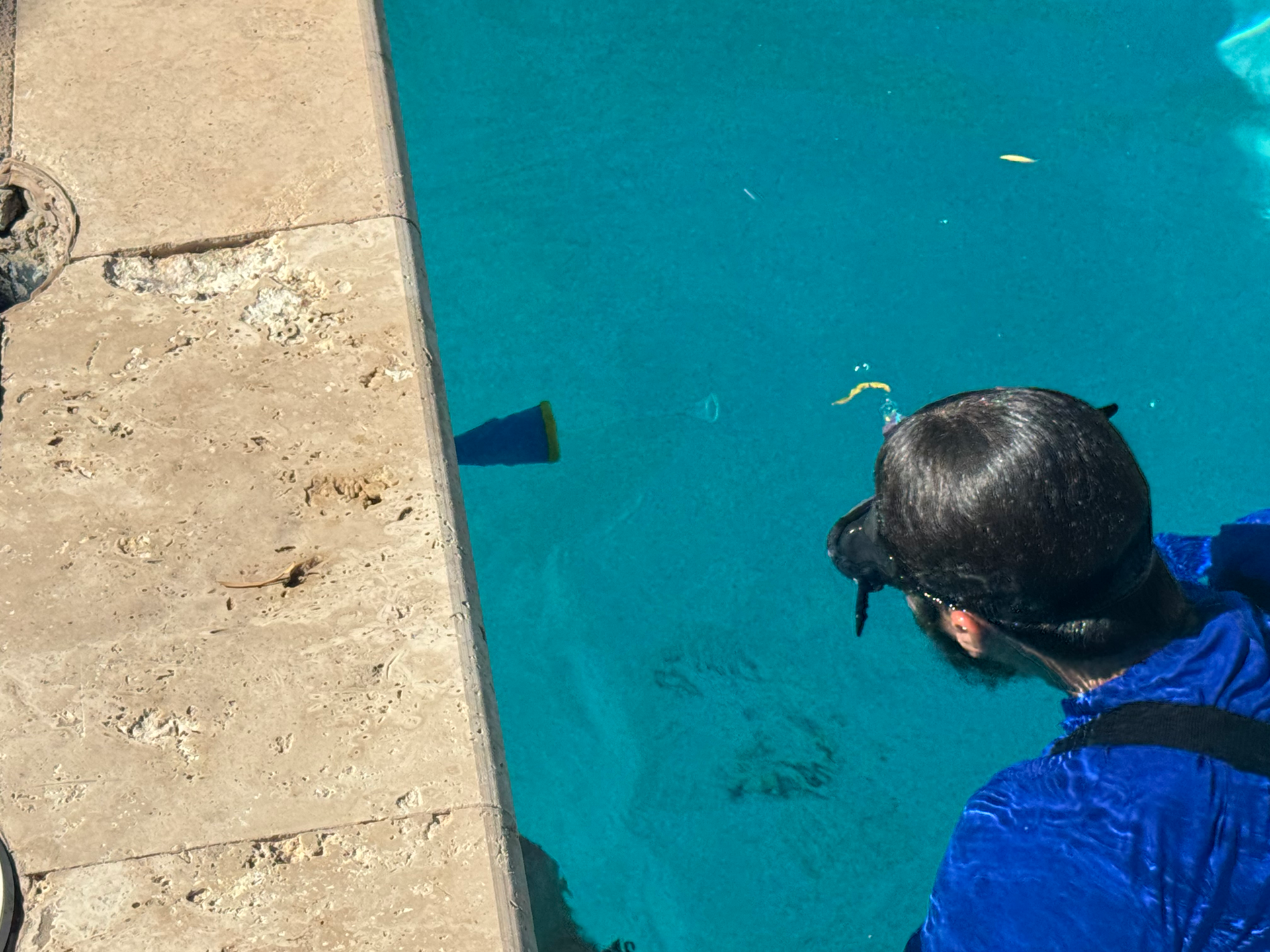
- Underwater dye testing
- Pipe inspection techniques
These advanced methods allow technicians to pinpoint leaks accurately while minimizing unnecessary digging or demolition.